Top Door Latch Handle Types for Your Home Improvement Projects?
When embarking on home improvement projects, selecting the right Door Latch Handle is crucial. This simple yet significant hardware can enhance both functionality and aesthetics in your space. Many homeowners may overlook the importance of this detail. However, the right latch handle can elevate the entire look of your doors.
The market offers various styles, from traditional to modern options. Each type serves distinct purposes and matches different design preferences. A well-chosen Door Latch Handle does more than secure a door; it complements the interior design too. Yet, not every choice is perfect for every door. Understanding your needs and the space is essential.
Reflecting on these aspects can lead to more informed selections. You might find yourself reconsidering your options as you explore different materials and designs. Ultimately, whether you prioritize security or style, the right Door Latch Handle can transform your home. The decision requires careful thought. It is not just about function; it’s about creating an inviting atmosphere.
Understanding the Importance of Door Latch Handles in Home Design
Door latch handles play a crucial role in home design and functionality. They are more than just a means to open or close doors. Latch handles enhance the security and aesthetics of your space. Choosing the right handle can elevate the overall look of a room. It can tie together colors and styles seamlessly. Yet, many overlook this detail in their improvement projects.
Functionality is another important aspect. A sturdy latch handle contributes to ease of use. A poorly designed handle can lead to frustration. It might get stuck or break easily. This often leads to additional costs in repairs or replacements. The right choice can save homeowners from future headaches. It's essential to select handles that match the door's material and use. For example, heavyweight doors require robust handles.
The emotional connection to your home starts with the details. Each component should reflect your taste. However, some homeowners may rush their decisions. This can result in choices that do not harmonize with the overall design. Reflecting on the importance of door latch handles can bring clarity. It helps to see these handles as integral elements, rather than mere accessories.
Common Types of Door Latch Handles and Their Uses in Home Projects
Choosing the right door latch handle can greatly impact your home improvement projects. There are several common types of door latch handles, each serving unique purposes.
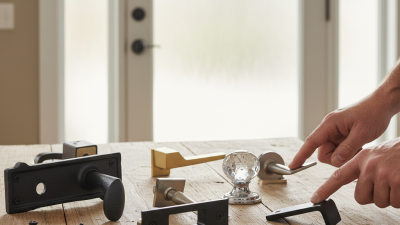
Lever handles, for instance, are popular due to their ease of use. They provide a comfortable grip, making them ideal for interior doors, especially in homes with children or elderly residents.
Another type is the knob handle. While they may seem simple, their design offers a classic look. Knob handles are versatile and can fit various styles of doors. However, they can be challenging for those with limited hand strength.
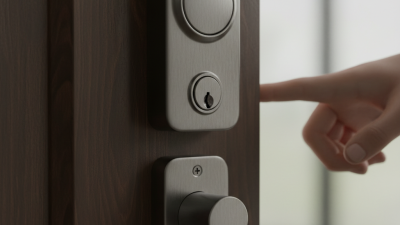
Another option is the deadbolt latch, which adds security. It's essential for exterior doors and provides peace of mind in residential areas.
It's crucial to consider functionality when selecting door latch handles. Sometimes, homeowners choose aesthetics over practicality, leading to frustrating experiences. A handle might look stylish but may not be comfortable for everyday use.
Balancing design and usability is essential. Exploring different types can reveal surprising advantages that enhance your home.
Materials Used in Door Latch Handles: Pros and Cons
When selecting a door latch handle, the material plays a crucial role. Common options include metal, plastic, and wood. Each has its pros and cons, which can impact both function and aesthetics. Metal handles, often made of stainless steel or brass, are known for their durability. They resist wear and tear well. However, they can be prone to rust in humid conditions if not properly coated.
Plastic handles provide an affordable alternative. They are lightweight and come in various colors. Yet, they may not withstand heavy use. Over time, plastic can become brittle and crack. Conversely, wooden handles offer a classic charm. They can be beautifully crafted and customized. However, wood requires regular maintenance to prevent warping or splitting.
Choosing the right latch handle material involves considering your specific needs. If you prioritize longevity, metal may be best. If you seek affordability and color variety, plastic could suit you. For those who appreciate nature’s beauty, wood remains a timeless choice. Reflect on the environment and usage patterns in your home before making a final decision. Each material has its quirks and Durability nuances worth examining closely.
Top Door Latch Handle Types for Your Home Improvement Projects
| Latch Handle Type |
Material |
Pros |
Cons |
| Lever Handle |
Stainless Steel |
Durable, Rust-resistant |
Can be expensive |
| Knob Handle |
Plastic |
Lightweight, Inexpensive |
Less durable, Aesthetic appeal may vary |
| Pull Handle |
Aluminum |
Lightweight, Corrosion-resistant |
May not suit all styles |
| Baldwin Handle |
Bronze |
Classic appearance, Strong |
Heavy, Higher price point |
| Smart Handle |
Zinc Alloy |
Tech-savvy, Keyless entry |
Requires batteries, Can be complex to install |
How to Choose the Right Door Latch Handle for Your Home Style
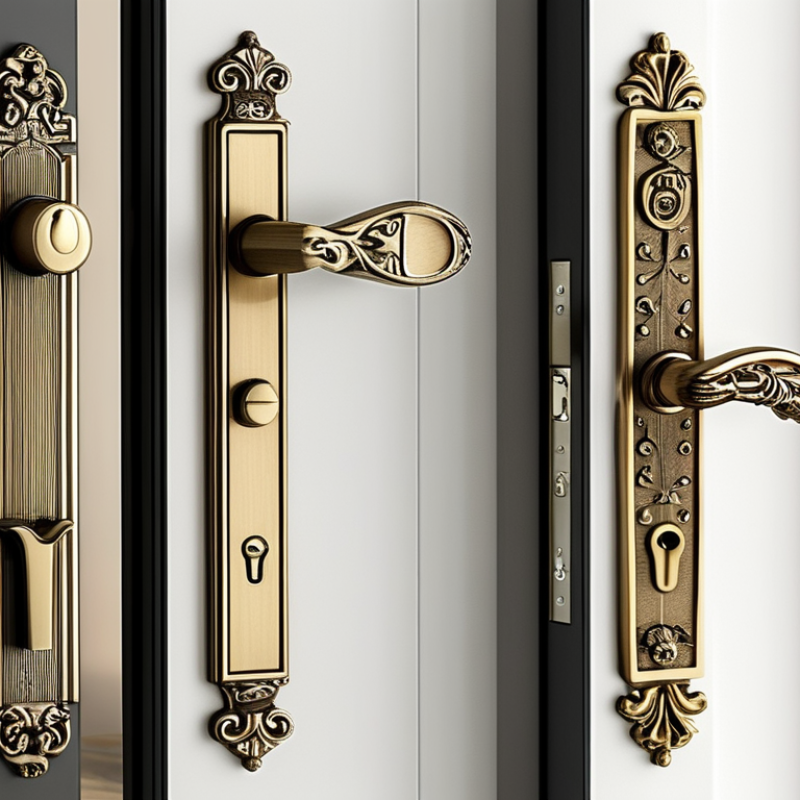
Choosing the right door latch handle is essential for enhancing your home's style. You need to consider several factors. The overall aesthetic of your home plays a big role. Traditional designs fit rustic homes, while sleek styles complement modern interiors.
Material is another key aspect. Brass and bronze offer classic charm. Stainless steel brings a contemporary feel. Think about durability and maintenance. A handle that looks great but is hard to care for can be frustrating.
Don't forget about size and comfort. A handle should fit well in your hand and be easy to operate. A beautiful latch that’s awkward to use is less appealing. Take the time to explore various options. Ask for advice if you're unsure. Visiting stores can help you see how different handles look and feel. It's all about making the right choice for your personal space.
Top Door Latch Handle Types for Your Home Improvement Projects
Installation Tips for Door Latch Handles: A Step-by-Step Guide
Installing door latch handles can be a rewarding DIY project. Knowing the right steps ensures a smooth installation. Start by gathering your tools: a screwdriver, a measuring tape, and the latch handle kit. Ensure the door is secure before removing the old handle. If the door is old, you might deal with rusted screws or misaligned holes. Take your time; rushing can lead to mistakes.
Before installation, check the door thickness. This ensures the latch fits securely. Align the handle properly and mark the drill points. When drilling, start slowly to avoid splintering the wood. During assembly, follow the manufacturer's instructions closely. Occasionally, you may find the handle does not fit perfectly. Adjust as needed to ensure smooth operation.
Once installed, test the handle several times. Sometimes, the latch mechanism may feel tight or lose its alignment. Do not hesitate to tweak the screws or reposition the handle for a better fit. Remember, perfection isn't the goal; learning and improving your skills is what truly matters. With each project, you'll gain more confidence!

 Rod lock