2026 Top Handle Lock Types for Enhanced Security Solutions?
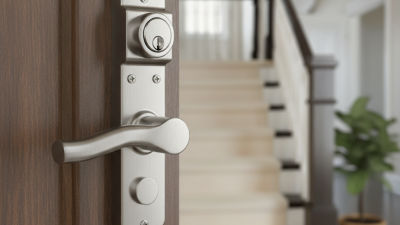
In an age where security is paramount, selecting the right handle lock is crucial. The right handle lock significantly enhances a property's defense against potential intruders. Various styles and technologies exist, each offering unique benefits and drawbacks. Understanding these can help you make an informed decision.
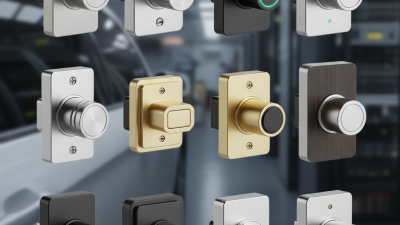
The 2026 landscape presents a range of handle lock types that prioritize safety and convenience. Many offer advanced features, but not all are equal. Some may lack durability or be too complex for everyday use. It's essential to balance innovation with practicality to ensure effectiveness.
Consumer awareness remains vital when choosing handle locks. Many people overlook the importance of reliable security solutions. Investing in expert-reviewed handle locks can lead to long-term protection. While some options may seem attractive, they may not provide the expected reliability. It's always wise to reflect on what works best for your specific needs.
Overview of Top Handle Lock Types for 2026 Security Solutions
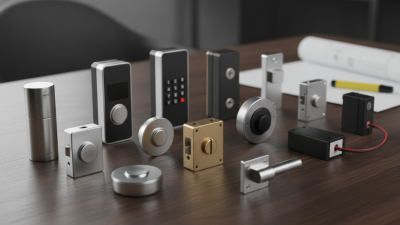
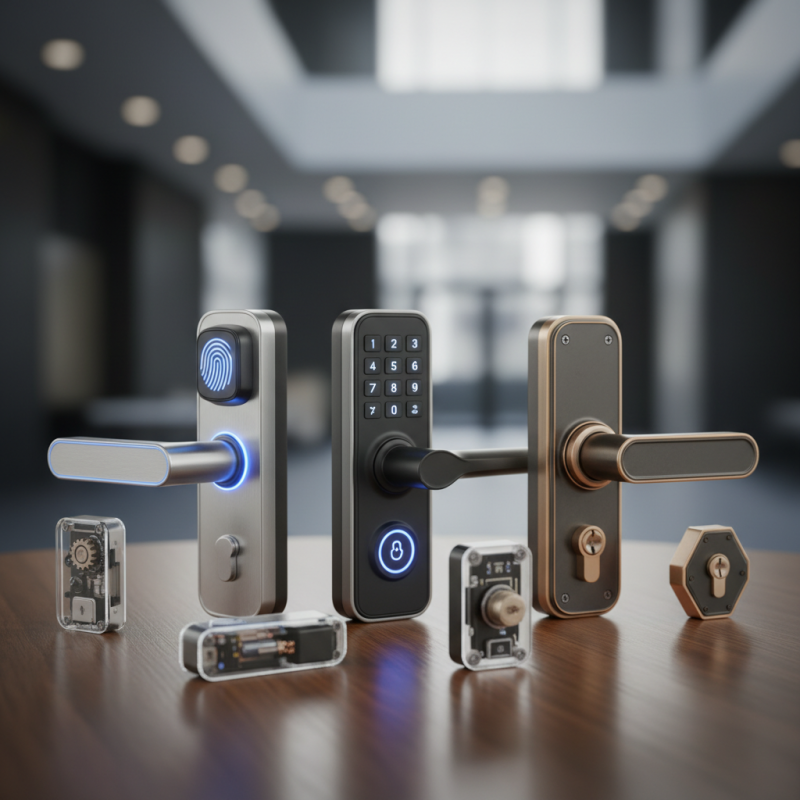
As we look towards 2026, the landscape of handle locks evolves to enhance security. Understanding the various types of handle locks is crucial for effective risk management.
Lever locks, for instance, provide increased resistance to picking. They are often favored in residential settings due to their balance of security and cost.
Deadbolt locks are another option, offering robust protection against forced entry. These locks engage deeply into the door frame, making them hard to breach. However, they can be challenging to install and may require professional assistance.
Digital handle locks also gain popularity, with features like biometric access. They offer convenience but can face technical issues over time.
Not all handle locks are created equal. Each type has its benefits and drawbacks. It’s essential to consider the specific security needs of a space. Regular maintenance is vital for all lock types to ensure long-term reliability. Evaluating the effectiveness of a lock should involve real-world conditions. This helps identify vulnerabilities that may not be obvious at first glance.
Security is an ongoing journey, not a one-time solution.
Comparative Analysis of Popular Lock Types for Enhanced Security
When it comes to securing homes and businesses, selecting the right lock type is paramount. A recent study from the Security Industry Association highlights that 60% of burglaries involve forced entry, often through weak locks. As such, exploring top handle lock types can lead to improved security solutions.
Comparing popular lock types, deadbolts remain a top choice. They offer high resistance to physical attacks. According to a 2022 report by the Bureau of Justice Statistics, homes with deadbolts are 85% less likely to be targeted than those with basic locks. However, they are not foolproof. Some advanced burglars can still create vulnerabilities.
Tip: Always ensure that the bolt engages fully.
Smart locks are another rising trend. They provide convenience but may face cybersecurity risks. Survey data indicates that 43% of users are concerned about hacking. Yet, with robust encryption, many smart locks can mitigate these concerns effectively.
Tip: Regularly update the firmware of your smart lock.
Ultimately, the choice of handle lock type should depend on specific needs and vulnerabilities. The best approach is to assess your security landscape and remain informed about evolving solutions.
2026 Top Handle Lock Types for Enhanced Security Solutions
| Lock Type |
Material |
Security Rating |
Resistance Features |
Price Range |
| Deadbolt Lock |
Steel |
High |
Pick resistance, drill resistance |
$50 - $150 |
| Smart Lock |
Zinc Alloy |
Very High |
Keyless entry, alert notifications |
$100 - $300 |
| Mortise Lock |
Brass |
High |
Weather resistance, bump-proof |
$80 - $200 |
| Padlock |
Stainless Steel |
Medium |
Corrosion resistance, cut resistance |
$15 - $50 |
| Electronic Lock |
Plastic/Metal |
Very High |
Fingerprint recognition, remote access |
$120 - $350 |
Installation and Maintenance Tips for Top Handle Locks
When considering top handle locks, proper installation and maintenance are crucial for ensuring long-lasting security. Start by selecting the right location for the lock. It should be easily accessible but not in plain sight. During installation, ensure that the lock is level and securely fastened. Use a drill bit that matches the size of the screws. Don't rush this process; a poorly installed lock can compromise security.
Regular maintenance is equally important. Inspect the lock every few months. Check for signs of wear or rust. If the lock feels stiff, apply a lubricant designed for locks. Over time, dirt and debris can accumulate. Cleaning the lock with a soft cloth helps prevent jammed mechanisms.
Reflect on the performance of your lock. It might need adjustments as door frames shift or weather conditions change. Addressing these small issues can prevent bigger problems later. Remember, even the best locks require some level of upkeep to maintain their effectiveness.
Future Trends in Handle Lock Technology for Improved Security
The future of handle lock technology is evolving rapidly, driven by a growing demand for enhanced security solutions. Reports suggest that by 2026, smart lock systems may dominate the market, accounting for over 45% of total lock sales. These locks integrate advanced features like biometric access and remote monitoring, providing a robust layer of protection. Traditional locks often fall short in terms of security, necessitating this shift towards technology.
As we look to the future, the emphasis on user-friendly locking systems cannot be overstated. Simplistic design combined with complex security features can deter unauthorized access more effectively. Users should also consider the possibility of vulnerabilities in smart systems, such as hacking risks. It's crucial to remain vigilant about regular updates and security patches on electronic locks.
Tip: Always choose locks from reputable manufacturers that offer transparent data on security features.
Another trend includes the integration of AI technology in handle locks. Enhanced algorithms can learn user behavior patterns, optimizing security measures accordingly. However, this raises concerns about privacy. Users need to weigh the convenience of smart features against potential data breaches. Regular assessments of lock performance are essential to maintain safety.
Tip: Schedule periodic checks on both traditional and smart locks to ensure they are functioning correctly.

 Rod lock