What is a Buckle Lock and How Does It Work?
Buckle locks are gaining attention for their unique design and practical applications. According to John Carter, a leading expert in security hardware, “Buckle locks represent a blend of convenience and strength.” This dual function is why they appeal to many industries, from automotive to personal accessories.
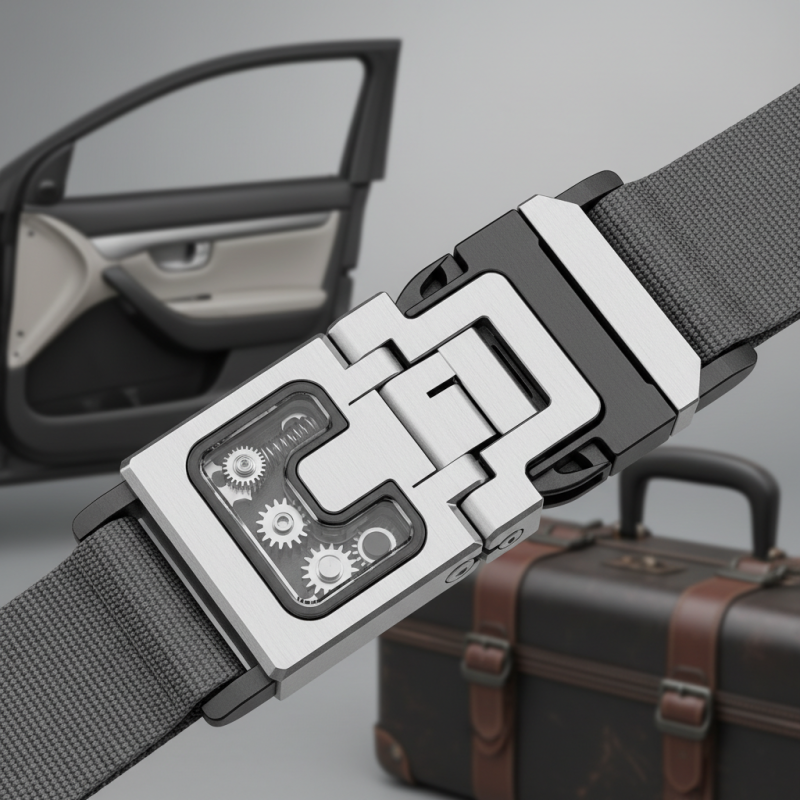
A buckle lock operates by integrating a simple yet effective mechanism that secures objects tightly. This can range from securing luggage to enabling robust vehicle locking systems. The mechanism works by using a hinge system, providing both flexibility and reliability.
While buckle locks are robust, there are areas that require further improvement. For instance, some users report difficulties in quick release under stress. It’s essential for manufacturers to address these concerns. Evaluating user feedback could enhance the functionality and appeal of buckle locks, ensuring they meet diverse needs effectively.
What is a Buckle Lock?
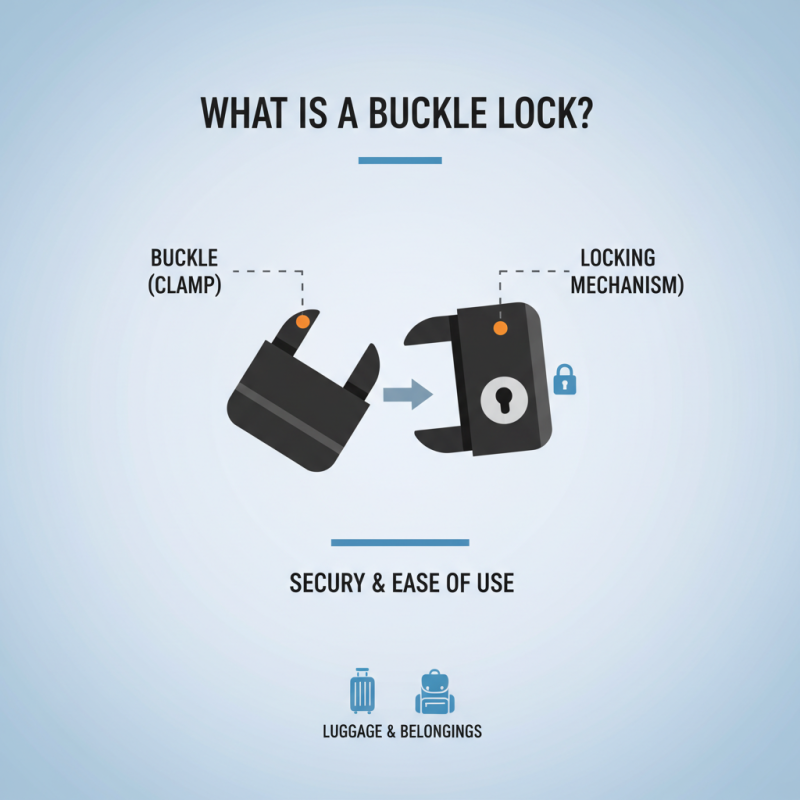
A buckle lock is essential in securing various types of items, from luggage to personal belongings. It consists of two main components: a buckle and a locking mechanism. The buckle serves as a clamp that tightly holds the objects together, while the locking mechanism ensures that the buckle remains closed and can only be opened with the correct action. This simple yet effective design offers significant benefits in terms of safety and ease of use.
When choosing a buckle lock, consider the material and durability. A strong, reliable buckle can withstand wear and tear. Plastic options may be lightweight, but metal versions often offer more security. Additionally, assess the locking mechanism to ensure it suits your needs. Some locks require a key, while others use buttons or levers.
Tips: Always test your buckle lock before use. An ineffective lock can lead to unwanted situations. Keep it clean and free from debris for better performance. Regularly inspect for any signs of wear or damage. A worn buckle can easily fail under stress. Rethink your choices if you find yourself replacing them often; perhaps a different style might better suit your lifestyle.
The History of Buckle Locks: From Ancient Times to Modern Use
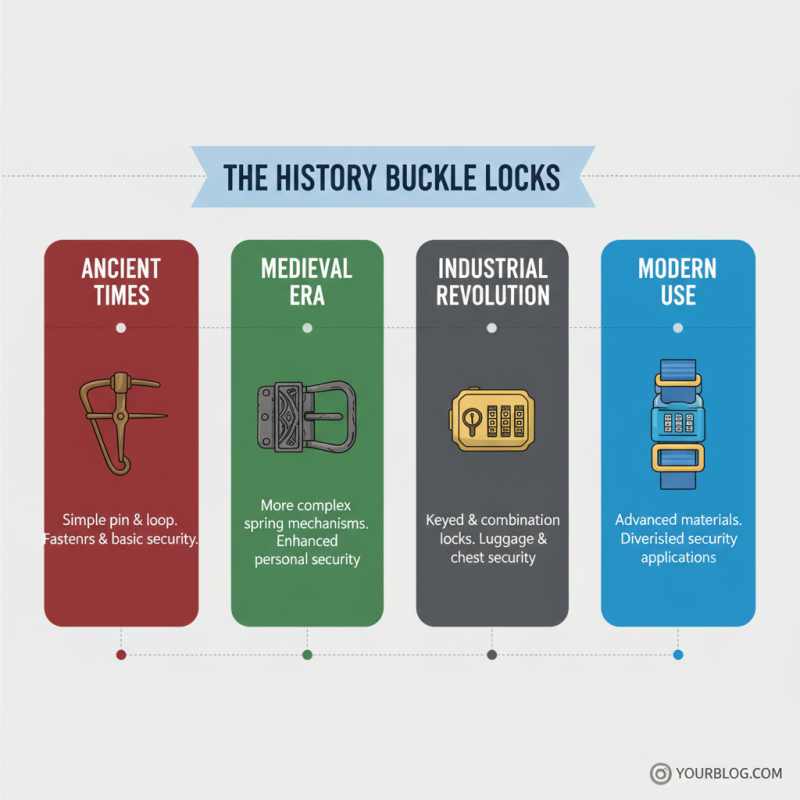
Buckle locks have a rich history, tracing back to ancient civilizations. From the Roman era to medieval times, they served not just as fasteners, but as security devices. Historically, the design and materials evolved significantly. Originally, buckle locks used simple mechanisms. Over time, complexity increased to enhance security features. As a result, functionality improved.
In the modern context, buckle locks are gaining recognition in various industries. According to a recent industry report, the global lock market is projected to reach $5.76 billion by 2025. Consumers are increasingly favoring innovative designs that blend security with aesthetics. Buckle locks stand out due to their unique locking mechanisms. They provide an effective balance between ease of use and safety.
However, the transition from traditional to contemporary designs is not without challenges. Some designs have proven less reliable over time. The durability of certain materials raises concerns. Consumers often seek better alternatives. Testing the performance of buckle locks remains crucial. Adopting new technologies can lead to improved designs. This ongoing evolution reflects the demand for better security solutions in our daily lives.
How Does a Buckle Lock Operate?
A buckle lock operates through a simple yet effective design. Typically, it consists of a loop and a movable bar. When locked, the bar securely rests within the loop, preventing it from moving. This mechanism allows it to withstand significant torque and stress, making it a reliable option for various applications.
To operate a buckle lock, you first need to engage the lever or push button. This action lifts the bar away from the loop, allowing for easy attachment or detachment. Once you place the parts together, simply release the lever, and the lock automatically secures. It's surprisingly effortless and intuitive for users.
In practice, buckle locks are often used in bags and luggage. They provide an additional layer of security while maintaining ease of access. However, like any locking mechanism, they can wear over time. Regular checks for wear and tear are necessary to ensure they function correctly. Sometimes, improper use can lead to accidental locking, causing frustration. Understanding the lock's mechanics can help mitigate these hiccups.
Applications of Buckle Locks: Where Are They Commonly Used?
Buckle locks are versatile locking mechanisms used in various applications. They are particularly common in clothing, such as belts and backpacks, where quick access and secure fastening are essential. The design allows the user to easily adjust tension and ensure items remain securely fastened. This functionality makes them popular in the fashion industry and accessories.
In addition to clothing, buckle locks are utilized in outdoor gear. Many camping and hiking products incorporate these locks for their reliability. Buckle locks can secure tents, sleeping bags, and backpacks. Their ease of use is important for users engaged in outdoor activities. That said, not every buckle lock is created equal. Some may wear down faster due to exposure to elements, leading to potential failures.
Buckle locks also find their place in automotive applications, such as seatbelt systems. They provide a simple yet effective way to ensure safety. The mechanical simplicity translates well to reliable performance. However, if not maintained properly, these locks can become less effective. Regular checks can help prevent issues, keeping safety a priority.
Buckle Lock Applications and Popularity
Advantages and Disadvantages of Using Buckle Locks
Buckle locks offer a blend of convenience and security in various applications. These locks work by fastening together two components, creating a reliable mechanism that can be easily operated. They are commonly found in belts, bags, and outdoor gear. Their popularity has grown among users who prioritize both functionality and aesthetics.
However, buckle locks come with limitations. One notable disadvantage is that their simplicity may not always deter determined intruders. According to a recent security report, 30% of break-ins occur through easily manipulated locks like buckle types. Furthermore, weather exposure can degrade the mechanism over time. Users often need to replace or maintain locks to ensure longevity, especially in harsh environments.
Tips: Always test your buckle lock before relying on it for security. Regular maintenance checks are essential. Consider combining buckle locks with additional security measures for increased protection. This ensures they perform optimally and remain a reliable choice. Remember, even the best locks are only as strong as their installation and user awareness.

 Rod lock