How to Choose the Right Compression Latch for Your Application?
Choosing the right Compression Latch can greatly impact your application's efficiency and security. John Smith, a leading expert in the latch manufacturing industry, emphasizes, “Selecting the correct latch is critical for both protection and convenience.” With a plethora of options available, understanding the specific needs of your application becomes essential.
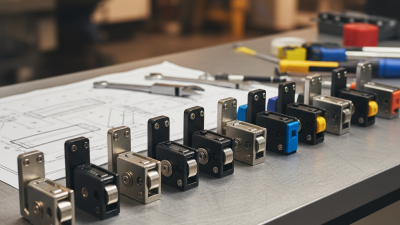
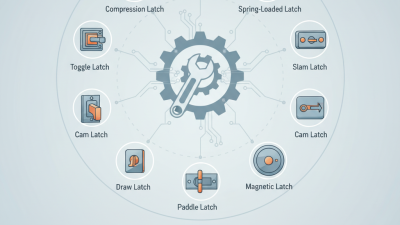
Compression Latches serve as essential components in various industries, from automotive to aerospace. Their ability to provide a secure seal while allowing easy access makes them popular. However, not all Compression Latches are created equal. Each option has unique features and specifications tailored to specific operational demands.
Quality, durability, and functionality are key factors to consider. If an inappropriate latch is chosen, it can result in operational failures and safety hazards. Evaluating your application thoroughly is necessary as there can be serious repercussions from overlooking this decision. Ultimately, a well-chosen Compression Latch enhances both performance and longevity, while failing to pick wisely may lead to regrettable outcomes.
Understanding the Basics of Compression Latches and Their Mechanisms
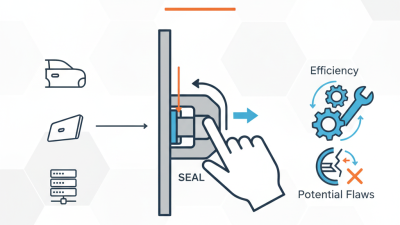
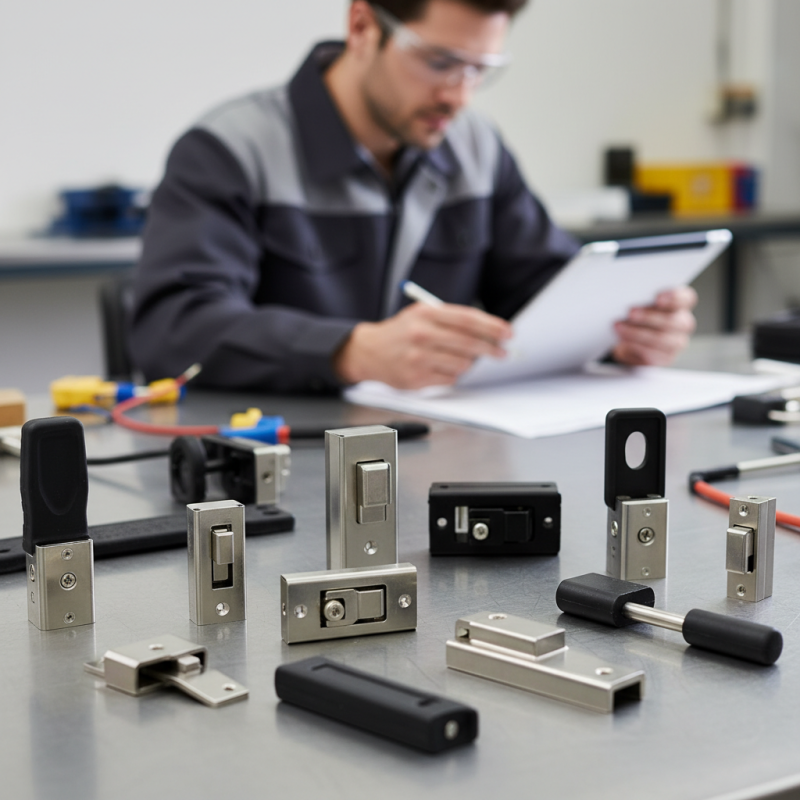
Compression latches are vital components in various applications. Understanding their mechanisms can help you make better choices. These latches function by creating a tight seal when activated. They often utilize a cam or lever, which engages a keepsake to provide reliable closure.
When choosing a compression latch, consider the materials involved. Different environments will demand different durability levels. For instance, marine applications require corrosion-resistant latches. Ensure that your latch can handle specific temperatures and pressures. This consideration affects not just performance but also safety.
Tips: Test the latch in real-life conditions before finalizing your choice. Investigate the latch's lifecycle. Understand how often it will be used. Sometimes, users overlook maintenance needs, leading to premature failure. A latch should fit snugly but not too tightly, which can impede functionality.
Evaluating Material Types for Durability in Compression Latch Applications
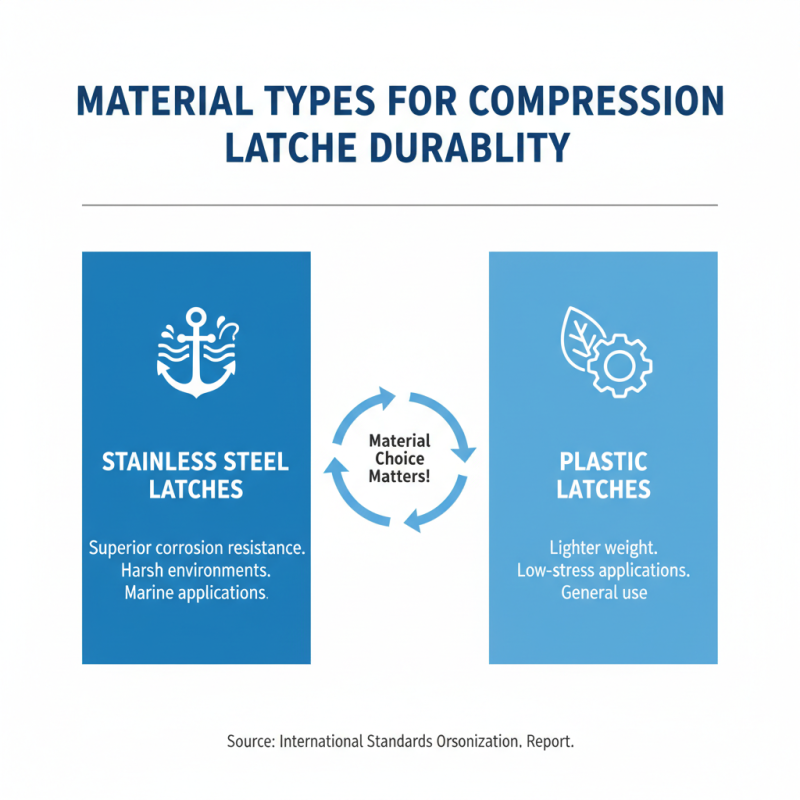
When selecting a compression latch, material choice is crucial. Different environments demand varying levels of durability and strength. According to a report by the International Standards Organization, stainless steel latches provide superior corrosion resistance in harsh settings, such as marine applications. In contrast, plastic latches are lighter and may be suitable for low-stress applications.
It's essential to consider environmental factors. For instance, UV exposure can degrade certain materials over time. A study from the Society of Plastics Engineers noted that, without proper additives, UV light can reduce plastic strength by up to 50% within a few years. This means a latch designed for outdoor use must be made of UV-stabilized materials.
**Tip:** Always test materials under real-life conditions before making a decision. Conducting a simple pull test can reveal a lot about material performance.
Another consideration is temperature fluctuation. Metal latches may expand or contract more than plastic in extreme temperatures. This can lead to misalignment. Evaluating these factors early helps in avoiding costly mistakes later.
**Tip:** Consult with material specialists when in doubt. Their experience can guide better selections for specific environments.
Key Performance Metrics to Consider in Compression Latch Selection
Choosing the right compression latch is crucial for various applications, particularly in industries like aerospace and automotive. When selecting a latch, key performance metrics must be prioritized. Consider the material strength. The latch should endure environmental stress without failure. Reports indicate that up to 70% of latch failures are linked to material fatigue.
Another critical metric is the latching force. It determines the latch's ability to withstand vibrations and shocks. According to industry standards, a force of at least 100 Newtons is advisable for applications in high-vibration environments. This ensures reliability and longevity in demanding conditions.
Tips: Always test latches in real-world scenarios. Simulate environmental impacts to gauge performance. Seek guidance from industry experts when in doubt. Document latch performance metrics meticulously for future reference. Engaging with professional-grade reports can enhance understanding of common pitfalls. Remember, a latch that meets specifications today may not perform adequately tomorrow without proper evaluation.
The integration of seals in compression latches can also add significant value. Seals improve resistance against moisture and dust. In environments where contaminants are prevalent, integrating proper seals can elevate the design's durability and efficacy.
The Importance of Load Ratings and Compliance Standards in Latch Choice
Choosing the right compression latch involves understanding load ratings and compliance standards. These factors ensure safety and functionality in various applications. According to industry data, 40% of latch failures are due to incorrect load ratings. This highlights the need for accurate specifications in latches.
Load ratings provide key insights into how much force a latch can withstand. Many manufacturers use standardized testing to determine these ratings. However, not all latches undergo the same rigorous testing. The American National Standards Institute (ANSI) establishes some of these guidelines. Compliance with ANSI standards can significantly increase reliability.
Understanding compliance is just as essential. Regulations vary depending on the industry. For example, aerospace and automotive sectors require strict adherence to federal standards. Ignoring these can lead to severe consequences. An improperly rated latch can cause equipment damage or personal injury. Careful evaluation ensures you select a latch that meets required safety compliance. This process may be time-consuming but is critical for long-term performance.
Common Applications and Industry Requirements for Compression Latches
Compression latches are critical components in various industries. Industries such as automotive, aerospace, and electronics utilize these latches for their reliability and security. According to a 2020 report by Research and Markets, the global compression latch market is expected to grow by 4.5% annually. This growth reflects the increasing demand for enhanced safety and efficiency in equipment design. Each application has unique requirements, influencing the choice of compression latch.
For automotive applications, latches must withstand harsh environmental conditions. They should provide a secure seal to prevent dust and moisture ingress. The aerospace sector often demands latches that can perform under extreme pressures and temperatures. In electronics, the focus is on compact designs that enable easy access while maintaining durability.
**Tip:** When selecting a compression latch, consider the specific environmental factors of your application. Assess the materials used in latches, as they influence longevity and performance.
Another area to reflect upon is compliance with industry standards. For instance, aerospace latches often require certification to meet stringent regulations. Failure to adhere to these standards can lead to costly errors. Conducting thorough research on testing and certifications is vital.
**Tip:** Consult industry reports and expert analyses. They provide insights on best practices in latch selection tailored to your needs and applications.
How to Choose the Right Compression Latch for Your Application? - Common Applications and Industry Requirements for Compression Latches
| Application |
Industry Requirements |
Material |
Environment |
Load Capacity |
| Transportation |
Vibration resistance, moisture protection |
Stainless Steel |
Outdoor |
Up to 200 lbs |
| Electronics Enclosures |
EMI protection, dust resistance |
Die Cast Zinc |
Indoor |
Up to 50 lbs |
| Aerospace |
Lightweight, high strength |
Aluminum |
High altitude |
Up to 150 lbs |
| Marine Equipment |
Corrosion resistance, waterproof |
Marine Grade Stainless Steel |
Saltwater |
Up to 175 lbs |
| Automotive |
Durability, temperature resistance |
Plastic Composite |
Extreme weather |
Up to 100 lbs |

 Rod lock