How to Use Push Lock for Maximum Security in Your Home?
When it comes to home security, the "Push Lock" system stands out for its effectiveness. Experts in the field, like security specialist John Whitman, emphasize safety with this technology. He once stated, "A Push Lock is your first line of defense against intruders."
Push Lock systems are designed for durability and reliability. They are user-friendly and incredibly secure. These locks operate smoothly, providing peace of mind. However, it is essential to understand that no lock is foolproof. Regular maintenance and appropriate installation are critical.
Incorporating a Push Lock into your home can be a game-changer. Doing so improves your overall security, but consideration is necessary. Reflect on whether it fits with your security needs. Are there other measures you can add for better protection?
Understanding Push Lock Mechanisms and Their Benefits
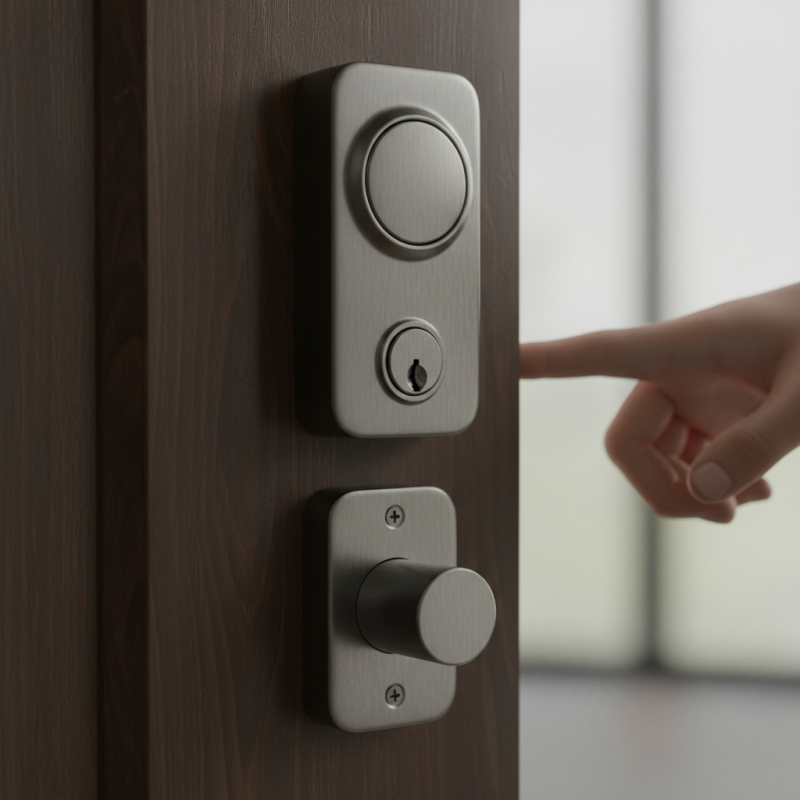
Push lock mechanisms are becoming increasingly popular for securing homes. They offer a unique blend of convenience and security. Understanding how these locks work is crucial for maximizing their benefits. A push lock typically uses a simple mechanism, where a button or lever must be pressed to secure or release the lock. This design minimizes the chance of keys being lost or copied, enhancing the overall security of your home.
To effectively use push locks, consider their placement carefully. Install them on entry points like doors and gates. Ensure that they are made from durable materials to resist tampering. Regularly check the mechanisms for wear and tear. This small maintenance task can prevent bigger issues later on.
Keep in mind that while push locks are generally safe, no system is foolproof. Sometimes, users may overlook routine checks. This can lead to vulnerabilities. It is essential to recognize these flaws and stay proactive. Sharing access to your home can also complicate security. Ensure that everyone using the push lock understands how to operate it properly.
Home Security: Effectiveness of Different Lock Mechanisms
Choosing the Right Push Lock for Different Entry Points
When selecting a push lock for your home, consider the specific entry points. Different areas have various security needs. For example, front doors require robust locks, as they are the primary access points. A high-quality push lock here can deter intruders effectively.
In contrast, for side doors or garage entries, a simpler push lock may suffice. These areas typically see less traffic and are often not the main target for break-ins. Think about the materials of your doors as well. A wooden door may need a different locking mechanism than a metal one.
It’s essential to assess how often each entry point is used. This can influence your choice. A lock might look secure but could be easy to bypass if not installed correctly. Take the time to educate yourself about installation methods. An improperly installed lock defeats its purpose and can lead to false confidence in your home’s security.
Step-by-Step Installation Guide for Push Locks
Installing a push lock can significantly enhance your home’s security. A recent report by the Security Industry Association states that homes with updated locking systems deter approximately 70% of potential intruders. This indicates that opting for push locks is a wise decision for homeowners seeking effective security solutions.
To start, gather the necessary tools: a screwdriver, a drill, and a measuring tape. Ensure the door is compatible with the push lock. Measure the backset distance from the edge of the door to the lock hole. This measurement is crucial. It guarantees a perfect fit, preventing any gaps that could compromise security.
Next, drill a hole in the door according to your measurements. A precise hole ensures a snug fit for the lock. Follow the manufacturer's instructions for mounting the lock. Make sure it aligns perfectly with the door strike plate. It might be tempting to rush, but take your time. A well-installed lock stands up to greater force.
Don’t forget about testing. After installation, test the lock several times to ensure smooth operation. Consider the alignment of all door components. Misalignment can lead to vulnerabilities. Pay attention to how it locks and unlocks. If it feels gritty or resistant, adjustments are necessary for optimal performance.
How to Use Push Lock for Maximum Security in Your Home? - Step-by-Step Installation Guide for Push Locks
| Step |
Description |
Estimated Time |
Tools Needed |
| 1 |
Gather all necessary materials and tools. |
10 minutes |
Push lock, drill, screwdriver, measuring tape |
| 2 |
Measure and mark the placement for the push lock. |
15 minutes |
Measuring tape, pencil |
| 3 |
Drill holes for the push lock according to the manufacturer's instructions. |
20 minutes |
Drill |
| 4 |
Install the push lock into the drilled holes. |
15 minutes |
Screwdriver |
| 5 |
Test the lock to ensure it operates correctly. |
5 minutes |
None |
Enhancing Home Security Beyond Push Locks: Additional Tips
When it comes to enhancing home security, push locks are just one piece of the puzzle. While they offer convenience, relying solely on them can leave your home vulnerable. Effective security combines multiple strategies.
One practical tip is to install motion sensor lights around your property. These lights can deter potential intruders by illuminating dark areas. They are cost-effective and easy to install. Additionally, regularly trimming bushes and trees helps eliminate hiding spots for burglars.
Another vital aspect is securing windows. Reinforce them with window locks or security film to make them harder to break. You can also invest in smart home devices that send alerts directly to your phone. Setting up a neighborhood watch can strengthen community ties and enhance mutual security awareness.
Everyone can take simple steps to improve safety. It's essential to assess how well your current security measures work. Not all locks are equal, and not every home is well-protected. Regularly reviewing and updating your security practices ensures you stay one step ahead of potential threats.

 Rod lock