How to Choose the Right Door Latch Handle for Your Needs?
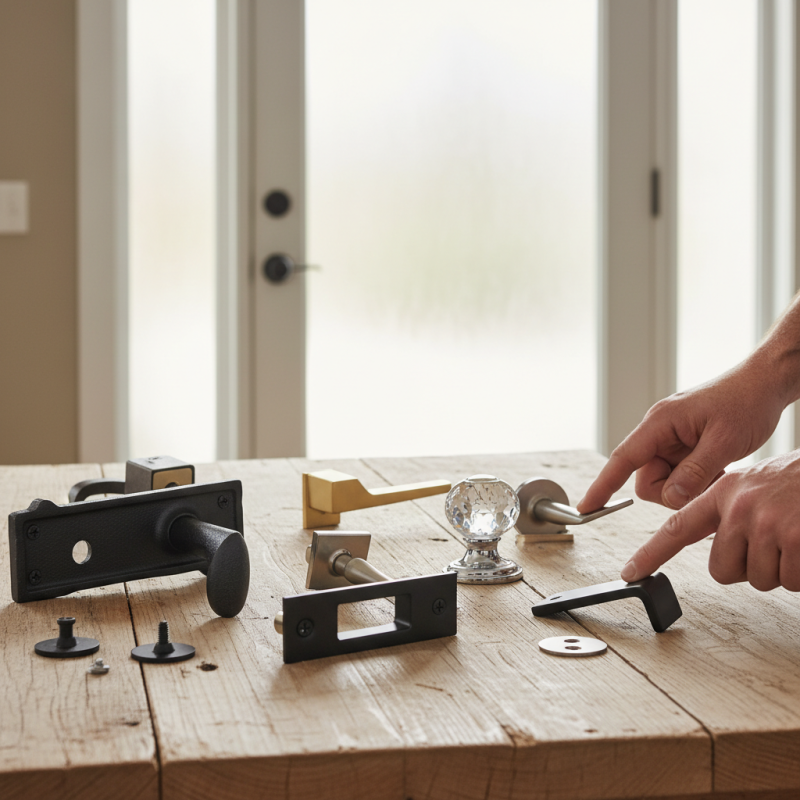
Choosing the right Door Latch Handle is essential for both functionality and aesthetics in your home or office. A suitable latch handle can enhance security while complementing your interior design. With so many styles and materials available, it’s easy to feel overwhelmed.
When selecting a Door Latch Handle, consider the door type and usage frequency. A heavy-duty handle might be necessary for external doors, while a lighter option may suffice for interior ones. Functionality should not be compromised for style; they must work together seamlessly. Additionally, look for handles that are easy to use and maintain.
Reflect on your choices. Have you considered the right size and finish? It's important to match handles with existing hardware for a cohesive look. Small details create significant impacts. Ultimately, the right Door Latch Handle can elevate the space while ensuring reliability and ease of use.
Understanding Different Types of Door Latch Handles
Choosing the right door latch handle is essential. Different types serve various functions and styles. For example, a spring latch is simple and commonly used for interior doors. It easily secures a door but may not offer the most security.
Deadbolt latches provide a higher level of safety. They are suited for external doors, needing a key for locking. Consider using these for added peace of mind. Meanwhile, sliding door latches are practical for patio doors, blending convenience and function. They often allow quick access yet ensure the door remains closed safely.
Evaluate your needs carefully. Think about the door's location and purpose. A latch that works well in a guest room may not be suitable for a front door. Reflect on which blend of style and function meets your expectations. The right handle should complement your home while providing security and ease of use.
Evaluating Material Options for Door Latch Handles
When selecting a door latch handle, the material is crucial. Different materials bring various benefits and drawbacks. Metal handles, for instance, are durable and resist wear. However, they can rust over time if not coated properly.
Plastic handles offer a lightweight option. They frequently come in various colors and designs. Yet, they may not withstand heavy use. Wood is another choice. It provides a classic look but can warp with humidity.
Consider the environment where the handle will be used. Outdoor applications may demand rust-resistant options. Indoor settings might allow more flexibility. Always look for handles that match your style and functional needs. Balancing aesthetics with durability can be challenging, yet rewarding.
How to Choose the Right Door Latch Handle for Your Needs? - Evaluating Material Options for Door Latch Handles
| Material Type |
Durability |
Cost Range |
Weather Resistance |
Maintenance Level |
| Stainless Steel |
High |
$15 - $50 |
Excellent |
Low |
| Brass |
Medium |
$10 - $35 |
Good |
Medium |
| Plastic |
Low |
$5 - $20 |
Fair |
High |
| Aluminum |
Medium |
$15 - $40 |
Good |
Medium |
| Wrought Iron |
High |
$25 - $100 |
Excellent |
Low |
Assessing Security Features in Door Latch Handles
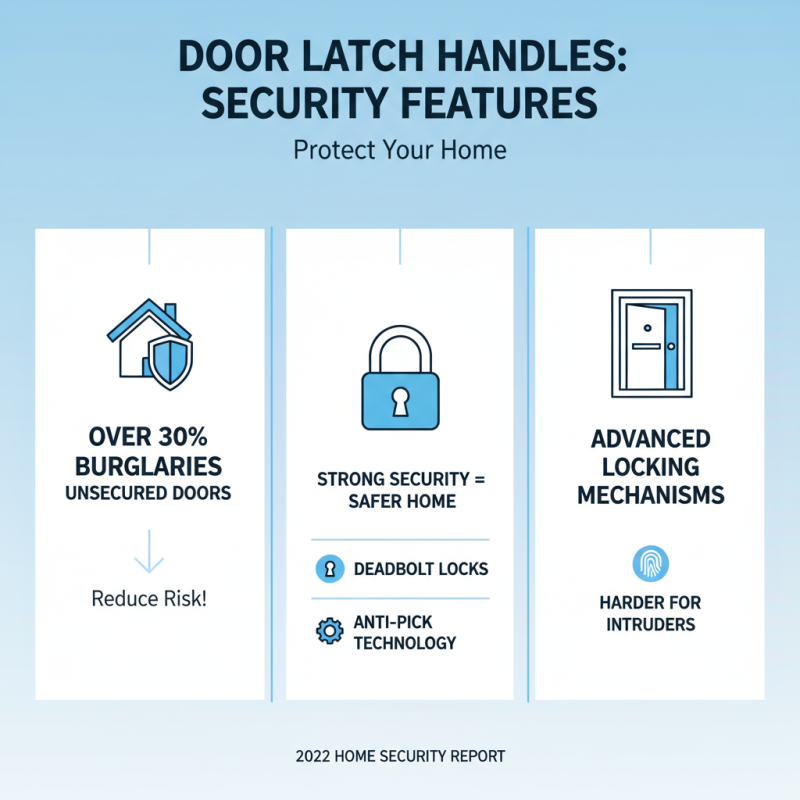
When it comes to door latch handles, security features are paramount. According to the 2022 Home Security Report, over 30% of burglaries occur through unsecured doors. Selecting a handle with strong security features can dramatically reduce this risk. Many latch handles come with advanced locking mechanisms, making it hard for intruders to gain access. Look for features like deadbolts or anti-pick technology, which can significantly enhance the safety of your home.
Tip: Always check for certification. Handles certified by organizations like the American National Standards Institute (ANSI) ensure quality and reliability.
Consider the material of the latch handle as well. Solid brass and stainless steel are durable options that resist tampering. While plastic might seem economical, it often lacks the strength needed for effective security. According to experts at the Association of Security Professionals, users should also consider the design of the latch. A complicated design can act as a deterrent to potential intruders.
Tip: Install additional security measures if needed. Even the best latch handle may not eliminate all risks. Regularly assess your home’s overall security to improve safety further.
Considering Aesthetic and Design Elements
When choosing a door latch handle, aesthetics and design elements play a critical role. A well-designed handle can enhance your space and its overall functionality. According to industry data, 45% of homeowners prioritize design when selecting door hardware. The right finish, shape, and style can complement your interior while providing ease of use.
Materials are essential. For instance, brass and stainless steel are popular for their durability. However, they offer different visual impacts. Brass brings warmth and sophistication, while stainless steel offers a modern touch. Recent findings show that 34% of consumers prefer traditional styles, whereas 24% lean towards contemporary designs. Understanding these preferences can make your selection process smoother.
Color also matters significantly. A handle should harmonize with door color and room decor. Neutral tones offer versatility, while bold colors can serve as a statement piece. Yet, achieving balance is tricky; an overly flashy handle might disrupt a calm environment. Employing these design principles helps ensure functionality and visual appeal in your choice of door latch handles.
Determining Installation Requirements for Door Latch Handles
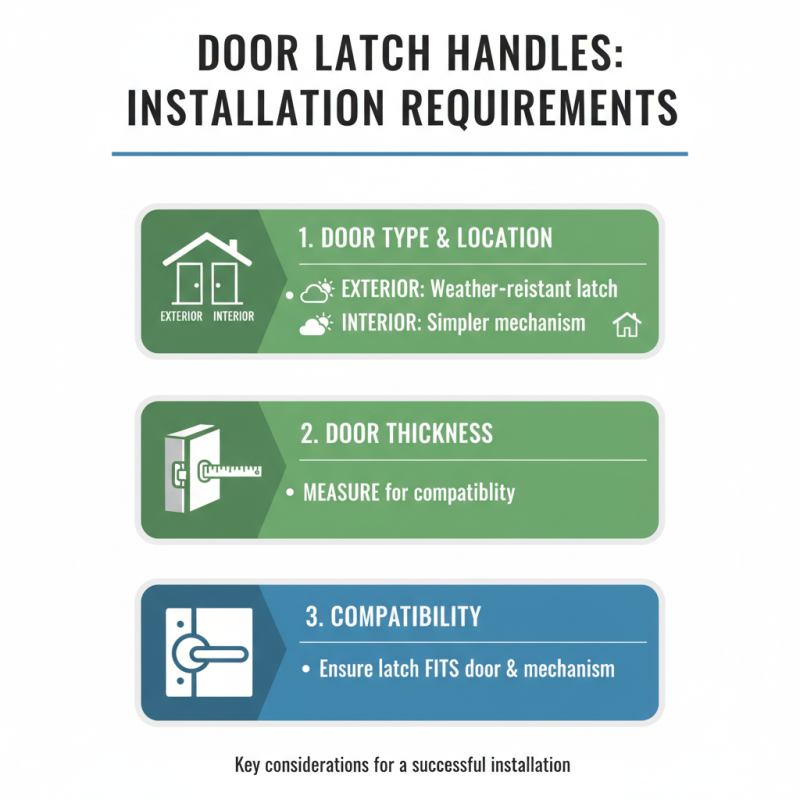
When selecting a door latch handle, understanding installation requirements is crucial. The type and location of the door influence your choice. For exterior doors, you need a latch that withstands weather conditions. Interior doors may require a simpler mechanism. Measure your door thickness to ensure compatibility with your chosen latch.
Consider the mounting style as well. Some latches require drilling new holes, while others fit into existing ones. This can affect the installation time and effort. Additionally, check if any special tools are necessary. Many people overlook these details, leading to frustration during installation.
Look at the door material too. A wooden door might need different hardware than a metal door. Not all latches work well with every material. Future repairs can be a concern if you choose the wrong type. Pay close attention to these factors to make a well-informed decision.

 Rod lock