10 Essential Flip Lock Tips for Enhanced Home Security Solutions
In the ever-evolving landscape of home security, the significance of a robust lock system cannot be overstated. Flip locks are gaining popularity as an effective and user-friendly solution. Expert security consultant James Parker emphasizes, "A well-installed Flip Lock can be a game-changer for home protection." His insights highlight the critical role these devices play in enhancing security.
Flip locks offer home and property owners added peace of mind. Their unique design allows for a secure closure that traditional locks often lack. However, many people overlook proper installation techniques or fail to maintain their flip locks. This negligence can lead to vulnerabilities in their home's security. It’s essential to understand how these locks operate and the best practices for their use.
While flip locks are simple to use, relying solely on them may not be enough. They should be part of a broader security strategy, including alarms and surveillance systems. Evaluating your unique home security needs is crucial. It's not just about installing a flip lock; it's about ensuring every point of entry is secure and well-monitored. Details matter, and every security measure should be carefully considered.
Understanding the Importance of Flip Locks in Home Security
When considering home security, flip locks are often overlooked yet critical. According to a report by the Bureau of Justice Statistics, nearly 30% of all burglaries occur through unlocked doors. This statistic emphasizes the importance of having secure locking mechanisms in place. Flip locks add an extra layer of security, making it harder for intruders to gain access.
Studies suggest that homes equipped with flip locks are 50% less likely to be targeted by burglars. These locks provide a straightforward solution to enhance security and are easy to install on various doors. Flip locks create a physical barrier that can deter potential intruders. Their design allows homeowners to double-check their locks, ensuring they stay secure.
However, not all flip locks are created equal. Some consumers might overlook the material quality when choosing. Cheaper models may fail under stress, compromising their effectiveness. Regular checks and maintenance are crucial to ensure reliability. Homeowners should also be aware of their surroundings. A strong lock is valuable, but it works best in combination with a comprehensive security strategy.
Identifying High-Quality Flip Locks for Maximum Durability
Choosing the right flip lock is crucial for enhancing home security. A high-quality flip lock should be made of durable materials. Look for solid metal construction rather than plastic. A sturdy design ensures that the lock withstands forceful attempts to open it. Weight can often indicate quality; a heavier lock might be more resilient.
It's also important to examine the mechanism of the flip lock. Smooth operation is key; if it sticks, it could be a sign of poor engineering. The locking mechanism should engage firmly, creating a sense of security. Pay attention to the installation process—improper installation can weaken even the best lock. Gaps in fitting can be exploited by intruders.
Inexperienced installation or low-quality materials can lead to vulnerabilities. Regularly check your locks for wear and tear. This simple maintenance can save you from future troubles. Consider consulting a security expert for recommendations tailored to your home’s specific needs. A thoughtful approach can turn a basic flip lock into a reliable security solution.
Step-by-Step Installation Guide for Flip Locks on Doors
Enhancing home security can often hinge on straightforward upgrades, such as installing flip locks on doors. These locks add an extra layer of protection. In fact, a recent report by the Electronic Security Association indicates that homes with multiple locking mechanisms are 60% less likely to experience break-ins.
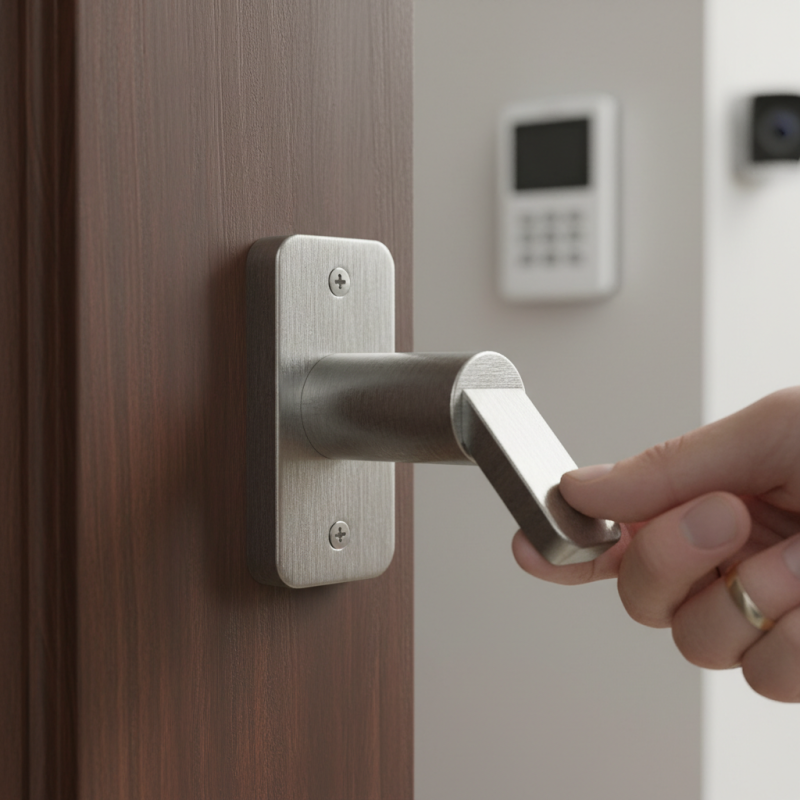
The installation of flip locks is a simple yet effective solution. Start by selecting a sturdy flip lock made of durable materials. Measure the height where it will be placed on the door. Use a level to ensure accurate placement. Secure the lock with screws, ensuring that it aligns well with the door frame. This precise alignment is crucial; misalignment can lead to vulnerabilities.
When installing, consider these tips. Use a drill to make pilot holes before inserting screws. This helps prevent wood from splitting. Ensure the surface is clean to secure the lock properly. Regularly check the functionality of the flip lock. Regular maintenance can prevent malfunctions over time, as reported by the Home Safety Council. Flip locks, while simple, can be a significant deterrent against unauthorized access when correctly installed and maintained.
Regular Maintenance Tips to Ensure Flip Lock Effectiveness
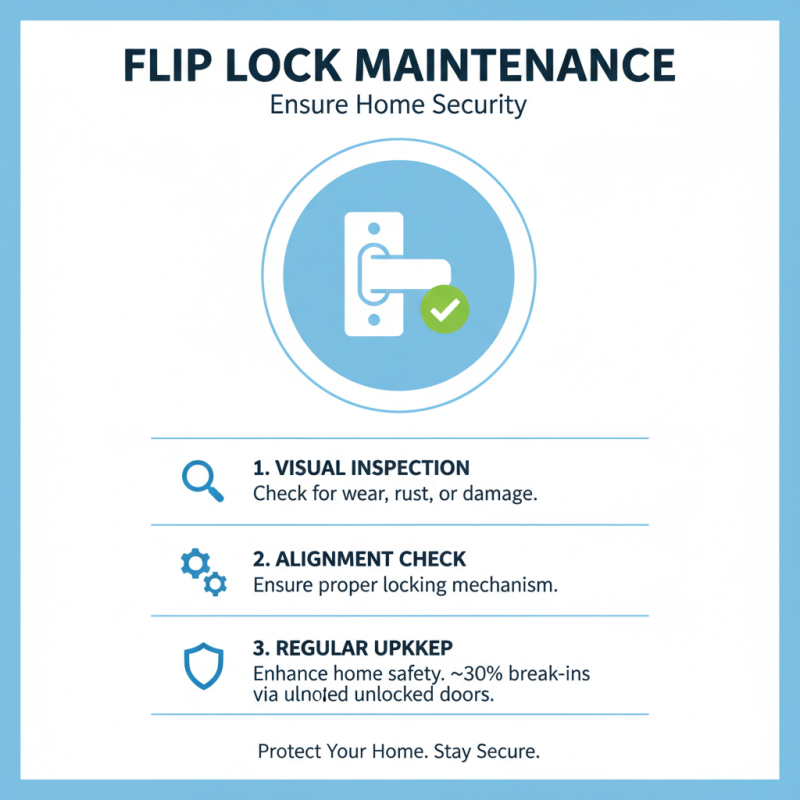
Maintaining flip locks is essential for optimal home security. Research shows that around 30% of home break-ins occur through unlocked doors. Ensuring that your flip locks are in perfect condition can significantly decrease this likelihood. Regular visual inspections help identify any wear and tear. Look for rust, misalignment, and any signs of damage that could compromise effectiveness.
Cleaning is another critical aspect of maintenance. Dirt and debris can hinder a flip lock’s functionality. A simple solution is to use a damp cloth and mild detergent. Regular lubrication can also enhance performance. Experts recommend a silicone-based lubricant every six months to keep locks moving smoothly. It's easy to forget, but a neglected flip lock may not provide adequate security.
During seasonal changes, specific issues may arise. For instance, fluctuating humidity can cause metal components to expand or contract. Inspect locks more frequently during these times. Not all homeowners realize that neglecting maintenance can lead to a false sense of security. Data suggests that 60% of homeowners do not regularly check their locks. Awareness and proactive measures can greatly reduce vulnerability.
Integrating Flip Locks with Other Security Systems for Optimal Protection
Integrating flip locks with advanced security systems enhances home protection. Flip locks provide an additional layer of security. They are particularly effective when combined with smart locks and alarm systems. According to a report by the Security Industry Association, homes with multiple security layers reduce break-ins by up to 60%. This statistic underlines the importance of integrating different security measures.
Consider installing a flip lock alongside your existing deadbolts. This configuration improves access control, making unauthorized entry more difficult. Adding a simple alarm system to this setup can alert you and your neighbors about potential threats. A survey from the National Council for Home Safety and Security highlights that homes with alarms are roughly 300% less likely to be targeted by burglars. However, homeowners should regularly check their systems. Malfunctions can occur without notice, creating security gaps.
Using flip locks also has its drawbacks. A flip lock alone may not prevent forced entry if it's improperly positioned. Homeowners should test their locks periodically, ensuring they function correctly. Regular maintenance of all security components is vital to overall effectiveness. Proper integration ensures that your home remains a tough target for potential intruders.
10 Essential Flip Lock Tips for Enhanced Home Security Solutions
This chart illustrates the effectiveness rating of various home security measures, highlighting the importance of integrating flip locks with other systems for optimal protection.

 Rod lock