Leave Your Message

What Are the Top Types of Pull Locks?

A Pull Lock combines a handle or pulling point with a locking mechanism, making it useful on cabinets, enclosures, doors, and equipment panels. The name covers several designs, not one universal product. Cam locks turn a small arm behind a panel. Compression locks pull a door firmly against its frame, which can help limit rattling or dust entry. Sliding-door locks secure moving panels, while recessed and paddle-style locks keep the grip close to the surface.

The details matter. A lock that works well on a metal cabinet may feel awkward on a frequently used sliding door. Panel thickness, mounting space, opening direction, and the material around the lock can all affect fit. So can the way people use the door each day. Some models use a key; others use a lever, push button, or internal latch. Names in product listings can be confusing, and manufacturers may use them differently. Check the product drawing and installation instructions before choosing.

This guide compares the top types of Pull Lock by design, operation, and common application. It also considers practical points such as corrosion resistance, ease of installation, and access for maintenance. No type is best in every setting. A compact lock may save space, but it can be harder to grip with gloves. That trade-off is easy to miss. The right choice depends on the door, the surroundings, and the level of control the application actually needs.
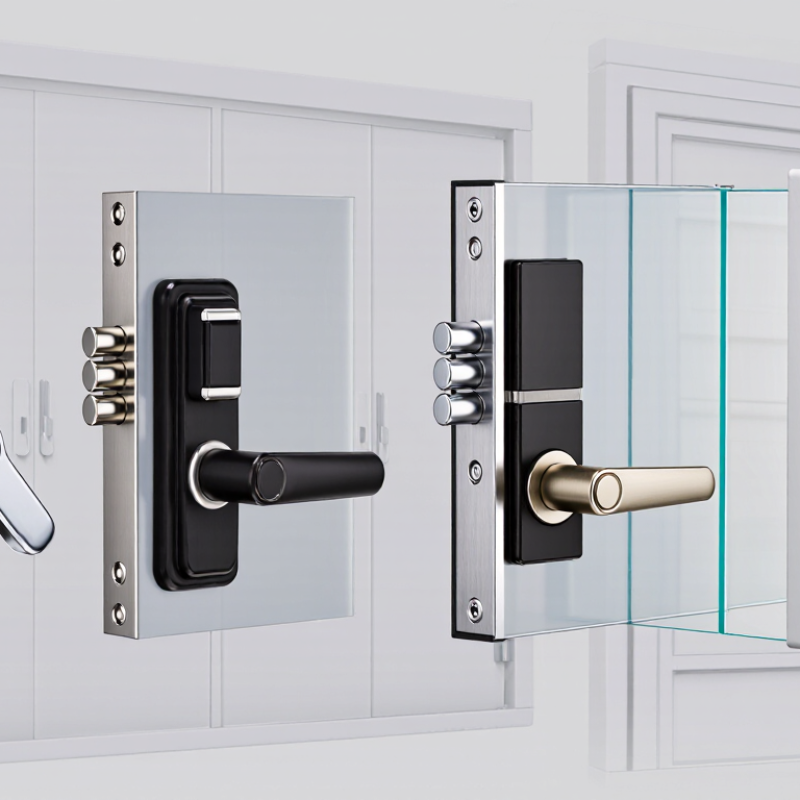
What Are the Top Types of Pull Locks?

How Pull Locks Work and Where They Are Used

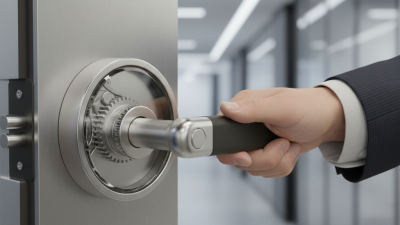
Pull locks combine a handhold with a locking mechanism, often for sliding doors, cabinets, and display cases. A user pulls the recessed or projecting handle, then turns a key or thumb-turn to move a bolt into its keeper. On sliding glass doors, the bolt commonly engages the frame or an opposing panel. In cabinetry, a compact cam may rotate behind the door instead. The exact action varies by design.

Fit matters. Door thickness, frame clearance, and alignment all affect reliable engagement. A few millimeters can make a bolt scrape or miss its keeper. Pull locks suit places where a separate knob would snag or waste space, such as narrow hallway closets, shop display cabinets, and sliding patio panels. Still, they are not interchangeable: a cabinet cam lock is not a substitute for a door lock designed for heavier use.

The FBI’s 2023 crime report estimated 847,522 U.S. burglary offenses, down 7.6 percent from 2022; this is context, not proof that any lock prevents crime. Grand View Research valued the global smart-lock market at $2.78 billion in 2023, reflecting broader interest in access control, though many pull locks remain mechanical. Simple, but not foolproof. Check the lock’s stated application and test the bolt with the door fully closed.
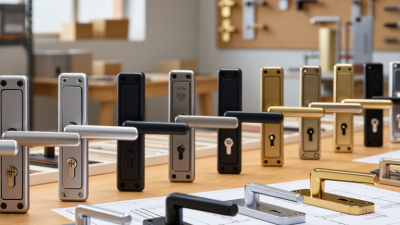
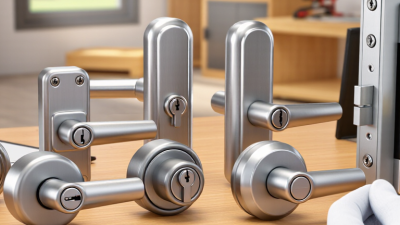
Keyed Pull Locks for Controlled Access

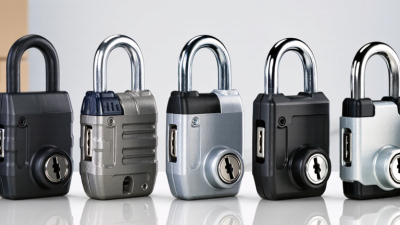
Keyed pull locks combine a practical handle with a cylinder operated by a matching key. They suit cabinets and drawers where approved users need access without leaving contents openly available. Turn the key, retract the latch, and pull the drawer open. Simple to use. They can be useful in shared offices, workshops, or storage rooms.

Fit matters. Check the cabinet material, door thickness, and available clearance before choosing a lock. A poorly aligned latch may catch, while a loose mounting can make the handle feel unreliable. Keyed access can discourage casual opening, but it does not replace sound storage practices. The trade-off is real: keys get misplaced, and tracking spare keys takes attention. Not every cabinet needs a keyed lock.

Tips: Measure the panel before ordering, and test the latch with the door open before regular use. Keep spare keys in a controlled place. If several people share access, decide who manages them; that small step is easy to overlook.

Combination and Push-Button Pull Locks

Combination and push-button pull locks bring access control into the handle itself. A combination pull uses numbered wheels or dials; the user aligns the correct sequence before pulling the handle. It can be useful on a shared cabinet, desk, or storage drawer where keys tend to wander. The mechanism stays compact. Small dials can be awkward with cold fingers, though, and a forgotten code can quickly become a nuisance.

Push-button pull locks use a keypad or mechanical buttons to release the latch. They are often easier to operate repeatedly, especially when several people need access. Some models reset the code, while others use a fixed sequence, so check the mechanism before choosing one. Fit matters, too: door thickness, latch position, and available clearance all affect installation. I would not assume every lock fits a standard pull opening. A neat handle can still bind if the latch is misaligned.

Tips: Measure the panel and check the lock’s installation template before drilling. Test the mechanism with the door open, then close it and try again. Keep the code private, but choose one you can reliably remember. Mechanical buttons may need occasional cleaning; grit can make them stick.

What Are the Top Types of Pull Locks? - Combination and Push-Button Pull Locks

Lock Type How It Works Power Required Code or Combination Options Advantages Points to Consider Common Applications
Mechanical Combination Pull Lock The user enters a preset sequence using rotating number dials or wheels to release the latch. None; the mechanism operates mechanically. Some models use a fixed combination, while others allow the user to change it. Reset capability depends on the specific design. No batteries are needed, and access does not depend on a key being available. Entering the combination can take longer than pressing a short button sequence. Users must remember the combination, and dial visibility may matter in dim areas. Cabinets, drawers, lockers, and storage compartments where shared or key-free access is useful.
Mechanical Push-Button Pull Lock The user presses buttons in a required sequence to operate a mechanical latch. None; the buttons operate the mechanism directly. Code-setting features vary. Some designs have a changeable sequence, while others use a preset sequence. Quick to operate and does not require batteries or a separate key for routine access. Button layout and code length differ by model. A lock should be installed and set according to its instructions to avoid code or latch problems. Drawers, cabinets, lockers, and other storage units that need convenient combination access.
Electronic Keypad Pull Lock The user enters a code on an electronic keypad; an electronic mechanism releases the latch. Usually battery-powered; the required battery type and backup method vary by model. Many models support user-set codes, and some allow multiple codes or temporary access codes. Can make code changes and shared access easier when those features are supported. Battery condition must be monitored. Check whether the design provides a low-battery warning or an emergency access method. Cabinetry, lockers, and storage areas where configurable access is important.
Key-Operated Pull Lock A physical key turns or releases the lock mechanism built into or attached to the pull. None; the mechanism operates mechanically. Access is controlled by the supplied key or compatible keys rather than a user-entered code. Operation is familiar, and no combination needs to be memorized. Users need access to the correct key. Key control and replacement arrangements should be considered for shared storage. Furniture, cabinets, drawers, and storage units where key-based access is preferred.

Sliding-Door and Cabinet Pull Locks

Sliding-door pull locks combine a handle with a locking mechanism, keeping hardware close to the door surface. A flush pull with a hook lock suits a pocket or patio door where a projecting handle could catch clothing. For installation, check the door’s thickness, backset, and frame clearance; a small mismatch can prevent the hook from engaging cleanly. Test the lock with the door slightly open, then closed. Small details matter.

Cabinet pull locks are usually compact cam locks or latching mechanisms built into a pull or mounted beside it. They work well on drawers and cupboard doors, but the lock must match the panel thickness and the direction of opening.

The 2023 Grand View Research report valued the global sliding door market at about USD 13.4 billion in 2022 and projected 5.3% annual growth from 2023 to 2030. That market figure covers sliding doors, not pull locks, but it signals why compatible, low-profile hardware matters in space-saving interiors.

For product selection, compare the manufacturer’s stated cycle testing and refer to ANSI/BHMA A156.5, which covers auxiliary locks. A polished finish can look reassuring. It does not prove a strong latch. In practice, alignment and secure fixing often deserve more attention than appearance.

How to Compare Pull Locks by Security, Fit, and Installation

What Are the Top Types of Pull Locks?

Pull locks come in several forms, and the right choice depends on the door and its purpose. Keyed pull locks suit doors that need controlled access, while privacy styles are intended for interior spaces. Recessed pull locks sit within the door face, making them useful where a projecting handle could snag. Surface-mounted models are easier to see and often simpler to replace. Small details matter.

Compare security by checking the lock’s construction, latch engagement, and compatibility with the door material. A heavy-looking lock may still perform poorly if its latch barely reaches the strike plate. Measure door thickness, backset, and available clearance before buying. For sliding doors, confirm that the lock engages the frame without forcing the panel. Installation difficulty varies: recessed models may require precise cutting, while surface-mounted locks usually need accurate screw placement. A poor fit can create binding or leave gaps. Even careful measurements can miss a warped door, so inspect it in place.

Tips: Measure twice, then mark the lock position with removable tape. Check that the door opens and closes smoothly before tightening every screw. If the instructions do not match your door, pause and ask a qualified installer; guessing can damage the door.