Top Pull Lock Manufacturers for Global Buyers?
Choosing a Pull Lock manufacturer is more than comparing prices or polished product photos. Global buyers need dependable hardware, clear specifications, and communication that holds up from sample approval to repeat orders. A lock may look sturdy online, yet small details can change its performance: the pull’s finish, the body material, the mounting pattern, and the consistency of each batch. Details matter.
A useful comparison starts with the intended application. Consider door thickness, installation space, expected use, and the environment where the lock will operate. Ask manufacturers for dimensioned drawings, material and finish information, available test reports, and sample units. Then check whether the sample matches the quoted specifications. A neat catalog is not proof of consistent production.
This guide examines manufacturers through practical buyer criteria, including product range, customization, quality controls, production capacity, lead times, and export support. It also highlights questions worth asking before a purchase order is placed. Responses should be specific and verifiable, not just reassuring. One weakness in many supplier comparisons is that public product information can be incomplete. No shortlist is perfect. Treat rankings as a starting point, confirm important details directly, and weigh the evidence against your own project needs.
What Pull Locks Are and How They Work
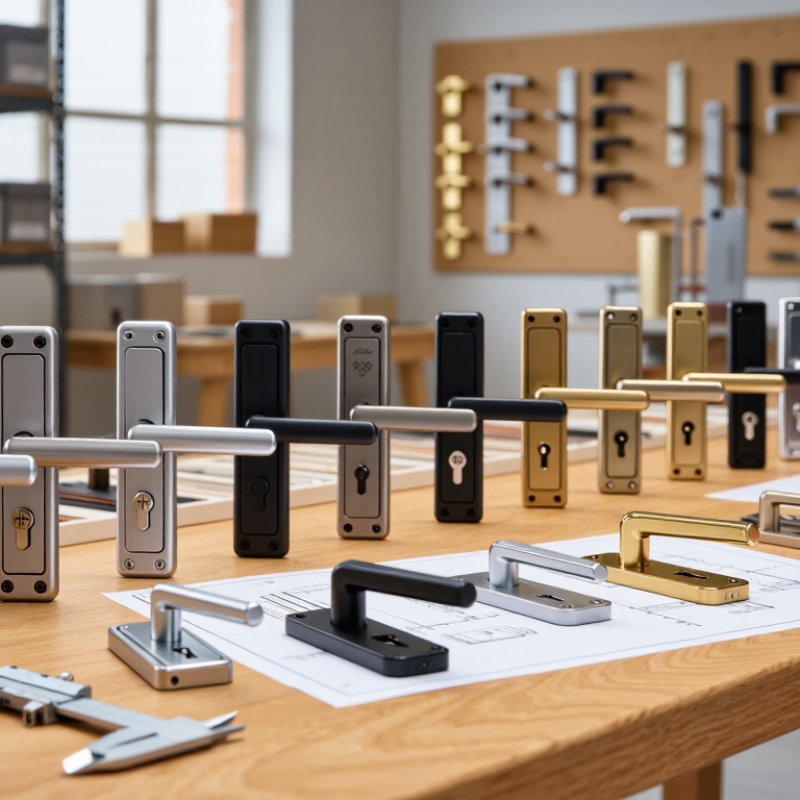
Pull locks combine a handhold with a locking mechanism, making them useful on cabinets, drawers, equipment cases, and access panels. The handle gives your fingers a place to grip, while a latch or bolt helps keep the panel closed. Designs vary: some use a key, while others use a button or a simple turn. That is the basic idea.
When you pull the handle, an internal cam or linkage may retract the latch, allowing the door or drawer to open. Turning a key or control can block that movement or extend a bolt into a catch. The exact action depends on the model, so check its drawings before fitting it. A small misalignment can make a lock feel stiff, even when its parts are sound. Small parts matter. For instance, a loose strike plate may prevent the latch from engaging fully. Material, panel thickness, and the direction of opening also affect the fit.
Tips: Measure the panel and mounting space before choosing a lock. Check that the latch meets its catch cleanly, without forcing the handle. After installation, test it several times with the panel both open and closed. A little more checking can save a frustrating adjustment later.
Key Factors for Evaluating Pull Lock Manufacturers
A pull lock is small. Yet failure can leave a cabinet, case, or access panel unable to close. Evaluate manufacturers against the actual job, not a catalog photo. Share drawings, door thickness, mounting space, expected opening cycles, and the environment. Salt air, workshop dust, and frequent vibration can affect material and finish requirements. Ask how the supplier checks fit and operating force. A smooth sample matters. Repeatability matters more.
Request material specifications, dimensional tolerances, finish details, and test records for corrosion resistance and cycle durability. Test conditions should resemble your use; vague claims are hard to compare. Check whether production samples match approved drawings, and ask how defects are recorded and corrected. For custom parts, clarify tooling ownership, revision control, minimum order quantities, and lead times in writing. Small details prevent expensive surprises.
Evaluate communication as carefully as price. Can the team answer technical questions clearly, flag a risky tolerance, and provide dated inspection reports? Ask for a pilot batch before committing to volume, then measure several units with the same gauge. A polished sample may hide variation. It happens. Also assess packaging, spare-part support, and capacity during peak demand. No supplier is perfect, and a low quote may still suit a low-risk application. Compare evidence with your operating needs, and record unresolved assumptions before approval.
Leading Pull Lock Manufacturers for Global Buyers
Leading Pull Lock Manufacturers for Global Buyers
Choosing a pull lock manufacturer takes more than comparing prices. Buyers should check material options, production capacity, and inspection procedures. A clear product drawing helps prevent mismatched dimensions or mounting holes. Ask how the supplier checks lock movement, finish quality, and fit before shipment. Small details matter. A stiff latch can slow assembly, while a poorly finished surface may wear sooner in frequent use.
Reliable manufacturers explain what they can verify and what remains uncertain. Request sample units and compare them with your drawings and intended installation. Confirm how tolerances, packaging, and lead times are recorded. For larger orders, ask whether inspection records can be shared for each production batch. A polished catalogue is useful, but it cannot replace a physical sample. I would still leave room for a second sample round; early assumptions are not always right.
Tips: Send one approved reference sample, along with dimensions and finish requirements. Ask for written confirmation before production begins. Check the lock repeatedly, not just once, and note any sticking or loose movement. Keep the evaluation simple and documented. That takes time, but it can prevent avoidable delays.
Comparing Product Range, Quality, and Customization
For global buyers, a pull lock is more than a latch with a key. It must fit the panel, resist daily handling, and work reliably in its intended environment. Manufacturers may offer cam, compression, and quarter-turn designs, but the names alone do not show whether a product suits a specific enclosure. Check dimensions, mounting style, available finishes, and compatible panel thickness before comparing prices.
Quality is easiest to assess through evidence. Ask for material specifications, inspection criteria, and test results relevant to corrosion, operating cycles, and load conditions. A smooth sample feels reassuring. It is not proof of consistent production. Compare the same details across suppliers, including key control, tolerances, and packaging for long-distance shipment. Small differences matter; a misaligned lock can slow assembly or leave a door rattling.
Customization can cover keying, handle shape, finish, hole patterns, and private packaging. Share drawings and expected order volumes early, then request a pre-production sample and written approval of critical dimensions. Communication is part of quality. A supplier that flags a difficult tolerance may be more useful than one that simply says yes. Still, samples can be imperfect predictors of later batches, so buyers should agree on measurable acceptance checks before production.
How to Select a Supplier for Your Market and Application
Choosing a pull lock supplier starts with the application, not the catalogue. A cabinet in a humid coastal shop needs different corrosion resistance from a lock on an indoor display case. Define the door or drawer thickness, mounting space, opening frequency, and expected load. Small details matter.
Ask suppliers for material specifications, dimensional drawings, and sample units. Check whether the lock fits your panel without forcing the cam or leaving excess play. Test the key action repeatedly, then inspect the finish for scratches and loose parts. A sample can reveal more than a polished product photo. It may still miss real-world wear, so test several units when consistency matters.
Your target market also shapes the decision. Confirm which product documents and testing records are relevant there, and ask how production changes are controlled. Compare lead times, minimum order quantities, packaging, and replacement-part availability—not just unit price. Clear answers are useful; vague claims deserve follow-up. One awkward point: a supplier may perform well on samples but struggle with larger batches. Discuss inspection methods and acceptable tolerances before placing an order.

 Rod lock