How to Use a Turn Latch for Secure Locking Solutions?
When it comes to secure locking solutions, a Turn Latch can be an excellent choice. This simple yet effective device is widely used in various applications. The design is straightforward, but the benefits are significant. Properly applied, a Turn Latch adds an extra layer of security to doors, gates, and cabinets.
Understanding how to effectively use a Turn Latch is crucial for enhancing security. Many overlook the importance of installation. A poorly installed latch can leave vulnerabilities. It's essential to ensure alignment and functionality for optimal performance. With a firm grip, a Turn Latch can withstand force and secure your belongings.
While Turn Latches are reliable, no locking mechanism is infallible. Regular maintenance is necessary. Routine checks can identify wear and tear early. Consider the environment where the latch is used. Weather effects can influence the material's durability. Balancing security and usability requires thought and attention.
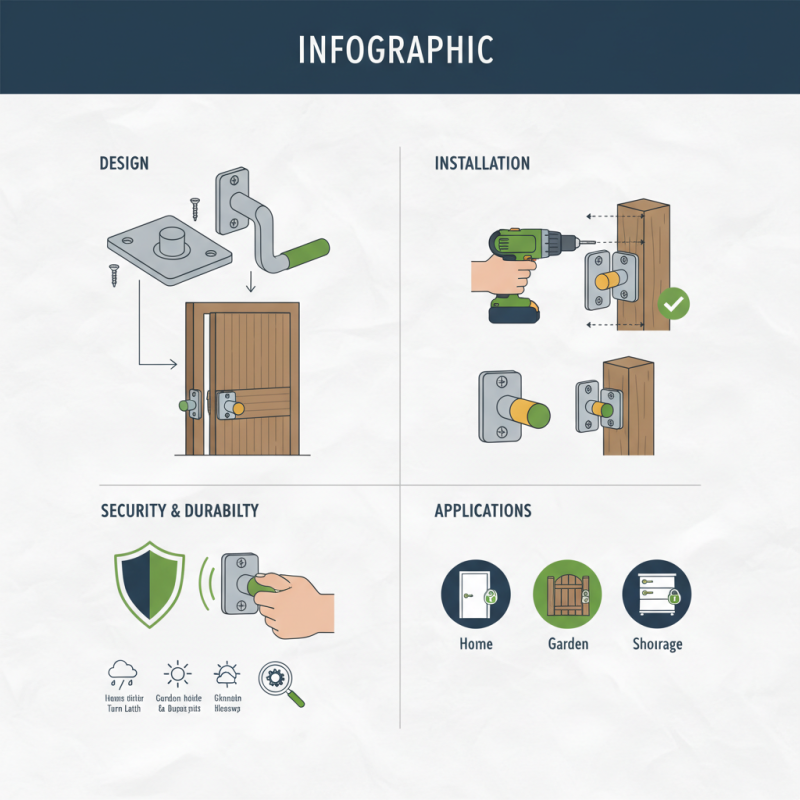
Understanding the Basics of Turn Latches and Their Functionality
Turn latches are simple yet effective devices for securing doors, gates, and cabinets. Their functionality relies on the mechanism that allows for easy operation. When you turn the latch, it moves into a catch or keeper. This creates a tight seal. Turn latches come in various sizes and materials. Choosing the right one depends on your specific needs.
When selecting a turn latch, consider the environment. If exposed to moisture, opt for weather-resistant materials. Stainless steel or coated latches work well outdoors. Proper installation is crucial. A poorly installed latch can compromise security. It may not function correctly over time. Always check the alignment to ensure smooth operation.
Tips for effective use include periodically checking the latch for wear and tear. Lubricate the mechanism to keep it functional. If you notice resistance, it might be time for maintenance. Avoid over-tightening, as this can cause misalignment. A little attention to detail goes a long way in ensuring reliability. Turn latches are not foolproof, so always consider additional locking solutions for enhanced security.
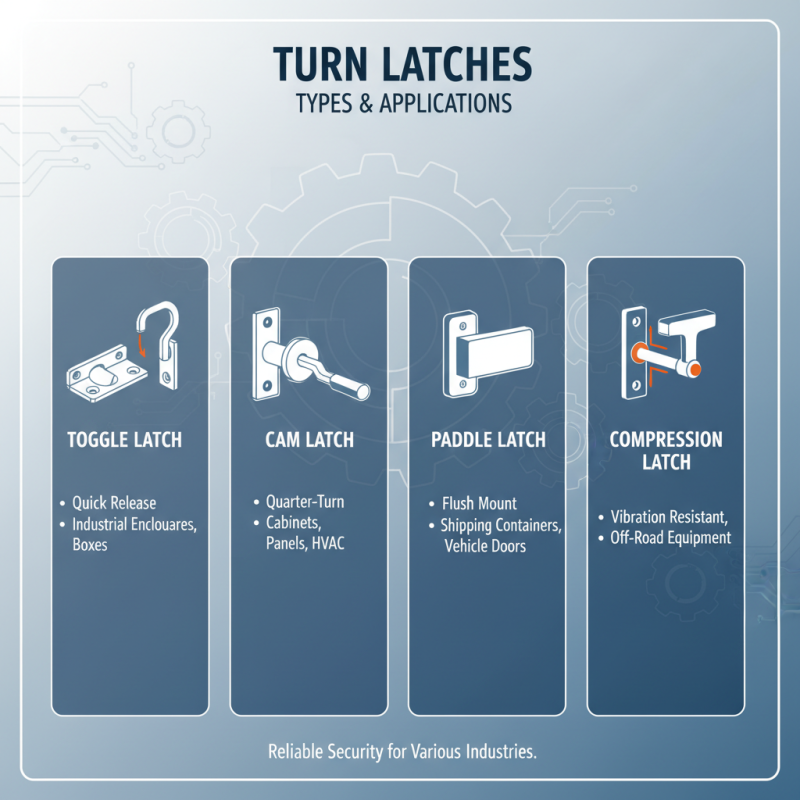
Types of Turn Latches and Their Suitable Applications
Turn latches are versatile locking mechanisms commonly used across various industries. These devices provide a reliable way to secure doors, gates, and cabinets. They come in different types, each suited for specific applications. For instance, the paddle latch is popular in shipping and storage. It allows for quick access while still maintaining a strong hold, essential in fast-paced environments.
Another type is the slide latch, often utilized in residential settings. Data from security industry reports reveal that over 40% of homeowners prefer this option for its ease of installation and effectiveness. The sliding mechanism ensures that doors remain securely closed, preventing unauthorized access. Similarly, T-handle latches are frequently seen in outdoor applications, like securing shed doors and toolboxes, providing extra durability against nature’s elements.
However, choosing the right turn latch can be challenging. Many users may overlook material quality, which affects longevity. A poorly chosen latch may lead to functional issues. It’s essential to assess the environment where the latch will be used. Factors such as moisture and temperature can drastically impact performance. Inadequate choices could lead to costly replacements, making research and expert guidance critical for optimal results.
Step-by-Step Guide to Installing a Turn Latch Securely
Installing a turn latch can enhance the security of your doors and gates. This simple mechanism is effective for both residential and commercial spaces. Here's how to secure it properly, ensuring durability and reliability.
Begin by selecting the right location. Choose a position on the door frame that aligns perfectly with the latch. This ensures it catches smoothly. Sketch the outline where you will drill. Use a level to confirm alignment. It helps to have a second pair of hands during this step.
Drill the necessary holes carefully. Overdrilling can weaken the door material. After drilling, attach the turn latch to the door with screws. Ensure it's tight but avoid overtightening, which could break the latch or distort the door. Test its functionality. Does it close securely? If it sticks, adjust the latch position slightly.
Tips: Always double-check the alignment before drilling to avoid mistakes. If you encounter resistance when turning the latch, reevaluate its placement. Regularly lubricate the latch to prevent rust. Simple maintenance goes a long way in prolonging its life.
Be sure to consider the environment where your latch will be placed. External conditions can affect the latch's functionality. Observe for wear and tear over time. Reflect on your installation; small adjustments could improve performance and security.
How to Use a Turn Latch for Secure Locking Solutions
| Step |
Description |
Tools Required |
Estimated Time |
| 1 |
Select the appropriate turn latch based on the application. |
Measuring tape, turn latch |
10 minutes |
| 2 |
Mark the position where the turn latch will be installed. |
Marker, measuring tape |
5 minutes |
| 3 |
Drill the holes for mounting screws based on the latch size. |
Drill, drill bits |
15 minutes |
| 4 |
Attach the turn latch to the marked position using screws. |
Screwdriver, screws |
10 minutes |
| 5 |
Test the latch functionality to ensure it locks securely. |
None |
5 minutes |
Tips for Maintaining and Troubleshooting Turn Latches
When using turn latches, proper maintenance is crucial to ensure their effectiveness. Research indicates that regular upkeep can extend the lifespan of locking mechanisms by up to 30%. Inspect latches for rust, especially in outdoor applications. Consider environmental factors. Moisture and extreme temperatures can weaken these components, leading to malfunction.
Troubleshooting is often necessary. If a latch becomes stiff or doesn't engage properly, it may need lubrication. Use a silicone-based spray for optimal results. Over-lubricating can lead to grime buildup, creating more issues down the line. A clean latch operates more smoothly, enhancing security.
Remember, even high-quality latches can have issues. Regularly check for alignment. Misaligned latches may lead to ineffective locking mechanisms. A simple adjustment might be all that's needed. Keeping an eye on these details helps prevent larger problems. Regular checks and thoughtful maintenance ensure your turn latches remain reliable and secure.
Exploring Alternatives to Turn Latches for Enhanced Security
When considering secure locking solutions, turn latches present a basic option. They are easy to install and operate. However, they may not provide the robust security some users require. Often, a seasoned builder or designer will look beyond turn latches. They might seek alternatives like deadbolts or electric locks. These options can significantly enhance security levels.
The choice of an alternative should depend on specific needs and circumstances. A deadbolt, for instance, offers greater resistance against forced entry. Electric locks add convenience and can be controlled remotely. Some may also consider a combination of traditional and modern solutions. This way, you can adapt to changing security environments.
Many overlook the weaknesses in their lock systems. This oversight can lead to vulnerabilities. It’s not uncommon for individuals to install a lock without fully understanding its limitations. Regular reviews of security measures can help identify these gaps. Always explore different locking mechanisms that suit your situation for improved security.
Security Solutions Comparison: Turn Latches vs. Alternatives

 Rod lock