Top 10 Sliding Lock Designs for Enhanced Security Solutions
In today's world, security is more essential than ever. The right locking mechanism can significantly enhance the protection of your spaces. Among these, the Sliding Lock stands out due to its innovative design and functionality. These locks are not just practical but also stylish, making them a popular choice in modern architecture.
Sliding Locks provide a robust solution against unauthorized access. Their design allows for smooth operation while maintaining a high level of security. However, not all Sliding Lock designs are equal. Many homeowners may unknowingly choose locks that lack durability or effective resistance to tampering.
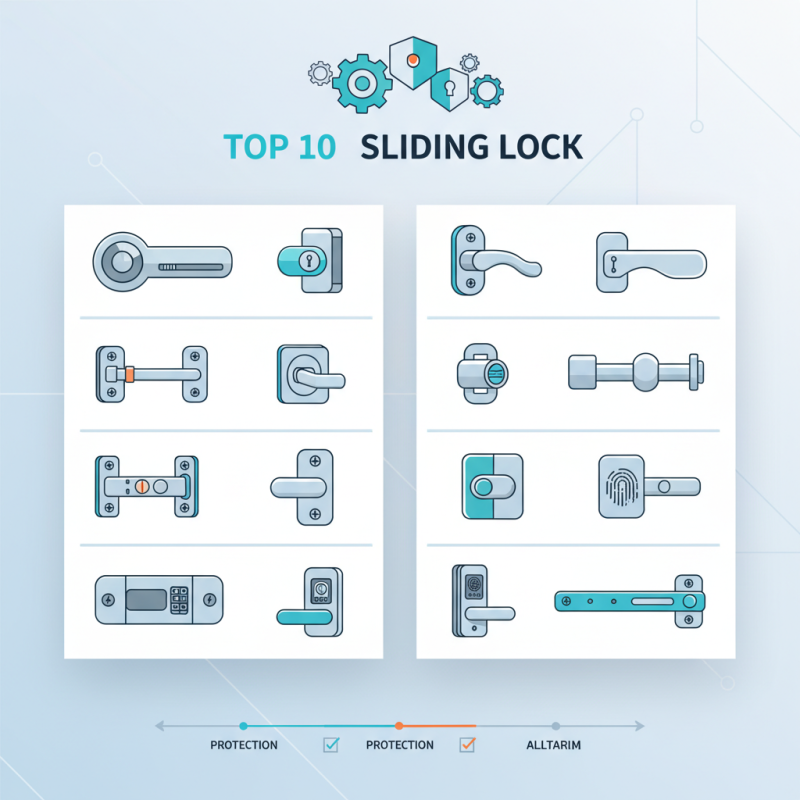
Our exploration of the Top 10 Sliding Lock Designs will highlight superior options for your security needs. Each design focuses on offering advanced features while ensuring user-friendliness. Embracing the right Sliding Lock can enhance your safety significantly, yet it is crucial to remain informed about the options available. A well-chosen lock secures your home while reflecting your personal style.
Top Features to Consider in Sliding Lock Designs
When choosing sliding lock designs for security, several key features come into play. Durability is crucial. You want locks that withstand wear and tear over time. Look for materials that resist corrosion and harsh weather. Many models offer steel or aluminum components, providing strength and longevity.
Another essential feature is ease of use. A sliding lock should operate smoothly, even after prolonged use. Lock mechanisms should not jam or stick. Consider options with user-friendly designs, such as handles that ensure a firm grip.
Security ratings are often overlooked. Not all locks provide the same level of safety. Research certifications and industry standards to ensure you choose a reliable model. It’s useful to weigh the lock's security against its cost. A more expensive lock may offer better protection, but there are always limits. Ensure you're getting value for your investment.
Top 10 Sliding Lock Designs for Enhanced Security Solutions
| Lock Design |
Material |
Security Rating |
Key Features |
Price Range |
| Heavy-Duty Sliding Lock |
Steel |
Grade 1 |
Weather Resistant, Bolt System |
$50 - $75 |
| Smart Sliding Lock |
Aluminum |
Grade 2 |
Bluetooth Enabled, App Control |
$120 - $150 |
| Electronic Sliding Lock |
Stainless Steel |
Grade 1 |
Fingerprint Access, Backup Key |
$200 - $250 |
| Portable Sliding Lock |
Plastic |
Basic |
Lightweight, Easy to Install |
$20 - $30 |
| Reinforced Sliding Lock |
Zinc Alloy |
Grade 3 |
Reinforced Body, Anti-Pick |
$40 - $60 |
| Dual Locking Mechanism |
Heavy Gauge Steel |
Grade 1 |
Two Locks, Enhanced Security |
$80 - $100 |
| Biometric Sliding Lock |
Aluminum Alloy |
Grade 2 |
Facial Recognition |
$300 - $350 |
| Keyless Sliding Lock |
Brass |
Grade 3 |
Remote Controlled |
$70 - $90 |
| Heavy Security Padlock |
Cast Iron |
Grade 1 |
Thick Shackle, Anti-Drill |
$55 - $80 |
| Multi-Point Lock |
Steel |
Grade 1 |
Locks at Multiple Points |
$150 - $200 |
Types of Materials Used in Sliding Lock Construction
Sliding locks are essential for security. The materials used in their construction play a significant role in durability and effectiveness. Commonly, stainless steel is favored for its resistance to corrosion. This metal ensures long-lasting performance in various environments. However, while stainless steel is durable, it can be prone to scratches, which might affect its appearance.
Another popular material is brass. It is known for its strength and aesthetic appeal. Brass sliding locks also offer resistance against tampering. Yet, they may not be as weather-resistant as stainless steel. Over time, exposure to moisture can lead to tarnishing. This requires regular maintenance to keep the lock functional.
Plastic sliding locks are lighter and often more affordable. They can provide suitable security in low-risk environments. However, their strength is inferior compared to metal options. With prolonged use, plastic locks may wear down quickly. Each material has its strengths and weaknesses, and choosing the right one is crucial for effective security. The decision should be based on specific needs and vulnerabilities.
Top 10 Sliding Lock Designs for Enhanced Security Solutions
This chart illustrates the distribution of different materials used in the construction of top sliding lock designs, highlighting their effectiveness and popularity.
Comparative Analysis of Traditional vs. Modern Sliding Locks
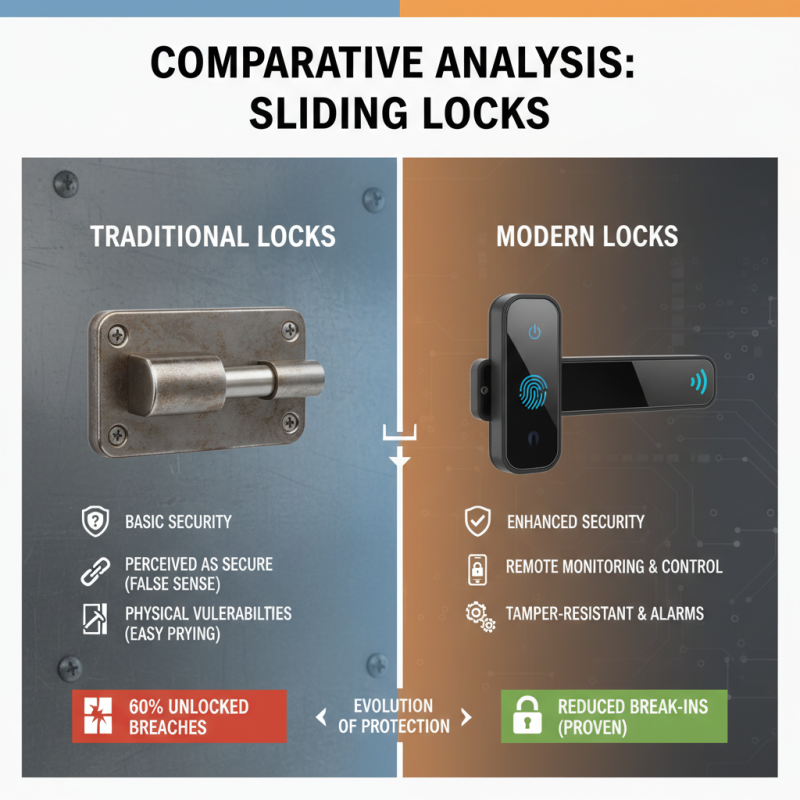
When analyzing the evolving landscape of sliding lock designs, traditional locks face significant challenges. Traditional sliding locks, often made of metal, provide basic security. Many users believe they offer complete protection. However, statistics reveal that up to 60% of break-ins occur through unlocked doors or windows, highlighting the insufficiency of traditional mechanisms. Their physical vulnerabilities, such as easy prying, make them less reliable.
Modern sliding locks incorporate advanced materials and technologies. For instance, locks with anti-drill and anti-pick features significantly increase resistance to tampering. A recent industry report indicated a 40% decrease in break-ins with the use of upgraded locking systems. These locks often include smart features, allowing users to monitor entry remotely. Such innovations cater to rising homeowner concerns about security. Yet, these systems are also not foolproof. High-tech locks are vulnerable to hacking and power failures.
Consumers should assess their security needs carefully. Many still opt for traditional designs without realizing their limitations. A blend of traditional robustness and modern innovation may provide the best protection. Users must balance technology and reliability in their choice of sliding locks.
Innovative Technologies in Sliding Lock Mechanisms
Sliding locks have evolved significantly, showcasing innovative technologies that enhance security. Recent industry reports suggest that
the global market for advanced locking mechanisms is projected to grow by 8.5% annually,
reflecting the rising demand for robust security solutions. Key trends include the integration of smart technology,
enabling remote control and monitoring capabilities.
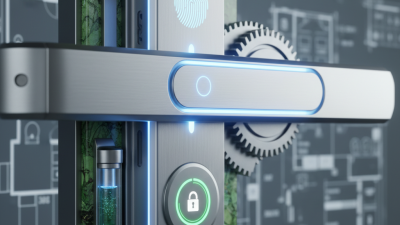
One notable innovation is the use of biometrics in sliding locks. These locks can scan fingerprints, ensuring that only authorized users gain access.
A study found that homes with biometric locks experienced a 30% decrease in unauthorized entries.
Furthermore, advanced materials like reinforced steel are being utilized to prevent tampering. Despite these advancements, challenges remain, such as the potential for cyber vulnerabilities in smart locks.
Regular updates and security audits are crucial for maintaining reliability.
Another area of focus is the design efficiency of sliding locks. According to a survey by security analysts, user-friendly designs can
lead to a 25% increase in usage rates. However, many consumers still face issues understanding their functionalities.
This gap highlights the need for better user education and installation instructions. As technology continues to evolve, addressing these shortcomings will be essential for ensuring enhanced security within sliding lock systems.
Applications of Sliding Lock Designs in Various Security Settings
The applications of sliding lock designs are diverse, enhancing security in various domains. In residential areas, sliding locks have become essential for patio doors and sliding gates. Statistics indicate that nearly 30% of home break-ins occur through unsecured sliding doors. This underscores the need for robust sliding lock systems that provide both security and ease of use.
In commercial settings, sliding locks play a crucial role in securing sensitive areas. Data from security industry reports show that over 40% of businesses experience theft, primarily due to inadequate locking mechanisms. Installing high-quality sliding locks in retail stores and warehouses can significantly reduce this risk. Furthermore, these locks must conform to industry standards, ensuring reliability in protecting assets.
However, the effectiveness of sliding locks often depends on their installation. Misalignment or poor quality can lead to vulnerabilities. It’s also critical to regularly evaluate and potentially upgrade lock systems. Security measures should evolve with changing threats. Organizations must be proactive in adapting to current security challenges, which requires continuous assessment of sliding lock designs.

 Rod lock