What is a Cam Lock and How Does it Work?
In the world of security and locking mechanisms, the "Cam Lock" stands out for its unique design and functionality. Industry expert, John Reynolds, once noted, "Cam locks are both practical and versatile, providing security in unexpected ways." This quote encapsulates the essential role cam locks play in various applications today.
A cam lock consists of a rotating metal cam that secures a door or a drawer when turned. Its simplicity belies its effectiveness. Found in everything from furniture to cabinets, the cam lock's compact size allows it to fit seamlessly into designs where space is limited. However, the reliance on such a mechanism raises questions about security vulnerabilities. Are cam locks as secure as traditional locks?
Users must consider factors such as material durability and installation quality. While cam locks offer ease of use, a poorly installed lock can lead to compromise. Therefore, understanding how a cam lock works is crucial for ensuring effective security. Maintaining this balance between convenience and safety involves ongoing education and reflection on best practices in lock installation.
What is a Cam Lock?
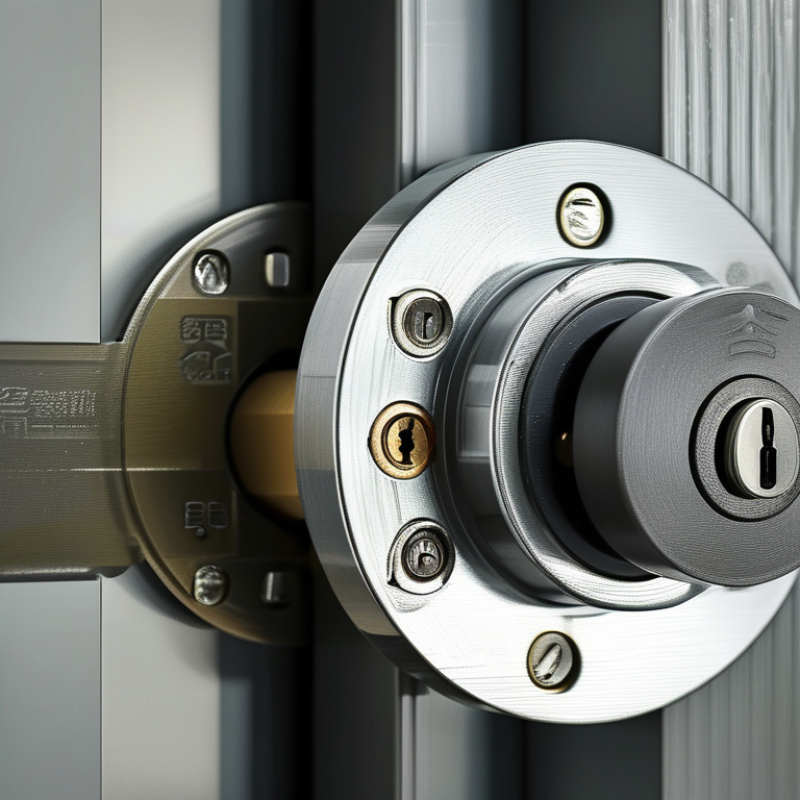
A cam lock is a common locking mechanism used across various applications, from cabinets to vending machines. It operates through a simple yet effective system. The core of the lock consists of a rotating cam that engages with a strike plate or locking point. When the key is inserted and turned, the cam rotates, securing the locked object. This design allows for a compact locking solution that is easy to install and operate.
According to the Locking Systems Industry Report, over 35% of locking solutions globally include cam locks due to their versatility and user-friendliness. Their simplicity makes them popular in residential and commercial settings, providing security without complexity.
Studies show that implementing reliable locking systems can reduce theft by up to 60%. However, the ease of use can also be a double-edged sword. In some cases, improper installation may lead to vulnerabilities, making it essential for users to ensure proper placement and security measures.
Despite their benefits, cam locks are not foolproof. They can be picked or manipulated if someone has the necessary skills. According to a security analysis by the International Association of Security Professionals, approximately 15% of thefts involve compromised locking systems. Users need to consider the specific needs of their environment.
Regular maintenance and upgrades can enhance the effectiveness of cam locks, ensuring they provide the intended security benefits.
The Anatomy of a Cam Lock: Components Explained
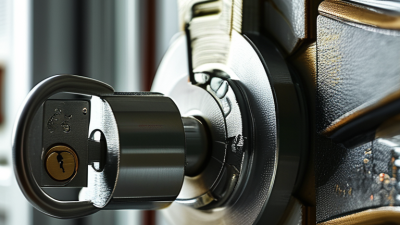
A cam lock is a simple yet effective locking mechanism commonly used in furniture, cabinets, and boxes. Understanding its components helps demystify how it operates. At its core, a cam lock consists of several key parts: the cylinder, the cam, and the key. The cylinder houses the locking mechanism, while the cam is the rotating arm that secures or releases the lock. The key, of course, is the tool used to operate the lock.
When you insert the key and turn it, the cylinder rotates. This rotation moves the cam into a locked or unlocked position. The cam engages with a striker plate, securing the door or drawer when locked. It's a straightforward process, yet the precise fitting of each component is crucial for reliable operation. If any part is worn or not aligned properly, the lock may fail, leaving your belongings vulnerable.
Tips: Regular maintenance can extend the life of your cam lock. Apply a light lubricant to the keyhole and the moving parts. This prevents dirt buildup and ensures smooth operation. If you notice stiffness, it might indicate that the lock needs attention. Consider replacing it before it completely fails. Always test the lock after adjustments or maintenance to ensure it functions as intended.
Cam Lock Component Analysis
How Cam Locks Operate: The Mechanism of Action
Cam locks are common in securing cabinets, lockers, and drawers. Their mechanism is simple yet effective. A cam lock consists of a cylindrical body and a sliding bar called a cam. When the key is inserted and turned, the cam rotates. This rotation secures or releases the locking mechanism.
The simplicity of cam locks makes them appealing. They can be installed easily in various materials, from wood to metal. However, the reliance on a key for operation can be a drawback. Lost keys can lead to frustration. Some might find it challenging to create backup keys. Additionally, wear and tear can affect how smoothly the cam turns.
Despite these minor issues, cam locks prove reliable for everyday use. Many designs exist, allowing users to choose a lock that fits their needs. Understanding the mechanics behind cam locks can empower users. They can make informed choices about where and how to use these locks effectively.
Applications of Cam Locks in Everyday Life
Cam locks are versatile fasteners widely used in everyday life. They offer a blend of simplicity and security. Common applications include cabinets, storage boxes, and lockers. Many people benefit from these locks without even knowing it. They can be found in desks at work, providing a sense of privacy. Additionally, cam locks are often used in vending machines. This ensures that products are safe until purchased.
One of the key advantages of cam locks is their ease of use. They require minimal effort to operate, making them accessible for users of all ages. However, not all cam locks are created equal. Selecting the right type is essential for ensuring durability and security. Lower-cost options may wear out quickly, leading to frustrating lockouts.
Tips: Choose high-quality cam locks for better performance. Regular maintenance can prolong the life of your locks. Always test the lock after installation to ensure it functions properly. Being mindful of your choice can prevent unexpected issues. Remember, while cam locks are reliable, they are not infallible. Regularly check your locking mechanisms to avoid complacency.
What is a Cam Lock and How Does it Work? - Applications of Cam Locks in Everyday Life
| Application Area |
Description |
Common Features |
| Furniture |
Used to secure cabinet doors and drawers. |
Easy installation, various sizes, and finishes. |
| Toolboxes |
Provides secure locking for tool storage. |
Durability, weather resistance, and security. |
| Storage Units |
Locks storage compartments to prevent unauthorized access. |
Customizable keys, multiple locking positions. |
| School Lockers |
Secures personal belongings in a school environment. |
Compact design, simple operation, and key or combination options. |
| File Cabinets |
Protects confidential documents from being accessed. |
Smooth operation, reliable security features. |
Advantages and Disadvantages of Using Cam Locks
Cam locks are popular for their simplicity and effectiveness. However, like any locking mechanism, they come with their own set of advantages and disadvantages.
One main advantage of cam locks is their ease of installation. You can install them quickly without needing special tools. This makes them ideal for various applications, from cabinets to lockers. Additionally, cam locks are generally affordable. Their design allows for multiple locking points, enhancing security. However, they may not be as pick-resistant as more advanced locks, which is a concern for some users.
On the downside, cam locks can be vulnerable to forced entry. They don’t offer the same level of security as deadbolts or traditional locks. Regular wear may also lead to difficulties in operation. Dust and debris can accumulate inside the mechanism, impacting functionality.
Tips for optimal use:
Ensure the lock is properly maintained. Periodically check for any residue that could affect operation. Consider upgrading to a more secure model if this lock is for high-value items. Be cautious about the materials chosen and their resistance to tampering.
In conclusion, while cam locks serve many purposes with certain benefits, careful consideration is necessary. Users should evaluate their own security needs before making a choice.

 Rod lock