How to Choose the Right Cam Lock for Your Security Needs?
Choosing the right cam lock is crucial for effective security. According to John Smith, a leading expert in the cam lock industry, "A cam lock can provide security, but only if chosen wisely." This highlights the importance of understanding your specific needs.
When it comes to cam locks, several factors should be considered. The material and style of the cam lock can significantly impact its effectiveness. Many options exist on the market, but not all are created equal. For instance, a high-security cam lock made of hardened steel may deter intruders better than a standard one.
It's easy to be overwhelmed by choices. Some locks might look appealing but may not meet safety standards. Trusting brands is essential. Researching and comparing different cam lock models helps ensure you make an informed decision. In the end, the right cam lock could be the difference between safety and vulnerability.
Understanding the Basics of Cam Locks and Their Functionality
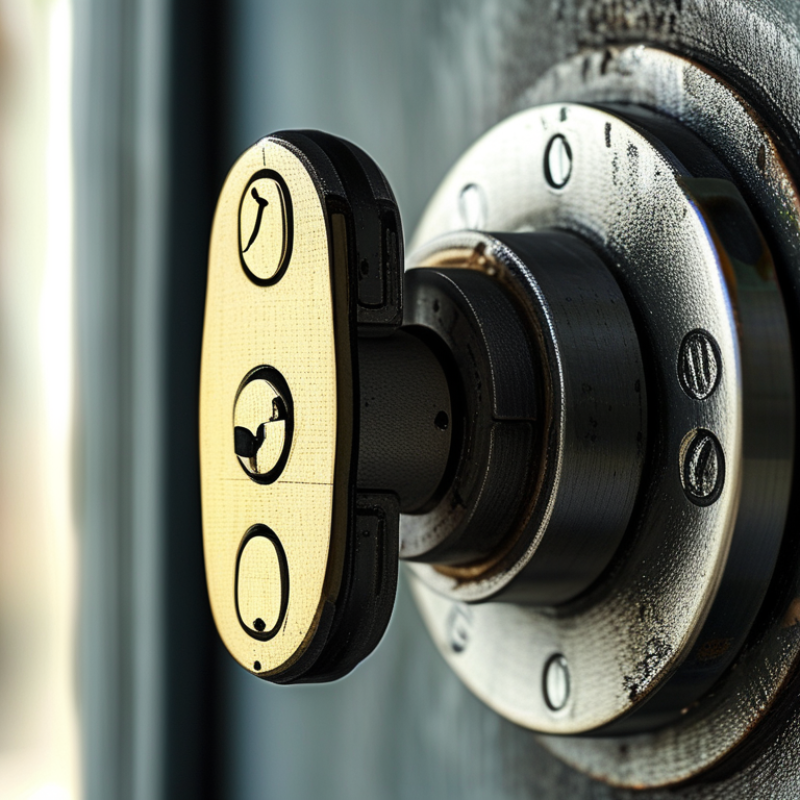
Cam locks are vital components in many security systems. Understanding their functionality can help you choose the right one. Essentially, a cam lock consists of a cylinder, a cam lever, and a key. When the right key is inserted, it turns the cylinder and moves the cam. This action either secures or releases the latch. Recent studies indicate that the right security lock can deter up to 60% of potential thefts in residential areas.
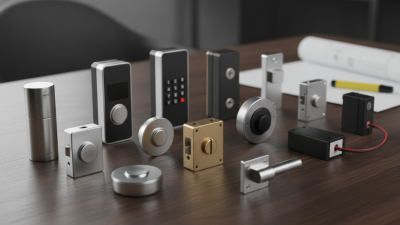
Choosing the right cam lock requires knowledge of different lock types. High-security cam locks feature pick-resistant technology. They offer superior protection, especially in commercial settings. On the other hand, standard cam locks may suffice for simpler needs, such as lockers or cabinets. Analyze your specific requirements to determine which type suits you best.
Tip: Ensure you assess the material used in your cam lock. Durable materials like stainless steel resist wear and tear, enhancing longevity.
Another critical factor is installation. Proper installation significantly impacts the effectiveness of the lock. Even the best cam locks can fail if not installed correctly. Professional installation is worth considering, especially for high-security needs.
Tip: Always test your cam lock after installation. Ensure it operates smoothly without sticking or excessive force. Regular maintenance can enhance its lifespan and reliability.
How to Choose the Right Cam Lock for Your Security Needs?
| Lock Type |
Material |
Security Level |
Application |
Price Range |
| Standard Cam Lock |
Steel |
Low |
Cabinets |
$5 - $15 |
| Heavy-Duty Cam Lock |
Zinc Alloy |
Medium |
Storage Boxes |
$15 - $30 |
| High-Security Cam Lock |
Brass |
High |
Safes |
$30 - $60 |
| Electronic Cam Lock |
Plastic/Metal Blend |
Very High |
Smart Cabinets |
$60 - $150 |
| Rekeyable Cam Lock |
Stainless Steel |
Medium |
Multiple Locks |
$20 - $50 |
Identifying Your Security Needs and Requirements
Identifying your security needs is crucial when choosing a cam lock. Start by assessing the areas you wish to secure. Are they high-traffic zones or more isolated spaces? The type of environment influences the level of security required. For example, outdoor areas demand more robust materials to resist weather. In contrast, indoor spaces might only need basic protection.
Consider the specific items or assets you need to secure. Valuable equipment or sensitive documents require higher security standards. Evaluate the potential threats too. A low-risk environment may suffice with a simple lock. However, high-risk scenarios may mandate advanced features like drill resistance or pick-proof mechanisms.
Reflect on your daily operations. Are locks frequently used, or do they remain untouched? Over-engineered locks in low-use areas can be a hassle. In such cases, balance convenience and security. It’s important to reconsider your choices periodically as security threats evolve. What worked before may not suit future needs.
How to Choose the Right Cam Lock for Your Security Needs?
Evaluating Different Types of Cam Locks Available
When evaluating different types of cam locks, consider your
specific security needs.
Cam locks come in various styles, each suited for unique applications. A
basic cam lock is easy to install and provides adequate security
for lighter applications. However, it may not be the best choice for
high-security areas.
High-security cam locks provide advanced features, such as
drill resistance and
restricted keyways. Their added complexity can deter
unauthorized access effectively. Yet, these locks often come with
higher costs. The trade-off between
budget and
security level is crucial to your choice.
Also, assess the
material quality. Steel cam locks offer durability, while
zinc alloy options provide a balance between cost and strength.
Some locks may not perform well in
harsh environments. Reflecting on your priorities
helps identify what’s essential. Choosing the right cam lock can be a
process of trial and error, and it's
important to review your decision periodically.
Comparing materials and durability of cam locks
Choosing the right cam lock involves understanding materials and durability. Common materials include zinc alloy, stainless steel, and plastic. Each offers different levels of security and longevity.
Zinc alloy is popular for its cost-effectiveness. It is durable but may corrode over time if not treated properly. A study indicated that cam locks made from untreated zinc alloys can show signs of wear within two years, especially in humid climates. In contrast, stainless steel locks provide higher resistance to corrosion and physical attacks. They often last longer and maintain integrity even in harsh environments.
Plastic cam locks are lightweight and inexpensive. However, they typically do not withstand heavy physical stress. Reports show that plastic locks have a higher failure rate under force, often breaking or deforming. This highlights the importance of selecting a lock based on intended use.
For maximum security, consider environmental factors. Ensure that the material chosen aligns with both weather conditions and potential threats. Reflecting on these factors can lead to more informed decisions.
Installation and Maintenance Tips for Optimal Security
When it comes to securing your belongings, choosing the right cam lock is crucial. Installation plays a key role in ensuring optimal performance. First, verify that your lock fits the intended space. A snug fit prevents any potential tampering.
Check the lock's orientation before installation. Misalignment can hinder functionality. Use the right tools and follow the manufacturer’s guidelines. Ensure the lock is flush to the surface. After securing it, test the mechanism several times. A smooth operation indicates a proper installation.
Maintenance is equally important. Regularly inspect the lock for signs of wear. Dust and debris can accumulate over time. Clean the lock gently with a soft cloth. Apply lubricants designed for locks. This will enhance performance and extend its lifespan.
Avoid over-lubricating; too much can attract dirt. Replacement may be necessary if you notice increased resistance or difficulty in operation. Stay vigilant and responsive to any changes in your lock’s behavior. Keeping your cam lock in top shape ensures it serves its purpose effectively.

 Rod lock