How to Use Rod Lock for Ultimate Stability in Your Projects?
In the world of construction and DIY projects, stability is key. Every builder knows that a solid foundation can make or break the outcome. Here, "Rod Lock" emerges as an essential tool in achieving that desired stability. It ensures your structures hold together under pressure.
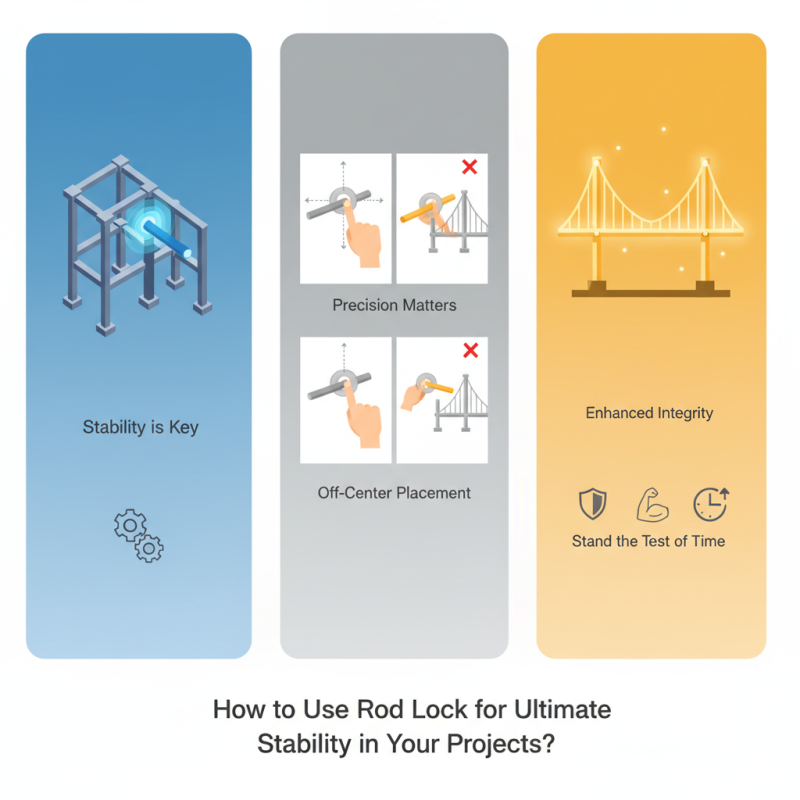
Using Rod Lock is straightforward but requires attention. It involves inserting rods into designated slots. This might seem simple, yet the precision matters greatly. An off-center placement can lead to misalignment in the overall structure.
Mistakes happen. Perhaps you’ve had challenges with alignment in the past. Remember, even minor adjustments can drastically enhance your project’s integrity. In this article, we will explore the advantages of utilizing Rod Lock and how it can empower you to create stable, reliable projects that stand the test of time.
Understanding the Concept of Rod Lock and Its Applications
Rod lock is an innovative solution for enhancing the stability of your projects. By securely fastening rods in place, it minimizes unwanted movement. This technology is widely applicable in various fields, such as construction, furniture design, and automotive engineering. Understanding how to implement rod locks can lead to better project outcomes.
Using rod locks is straightforward. First, ensure the rod is clean and free of debris. A dirty rod could affect the effectiveness of the lock. Second, align the rod with the locking mechanism. Proper alignment is crucial for a secure fit. Lastly, apply pressure to engage the lock fully. An incomplete engagement can lead to instability.
**Tips:** Always test the lock after installation. A simple shake can reveal potential issues. Regular maintenance is also essential. Check for wear and tear. If the rod shows signs of loosening, consider replacing it. Remember, even a minor oversight can compromise your project’s integrity. Stay vigilant and proactive.
How to Use Rod Lock for Ultimate Stability in Your Projects? - Understanding the Concept of Rod Lock and Its Applications
| Project Type |
Rod Lock Application |
Material Used |
Stability Rating |
Notes |
| Construction |
Structural Support |
Steel |
High |
Ideal for heavy load-bearing structures |
| Furniture |
Leg Stability |
Aluminum |
Medium |
Supports adjustable height mechanisms |
| Camping |
Tent Poles |
Fiberglass |
Moderate |
Provides easy setup and removal |
| Automotive |
Lift Arms |
Carbon Fiber |
Very High |
Maximizes vehicle load stability |
Key Benefits of Using Rod Lock for Project Stability
When working on projects, stability is often a key concern. Using rod locks can significantly enhance this aspect. These devices provide a mechanism to fasten components securely. They prevent unwanted movement or shifting, which can lead to costly mistakes. Imagine building a structure that needs to withstand various forces. The last thing you want is for parts to slide out of place.
One important benefit of rod locks is their versatility. They can be used in various applications, from furniture assembly to industrial settings. This adaptability makes them essential tools for builders and DIY enthusiasts alike. The installation process can be straightforward, but it requires careful alignment. Misalignment may result in compromised stability, a detail that should not be overlooked.
Another advantage is the ease of adjustment. Rod locks allow for fine-tuning during the construction phase. This flexibility can be a double-edged sword. Too much adjustment might lead to overcompensation, causing issues later on. Careful thought must be given to how much movement is necessary. Ultimately, embracing the benefits of rod locks means balancing stability with the need for adjustments.
Step-by-Step Guide on Installing Rod Lock Effectively
Installing a rod lock can enhance stability in various projects, particularly in construction and furniture assembly. According to a report from the Structural Engineering Institute, proper locking mechanisms significantly reduce the risk of structural failure by up to 30%. To achieve this, it's crucial to follow an effective installation process.
Begin by selecting the right rod lock for your project. Measurement is key. Ensure that the diameter of the rod matches the lock specifications. An incorrect fit can lead to poor performance. Clean the installation area thoroughly. Dust and debris can hinder the locking mechanism.
Next, align the rod lock with precision. Use markers to outline where it will be placed. Drill holes accurately, considering the manufacturer’s guidelines. It’s easy to misjudge angles, so take your time. After securing the lock, test its grip. A snug fit is essential. If the lock feels loose, re-evaluate your installation process. Even minor errors can compromise stability. Always remember, careful steps lead to better outcomes.
Common Mistakes to Avoid When Using Rod Lock
When using rod locks, many users make critical mistakes that compromise their project's stability. One common pitfall is incorrect placement of the locks. According to industry studies, improper positioning can reduce support strength by up to 40%. Users often fail to align the lock with the load's center of gravity. This oversight can lead to tipping and even structural failure.
Another frequent error involves neglecting to check compatibility with materials used. Not all rod locks suit every type of material. Using a lock designed for wood on metal can significantly affect performance. A report from the Structural Engineering Institute notes that mismatched components lead to 30% of project failures. Users often ignore specifications, resulting in wasted time and material.
In addition, many overlook routine inspections of the rod locks. Wear and tear can degrade effectiveness. Regularly checking locks can prevent sudden breakdowns. Surprisingly, only about 25% of users adhere to this fundamental maintenance routine. Ignoring this can leave projects vulnerable to unforeseen issues.
Maintenance Tips for Long-lasting Stability with Rod Lock
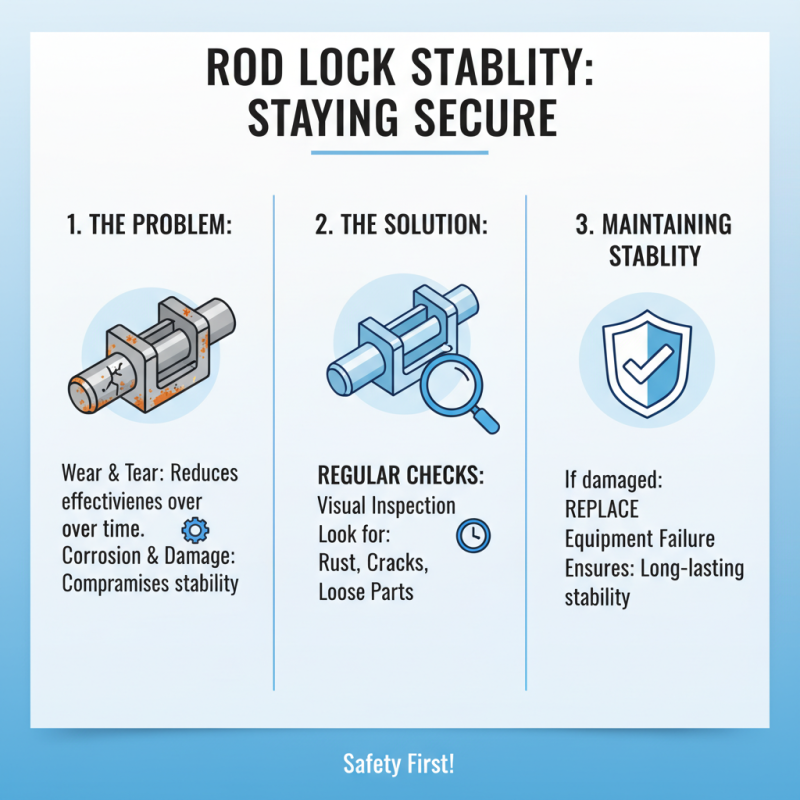
To maintain long-lasting stability with rod locks, regular checks are vital. Over time, wear and tear can compromise effectiveness. Inspect your rod locks for signs of corrosion or damage. A simple visual check can reveal potential issues. If they look rusted or cracked, replacement may be necessary.
Proper installation also plays a key role. Ensure that your rod locks are secured correctly. Loose fittings can lead to instability. Misalignment can cause undue stress, leading to premature failure. It’s a detail that’s easy to overlook. Tightening screws or adjusting the alignment can make a significant difference.
Lastly, consider environmental factors. Humidity and temperature changes can affect performance. If your project is in a damp area, additional protective measures may be needed. While using rod locks, remember that conditions can change. A little attention to these details can enhance stability in the long run. Reevaluate your setup occasionally. What worked well last season may not be as stable now.

 Rod lock