Top 10 Pull Latch Types You Should Consider for Your Projects?
Pull latches are essential components in various projects. They offer convenience and functionality for securing doors, cabinets, and more. The right pull latch can enhance the design and usability of your project. This article explores the top 10 pull latch types available today, each with unique features and advantages.
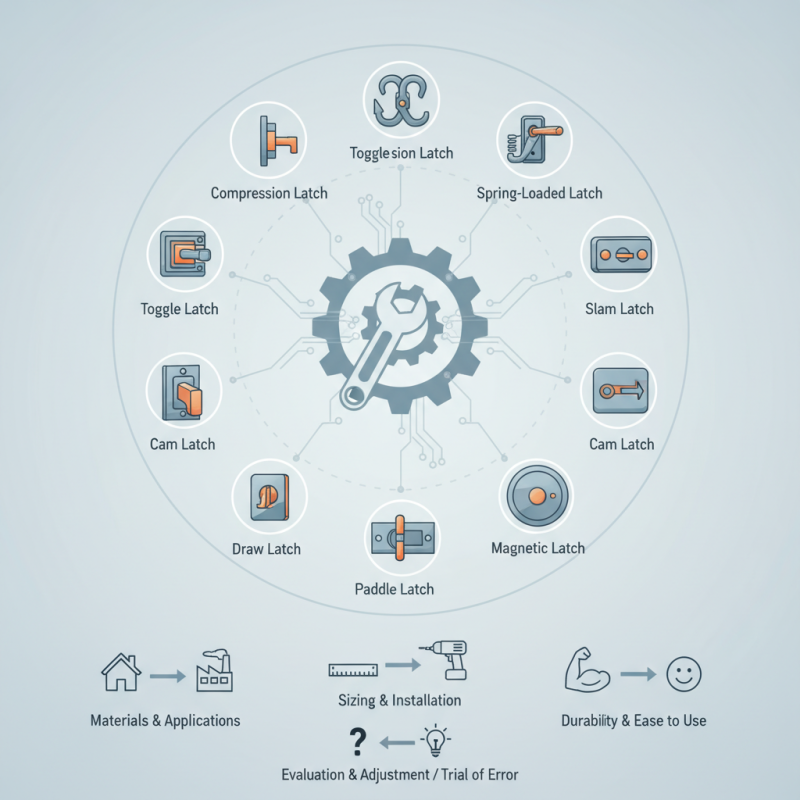
When selecting a pull latch, consider the materials and applications. Some latches are designed for specific environments, while others are versatile. You might find that a latch suitable for outdoor use may not work well indoors. Experimenting with different styles can lead to surprising results. The perfect latch can sometimes require trial and error.
Don’t overlook the importance of sizing and installation. A pull latch that seems ideal may not fit every application perfectly. And it’s essential to check for durability and ease of use. Finding the right pull latch involves careful consideration of your project needs. Remember, not every option will meet your expectations, and that’s okay. Embrace the process of evaluation and adjustment.
Understanding Pull Latches: Definition and Functionality
Pull latches are vital components in many applications, offering reliable closure solutions. The definition of a pull latch is simple: it is a mechanism designed to keep doors or panels securely shut. Their functionality is equally straightforward; they allow for easy access while ensuring strong closure when needed. According to a market analysis report by Grand View Research, the demand for heavy-duty latches in various industries is projected to grow by 7.2% annually through 2028.
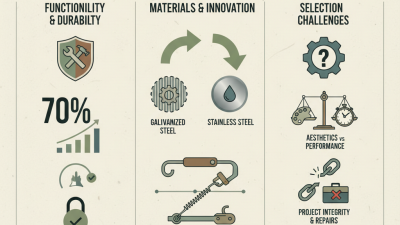
Modern pull latches are available in diverse materials and designs. Some use plastic, while others feature metal constructions. The choice of material impacts durability and performance. For instance, metal latches generally provide stronger security but may be prone to rust in moist environments. Poor selection can lead to operational failures, which often require redesign or replacement. Keeping these factors in mind is essential for project success, as the right latch can enhance functionality while the wrong choice may lead to costly errors.
Data from Technavio reveals that improper installation can reduce a latch's effectiveness by up to 30%. Many projects overlook this aspect, leading to performance issues down the line. Users must pay close attention to installation guidelines and maintenance practices. Rethinking your approach towards pull latches can improve not just the latch's lifespan but also the overall efficiency of your project.
Types of Pull Latches: A Comprehensive Overview
When selecting a pull latch type, understanding the options is crucial. There are various designs, each with unique functions. For instance, the standard pull latch is designed for versatility. It’s effective in both residential and industrial applications. According to industry reports, nearly 50% of manufacturers prefer standard pull latches due to their durability.
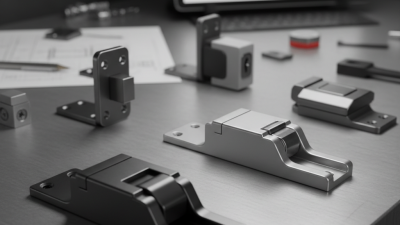
Another type is the heavy-duty latch, which often supports greater weight. This makes it suitable for doors and gates that demand security. Data shows that heavy-duty options account for about 30% of pull latch sales in the North American market. However, their installation can pose challenges. Many users overlook the need for proper alignment, leading to potential operational issues.
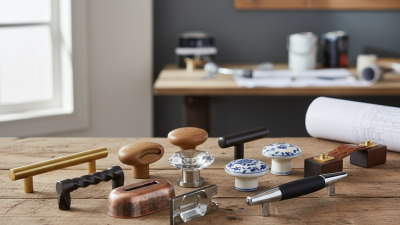
Specialized pull latches, like cam and toggle latches, offer distinct advantages. They provide enhanced aesthetics and functionality. Yet, not every project requires these intricate designs. Conducting a thorough assessment before making a choice is essential. Some projects may benefit from simpler, more cost-effective solutions. This reflects the importance of balance between design complexity and utility.
Factors to Consider When Choosing Pull Latches
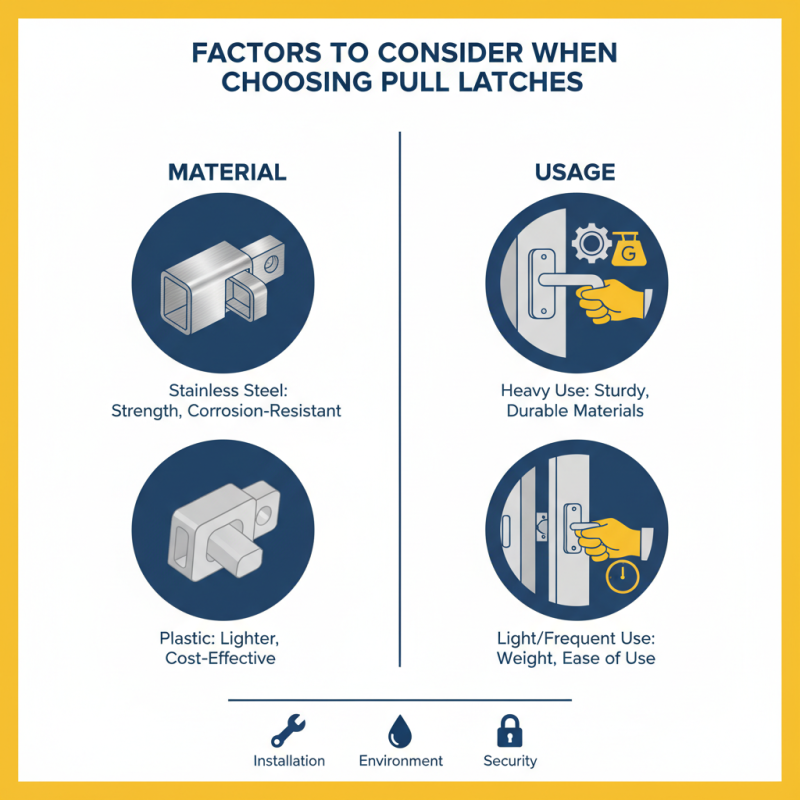
When selecting pull latches for your projects, several factors come into play. The material of the latch matters a lot. Stainless steel offers strength, while plastic is lighter and more cost-effective. Think about the weight and frequency of use for your application. If you expect heavy use, sturdy materials are a must.
Sizing is another crucial element. Not all latches fit every design. Measure your space to ensure a proper fit. You want the latch to function smoothly. Tight spaces may require compact designs. Always check the latch's installation requirements. Some may need extra tools.
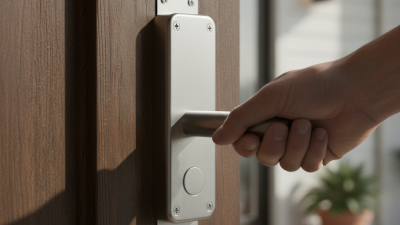
Don't overlook the latch's release mechanism. A simple pull is often best for ease of use. Complicated mechanisms can lead to frustration. The finish and aesthetics also play a role. A nice finish can improve the overall look of your project. Experiment with different styles, but keep functionality in mind. Think about the environment too. If moisture is a concern, choose corrosion-resistant options. Reflect on your choices as you go.
Applications of Pull Latches in Various Industries
Pull latches are versatile devices. They find applications across many industries. In transportation, for example, pull latches are crucial for securing compartments. They ensure that cargo remains safe during transit. This enhances both safety and efficiency.
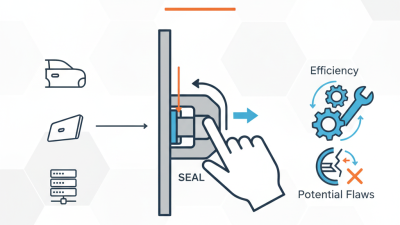
In the electronics industry, pull latches hold enclosures. They safeguard sensitive components from dust and moisture. Proper sealing is essential for equipment longevity. Well-designed latches can enhance operability. Yet, poor latch choice may lead to equipment failure. Choosing right is critical, but not always easy.
The furniture industry also makes use of pull latches. They provide a sleek, modern look. Pull latches can simplify access to storage. However, their installation can be tricky. Careful consideration of the type is necessary. Selecting a latch that matches your design is important. It impacts both function and aesthetics.
Comparative Analysis: Features of the Top 10 Pull Latch Types
When exploring pull latch types, it is crucial to know their various features. Pull latches are essential in ensuring secure closures in multiple applications. Industry reports indicate that over 60% of consumers prioritize durability when selecting pull latches. They also look for ease of use and installation. Choosing the right type can greatly affect project outcomes.
The materials used in pull latches vary widely, including stainless steel, plastic, and aluminum. Each material has unique benefits. For example, stainless steel offers corrosion resistance, making it ideal for outdoor use. Meanwhile, plastic latches can be lighter and more cost-effective but may lack the same durability. In fact, a study found that plastic latches failed under heavy stress 30% of the time, raising concerns for some users.
Some designs also include features like a locking mechanism or a quick-release option. These features enhance user convenience. However, not all designs are user-friendly. In some cases, complex mechanisms can confuse users. This highlights the need for careful analysis when selecting pull latches for specific applications. Detailed features should not overshadow the importance of functionality.

 Rod lock