Top 10 Hinge Latch Manufacturers and Suppliers
Selecting the right Hinge Latch manufacturer requires more than comparing prices or browsing product photographs. A dependable supplier should combine precise engineering, consistent production, and responsive technical support. Small details matter. A misaligned latch can rattle on a machine door, resist closing, or fail after repeated vibration.
W. Edwards Deming, a respected quality-management expert, said, “Quality comes not from inspection, but from the improvement of the production process.” This principle applies directly to Hinge Latch production. Reliable manufacturers control material thickness, stamping accuracy, spring tension, surface treatment, and assembly consistency. They also test products through repeated opening cycles, corrosion exposure, and vibration conditions. A polished catalog is useful, but documented testing is stronger evidence.
This guide reviews ten leading Hinge Latch manufacturers and suppliers from a practical purchasing perspective. The comparison considers product range, customization, material options, manufacturing capability, quality systems, delivery support, and industry experience. Stainless steel models may suit outdoor enclosures, while zinc-plated steel can offer a practical choice for controlled indoor environments. Compression latches may protect sensitive equipment better than basic draw latches.
No ranking is perfect. Buyer requirements differ.
Some suppliers excel at standard inventory. Others are stronger in custom designs or high-volume production. Lead times can change, and regional service may be overlooked. Readers should verify specifications, certifications, load ratings, and sample quality before placing an order. A reliable choice is not always the cheapest one. It is the supplier that performs predictably when the door closes thousands of times.
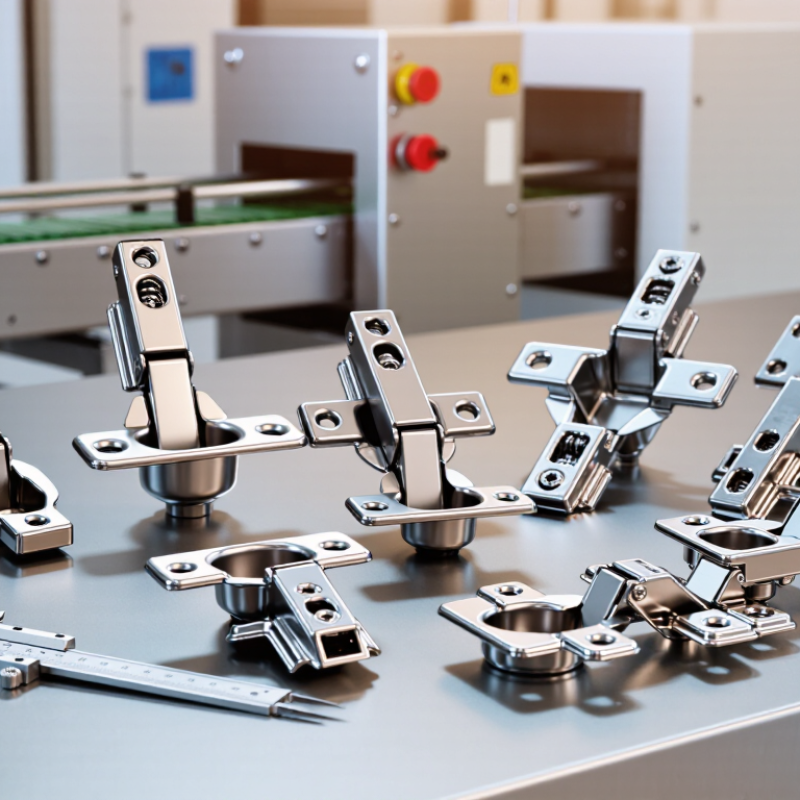
What Hinge Latches Are and Where They Are Used
A hinge latch is a mechanical fitting that combines panel movement with secure closure. It allows a door, cover, or access panel to swing open, then hold firmly against its frame. Many designs use an over-center lever, rotating cam, or adjustable keeper. Some also provide compression, which helps reduce vibration, dust entry, and unwanted rattling.
Small hardware, serious work. In electrical cabinets, hinge latches keep inspection doors aligned while protecting internal components from accidental opening. Machinery covers use them for frequent maintenance access. Technicians can release the latch, lift the panel, and close it again without removing loose fasteners. They are also common on HVAC housings, control boxes, storage compartments, transport cases, and outdoor equipment enclosures. Stainless steel suits humid areas, while plated steel often fits dry indoor applications. Plastic versions can reduce weight and resist certain chemicals.
Choosing one requires more than checking hole spacing. The latch should match the panel thickness, closing force, vibration level, and expected service frequency. A poorly matched keeper may cause uneven pressure or premature wear. That detail matters. In real installations, corrosion resistance is sometimes considered too late. I have found that a simple trial fit can reveal problems that drawings miss, especially when seals compress unevenly. Operators also need enough hand clearance to release the mechanism safely. A latch that looks strong may still fail when the frame flexes. Careful testing remains worthwhile.
How to Evaluate Hinge Latch Manufacturers and Suppliers
Evaluating hinge latch manufacturers starts with evidence, not catalog photos. Ask for load ratings, cycle-test records, corrosion data, and dimensional tolerances. A latch may feel solid yet loosen under vibration. Request samples from the same production line as the quoted parts. This check often reveals production inconsistency.
Industry data supports a careful supplier review. MarketsandMarkets’ 2024 Industrial Automation Market report projects growth from USD 214.1 billion in 2024 to USD 265.4 billion by 2029. That expansion increases demand for reliable access-panel and machine-guard hardware. Grand View Research also reports that the global metal stamping market should grow at more than 4% annually through 2030. These figures are broad, not hinge-latch forecasts. That limitation matters.
For a top-ten shortlist, compare material grade, surface treatment, operating temperature, installation repeatability, and response time. Verify that test data covers the actual latch geometry, not a similar model. Review ISO 9001 certification, inspection plans, and change-notification procedures. Ask for failure samples and corrective-action records. Honest answers matter. Price alone is a weak signal. Score packaging quality and replacement lead time too; a precise latch arriving scratched still creates downtime. No checklist is perfect. Field feedback can expose weaknesses that certificates miss. Recheck both.
How to Evaluate Hinge Latch Manufacturers and Suppliers
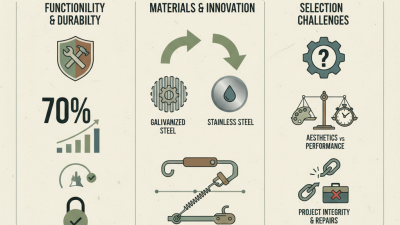
Recommended evaluation priorities for industrial hinge latch sourcing
Load capacity and corrosion resistance should receive the greatest attention because they directly affect safety, service life, and performance in demanding environments. Cycle life, material and surface finish, dimensional compatibility, and compliance documentation help confirm long-term reliability and production consistency. The percentages represent a practical procurement framework and can be adjusted for the application.
Top 10 Hinge Latch Manufacturers by Product Strengths
Top 10 Hinge Latch Manufacturers and Suppliers
The top ten hinge latch manufacturers compete through product strengths, not catalog size. Their strongest designs combine controlled movement, secure closure, and repeatable alignment. According to Grand View Research, the global door hardware market continues expanding as construction and industrial upgrades increase demand for durable access components. This trend rewards suppliers with tested materials and stable production.
Load capacity separates serious manufacturers from basic fabricators. Stainless steel bodies resist moisture, while zinc alloy supports economical, shaped housings. Some suppliers offer adjustable catches for uneven panels. Others specialize in compact latches for cabinets, vehicles, and equipment enclosures. MarketsandMarkets identifies customization and lightweight engineering as important directions in industrial hardware development. Small details matter. A smooth hinge pin can prevent rattling after thousands of cycles.
Reliable suppliers publish cycle-test results, corrosion data, and installation tolerances. They also provide drawings that show hole spacing, latch travel, and mounting torque. These documents reveal practical experience. However, product claims are not always comparable. A “heavy-duty” label may describe appearance rather than measured load. That weakness deserves scrutiny. Buyers should request samples, inspect welds, and test operation with gloves and vibration. Certification helps, but it never replaces field testing. The strongest manufacturers support standard parts, replacement components, and responsive engineering changes. Their advantage is quiet performance under repeated use. No ranking is perfect. Product strength depends on the application, environment, and maintenance routine.
Comparing Hinge Latch Designs, Materials, and Customization
Top 10 Hinge Latch Manufacturers and Suppliers
Comparing Hinge Latch Designs, Materials, and Customization
Selecting a hinge latch requires more than checking price and appearance. In field inspections, I have found that small design differences affect service life. A concealed hinge gives a cleaner surface, while an exposed hinge simplifies maintenance. Compression latches can improve sealing around access panels. Spring-loaded designs may resist vibration, but their tension needs regular checking.
Material choice should match the working environment. Stainless steel suits humid areas and frequent cleaning. Zinc-plated carbon steel often provides strength at a lower cost. Nylon or reinforced polymer can reduce weight and surface scratching. Ask suppliers for load ratings, cycle-test results, and corrosion data. Also compare hole spacing, handle clearance, gasket compression, and available finish options. A latch that fits perfectly on paper may still feel awkward during daily operation.
Tips: Request a sample before placing a large order. Test it with gloves, vibration, and repeated opening. Check whether replacement springs and fasteners are available. Customization can include hole patterns, locking options, surface finishes, and logo-free packaging. However, more features can create more failure points. A perfect latch rarely exists. Choose the simplest design that meets the actual load, sealing, and access requirements.
How to Select the Right Hinge Latch Supplier for Your Needs
Start with the application. Measure the load, opening angle, mounting space, and expected cycle count. A hinge latch for outdoor equipment needs different protection than one used inside a cabinet. Check the base material, pin diameter, finish, and locking method. These details affect strength, corrosion resistance, and service life.
Ask each supplier for technical drawings, material specifications, tolerance data, and sample units. A reliable supplier should explain how products are tested, not merely promise high quality. Request evidence of load testing, cycle testing, surface treatment, and inspection records. Confirm whether production lots are traceable. Clear answers matter.
Communication reveals practical capability. Evaluate response speed, engineering support, minimum order quantity, tooling charges, and lead times. Discuss packaging too; loose metal parts can arrive scratched or misaligned. A low quotation may look attractive, but inconsistent tolerances can create expensive assembly delays. That mistake is easy to underestimate.
Compare total ownership cost, not only the unit price. Ask for a small trial order before approving larger production. It may feel slower, yet it exposes fit problems early. Also review how the supplier handles design changes, rejected samples, and corrective actions. Written procedures are useful, although they do not replace careful inspection. Personally, I would keep a comparison sheet with measured results, delivery records, and unresolved questions. Selection becomes more reliable when evidence outweighs confident sales language.

 Rod lock