China Top 10 Flip Lock Manufacturers for Global Buyers
Choosing reliable hardware suppliers can shape an entire project’s safety, cost, and delivery schedule. This guide, “China Top 10 Flip Lock Manufacturers for Global Buyers,” introduces manufacturers serving shipping containers, trailers, industrial cabinets, and related applications. The goal is practical comparison, not exaggerated promotion.
A dependable Flip Lock should match the required dimensions, load conditions, mounting method, and operating frequency. Buyers should examine steel grade, surface treatment, corrosion resistance, welding quality, and cycle-test records. Small details matter. A rough hinge can delay assembly. Weak coating may fail near saltwater. Inconsistent holes can create expensive rework.
The selected companies are reviewed through manufacturing experience, product range, quality systems, export capability, and customer support. Factory capacity alone is not enough. Reliable suppliers should provide clear drawings, samples, inspection reports, packaging details, and realistic lead times. Certifications may strengthen confidence, but they should be verified for the exact product and current production site.
No ranking can fit every purchasing requirement. Some information may change after publication, especially pricing, capacity, and export arrangements. Buyers should request recent samples and confirm specifications before placing orders. That step is often overlooked.
Experience remains important. A supplier that understands repeated installation problems can offer more useful guidance than one with attractive photographs. Communication also deserves attention. Fast replies are helpful, but accurate replies matter more. This overview aims to help global buyers form a dependable shortlist, compare evidence carefully, and select a Flip Lock manufacturer suited to their actual project conditions.
Flip Lock Manufacturers: Definition, Types, and Global Applications
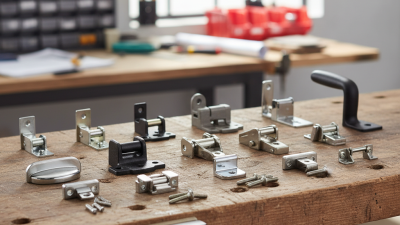
Flip lock manufacturers produce fastening hardware that secures panels, doors, cases, cabinets, and transport equipment. A flip lock usually combines a base, pivoting lever, and keeper. When closed, the lever creates clamping force and resists vibration. When opened, it releases quickly without separate tools.
Common types include draw latches, toggle latches, compression locks, flush-mounted locks, and adjustable models. Stainless steel suits outdoor and marine environments. Zinc-plated steel offers practical strength for industrial equipment. Aluminum reduces weight in portable cases. Buyers should examine load capacity, corrosion resistance, mounting dimensions, and cycle performance. A polished finish alone proves little.
Global applications vary widely. Machinery builders use compression locks on electrical cabinets and inspection doors. Transport manufacturers install heavy-duty latches on trailers, service boxes, and storage compartments. Case producers prefer recessed versions that protect nearby surfaces. In humid workshops, poor drainage can cause hidden corrosion around the mounting holes. This detail is easy to miss.
Experienced buyers request material certificates, dimensional drawings, sample testing, and batch inspection records. They should also confirm whether the lock remains secure after repeated vibration and temperature changes. Some suppliers provide impressive laboratory figures, but field conditions can be less forgiving. That assumption needs testing. A reliable manufacturer explains tolerances clearly and accepts reasonable design adjustments. The best selection balances security, access speed, service life, and total installation cost.
Key Criteria for Evaluating Flip Lock Manufacturers
When evaluating flip lock manufacturers, inspect more than appearance and quoted price. A reliable supplier should explain material grades, surface treatment, spring strength, and dimensional tolerances. Ask for drawings with revision numbers. Details matter. Request samples from regular production, not only a polished showroom sample.
Quality evidence should be practical and traceable. Review cycle-testing records, corrosion-resistance results, and inspection plans for incoming materials. Check whether each batch receives a production code. An experienced manufacturer will identify failure points, such as loose pivots, sharp edges, or uneven closing force. Test it twice. Operate samples with gloves and ordinary tools. Small handling problems often become costly complaints.
Production capability also deserves careful questioning. Confirm tooling ownership, monthly capacity, backup equipment, and realistic lead times. Ask how defects are isolated before shipment. Clear answers are stronger than impressive certificates without supporting records. Export documentation should match the destination market and product specification. Communication matters when dimensions change. A supplier that records approvals can prevent confusion across time zones. No factory is perfect, and buyers should not expect zero variation. However, vague corrective actions are a warning. One weakness in my own evaluation approach is relying too heavily on first samples. A second sample from a later batch can reveal consistency more honestly.
China’s Top 10 Flip Lock Manufacturers for International Buyers
China’s top 10 flip lock manufacturers for international buyers should be assessed through evidence, not catalog claims. UNCTAD’s Review of Maritime Transport 2024 reported global maritime trade reached about 12.3 billion tons in 2023. This scale supports continuing demand for reliable container securing hardware.
Look for manufacturers with documented experience in forged steel, corrosion protection, and load testing. Ask for material certificates, batch traceability, and independent inspection records.
ISO 1161:2016 defines key requirements for container corner fittings, while ISO 1496-1 addresses freight container performance. A capable supplier should explain how its flip locks relate to these standards. Not every product needs identical certification. The application must decide the test plan.
Factory visits reveal details that websites often hide. Check stamping clarity, hinge movement, weld consistency, coating thickness, and packing strength. Salt-spray results matter near ports. So does replacement availability. Short lead times can still conceal unstable production.
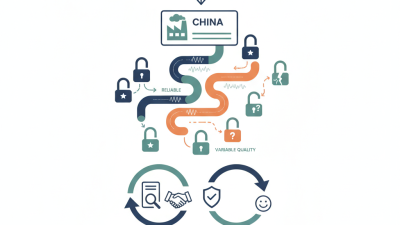
Some buyers focus too heavily on unit price. That is risky. A cheaper lock may require more inspections, replacements, or field labor. Request samples from several shortlisted factories and compare measurements under the same conditions. In my experience, communication quality is an early reliability signal. Yet it is not proof. Recheck every promise through controlled testing, because even an experienced manufacturer can deliver inconsistent batches.
Product Quality, Customization, Pricing, and Compliance Comparison
For global buyers comparing ten flip lock manufacturers, quality should be tested, not inferred from polished catalogs. Ask for dimensional tolerances, load-cycle results, corrosion-test conditions, and inspection records. A sample should close smoothly after repeated operation; a stiff latch is a warning, even when its finish looks excellent. The World Bank’s 2023 Logistics Performance Index assessed 139 countries across customs, infrastructure, shipment reliability, and related measures. That context matters: a capable factory still needs dependable export handling. McKinsey’s 2024 supply-chain research reported that nine in ten surveyed companies had faced supply-chain challenges in the previous year. Ask suppliers how they manage material shortages and delivery changes. Not everything shows.
Customization can mean more than changing a handle or finish. Compare drawing support, tooling charges, minimum order quantities, prototype timing, and who owns approved tooling. Request a written quotation that separates unit price, packaging, inspection, and freight assumptions; the lowest unit price may not be the lowest landed cost. Compliance also needs careful checking. Ask for material declarations and relevant test reports, then confirm they match the product configuration and destination market. Requirements vary, and a certificate for one component may not cover the complete lock. A practical comparison sheet helps, but it can miss workshop realities. A short factory audit or live production sample can reveal inconsistent assembly, loose fasteners, or finish defects before a large order.

 Rod lock