How to Use Rod Lock for Secure Fishing and Storage Solutions?
When it comes to fishing, organization and security are key. The Rod Lock system offers innovative solutions for both. Whether you are a seasoned angler or a weekend hobbyist, maintaining your fishing rods is crucial. A reliable storage solution can prevent damage and prolong the life of your equipment.
Rod Lock is designed to secure your valuable gear. It provides a sturdy grip to keep rods in place, reducing the risk of accidents. With a simple installation process, you can set it up quickly. This can be especially helpful when transporting your rods to various fishing spots. The ease of use makes Rod Lock an essential addition to your fishing toolkit.
However, users often overlook the importance of checking their equipment regularly. Ensuring that the Rod Lock functions properly is vital. It's important to reflect on your fishing habits and storage practices. A little time spent on maintenance can lead to more successful trips.
How Rod Lock Enhances Security for Fishing Rods and Gear
Fishing gear can be quite an investment. Protecting your rods and equipment is essential.
Rod Lock can enhance security in significant ways.
It provides a reliable means of securing your rods in place. This feature helps prevent theft and damage,
especially when you’re on the go.
Utilizing rod locks can reduce the risk of losing gear. Imagine discovering your beloved fishing rod missing.
It’s frustrating. Here’s a tip: Always ensure your rods are locked when transporting them.
This can save you a headache later.
Storage can be a concern too.
Rod Lock gives you peace of mind. Organizing your gear is vital.
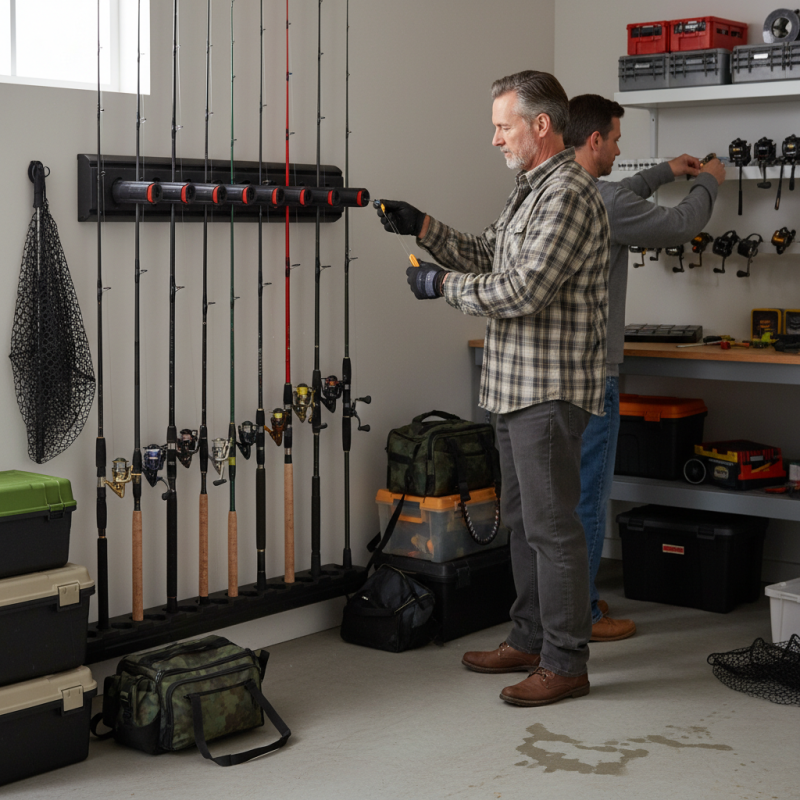
Consider using rod locks to keep everything secured at home. A cluttered space can lead to accidents.
Keep your area neat.
It’s a small change that can improve your experience.
In the end, investing time in securing your fishing gear pays off.
Understanding the Components of a Rod Lock System for Fishing
A rod lock system is essential for anglers looking for efficient storage and security. It protects fishing rods from damage and theft. With a simple design, it includes key components like brackets, locking mechanisms, and straps. Each part plays a crucial role in ensuring your gear stays safe. The brackets attach firmly to a surface, providing stability. The locking mechanism secures the rods, preventing accidental removal.
Understanding these components helps in choosing the right setup for your needs. It's important to ensure that the rod is locked correctly. Misalignment can lead to issues. Straps should be tightened enough to prevent movement but not so much that they risk damaging the rod. Regular checks on the system's integrity are essential. Over time, components may wear out or loosen. A wonderfully maintained rod lock system can significantly enhance your fishing experience.
Benefits of Using Rod Lock in Preventing Theft and Damage
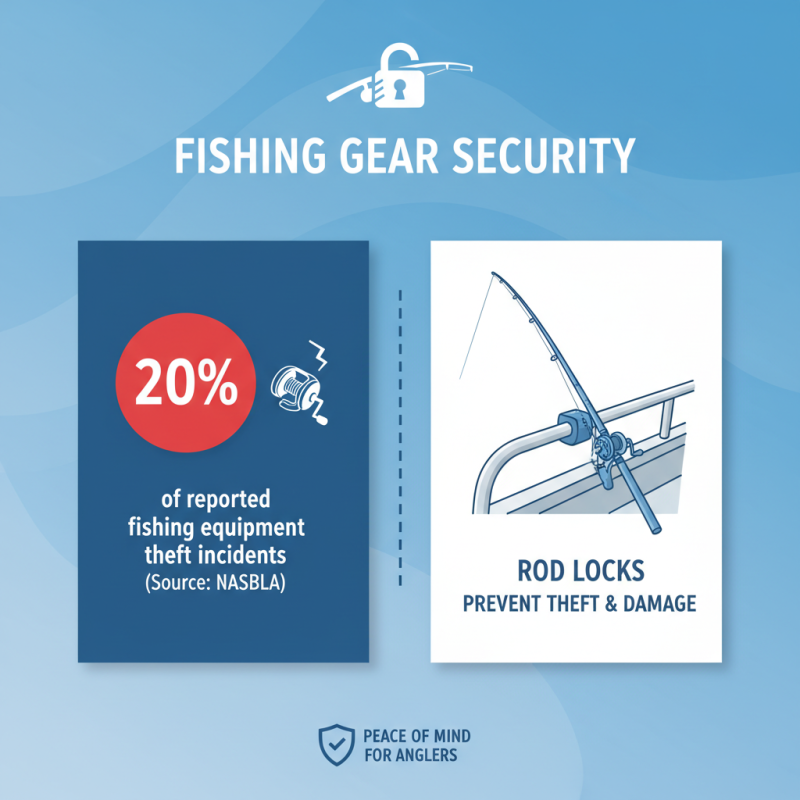
When it comes to fishing gear, security is paramount. The use of rod locks provides a tangible solution for preventing theft and damage. According to a report from the National Association of Boating Law Administrators, theft of fishing equipment accounts for nearly 20% of reported incidents. This data highlights a significant risk for anglers, especially in public or high-traffic areas.
Implementing rod locks offers protection against these threats. These devices physically secure rods to a boat or storage area, reducing the chances of them being stolen. A survey by the American Sportfishing Association indicates that 40% of anglers have experienced some form of gear loss. With the right rod lock, anglers can enjoy peace of mind knowing their investment is safeguarded.
Additionally, rod locks can prevent accidental damage caused by poor handling or environmental factors. For instance, unsecured rods may clatter together in rough waters, leading to breakage. The International Game Fish Association notes that roughly 30% of fishermen report damage to their equipment from mishandling. By using rod locks, you not only deter theft but also help maintain the integrity of your fishing gear.
Best Practices for Installing Rod Locks for Optimal Security
When it comes to securing your fishing rods, proper installation of rod locks is crucial. According to a report by the National Marine Manufacturers Association, nearly 25% of anglers have experienced gear theft in the past year. This highlights the need for effective locking systems to protect your valuable equipment. Proper rod locks not only deter theft but also keep your gear organized and ready for use.
Installing rod locks requires attention to detail. First, identify the best location for the locks. They should be easily accessible but out of reach of potential thieves. Use high-quality hardware to ensure durability. The American Fishing Tackle Manufacturers Association suggests that regular inspections of your locks are vital, as wear and tear can compromise their effectiveness. Just a loose screw could lead to lost equipment.
Evaluate your current setup periodically. Are the locks still functioning as intended? Are they providing the level of security you need? Remember, no system is foolproof. Some anglers find that combining rod locks with additional security measures, like storage cabinets, enhances protection. Investing time in these practices can save you from costly losses and enhance your fishing experience.
Comparative Analysis of Rod Lock Solutions in the Fishing Industry
When considering rod lock solutions in the fishing industry, several options stand out. A recent report by the National Marine Manufacturers Association indicates that approximately 40% of anglers prioritize equipment security. This demonstrates a significant need for reliable rod storage solutions. Rod locks can help address this concern by preventing theft and damage during transport or storage.
Different rod lock options offer varying levels of protection and usability. Some designs emphasize portability, while others focus on security features. According to a survey conducted by a fishing gear association, 60% of anglers prefer easy-to-use rod locks that require minimal assembly. This underscores the necessity for designs that are intuitive and quick to operate.
However, not all rod lock solutions meet user expectations. Some users report issues with wear and tear over time. Others find certain models cumbersome to use. This inconsistency suggests a need for improvement in the design and materials used. As such, further research and development could enhance effectiveness and user satisfaction within the fishing community.
Comparative Analysis of Rod Lock Solutions in the Fishing Industry

 Rod lock