What is a Lever Lock and How Does it Work?
Lever locks are an essential component in modern security systems. They provide a reliable means of securing doors and cabinets. According to Jack Thompson, a leading expert in lock technology, "Lever locks are designed for both reliability and ease of use." This highlights the importance of understanding how they function.
A lever lock operates on a simple mechanism. When you insert the correct key, it moves the lever, allowing the lock to open. The design offers a robust solution against unauthorized access. However, some users may struggle with the mechanics. Improper use can lead to frustrations or even lockouts.
In a world filled with advanced locking systems, the lever lock remains a common choice. While it may seem outdated to some, its straightforward design is effective. Reflecting on its simplicity, one must consider the nuances involved. Each lock type presents both advantages and the potential for error. Understanding these details can greatly enhance the user experience with lever locks.
What is a Lever Lock?
A lever lock is a type of locking mechanism that uses a lever to provide security. They are commonly found in doors and cabinets. The main advantage of lever locks is their simplicity. When you push down the lever, it moves a series of pins. This action allows the lock to engage or disengage.
Lever locks operate on basic principles of physics. When the lever is pulled, it rotates a cam. This cam pushes pins upward to fit into the lock body. If the correct lever is used, the lock opens smoothly. However, not every lever lock functions perfectly. Sometimes, dirt or wear can hinder movement. A sticky lever can cause frustration.
These locks require careful maintenance to work effectively. Regular cleaning and lubrication can prevent issues. Over time, you may notice the lever becomes loose. This can impact security. Always check its functionality. A faulty lever can compromise the safety of your belongings. Understanding how your lever lock operates is crucial for ensuring optimal performance.
What is a Lever Lock and How Does it Work? - What is a Lever Lock?
| Feature |
Description |
| Mechanism |
A lever lock operates through a series of levers that are lifted to a certain height to allow the bolt to retract. |
| Security Level |
Generally offers higher security compared to standard pin tumbler locks, especially in commercial settings. |
| Common Uses |
Often used in institutions, commercial buildings, and safes due to their durability and resistance to tampering. |
| Key Types |
Utilizes flat keys that engage multiple levers inside the lock mechanism. |
| Advantages |
More difficult to pick and offer a longer lifespan due to their robust construction. |
| Disadvantages |
Can be more expensive and may require more expertise for installation and maintenance. |
The Basic Mechanism of Lever Locks
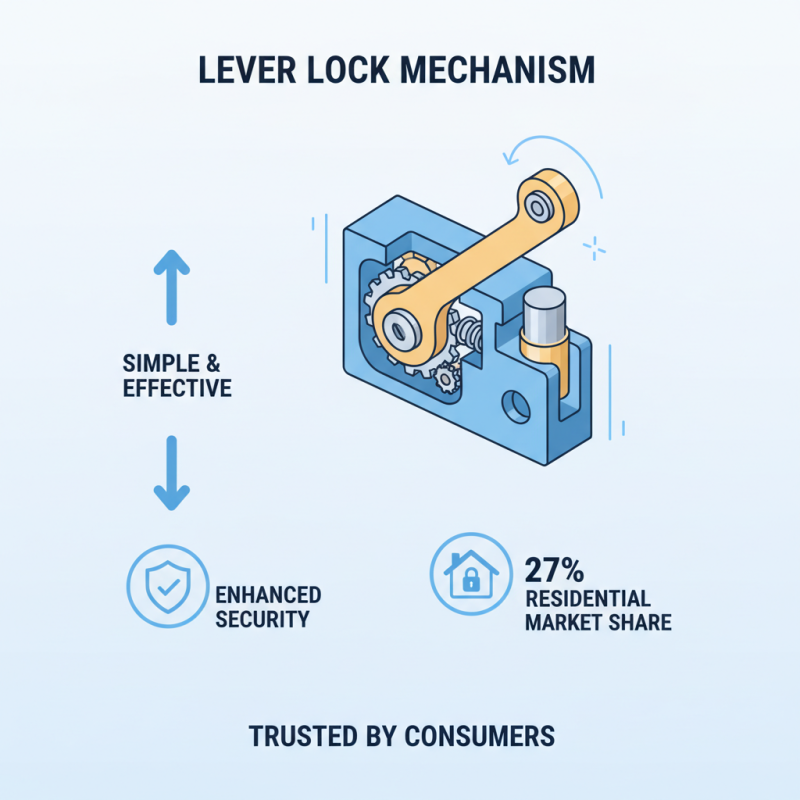
Lever locks have gained popularity due to their simple yet effective mechanism. They operate with a lever that rotates, lifting a bolt from the lock body. This straightforward design enhances security while making the locking process intuitive. In fact, recent reports estimate that lever locks account for about 27% of the residential lock market. This shows their widespread use and trustworthiness among consumers.
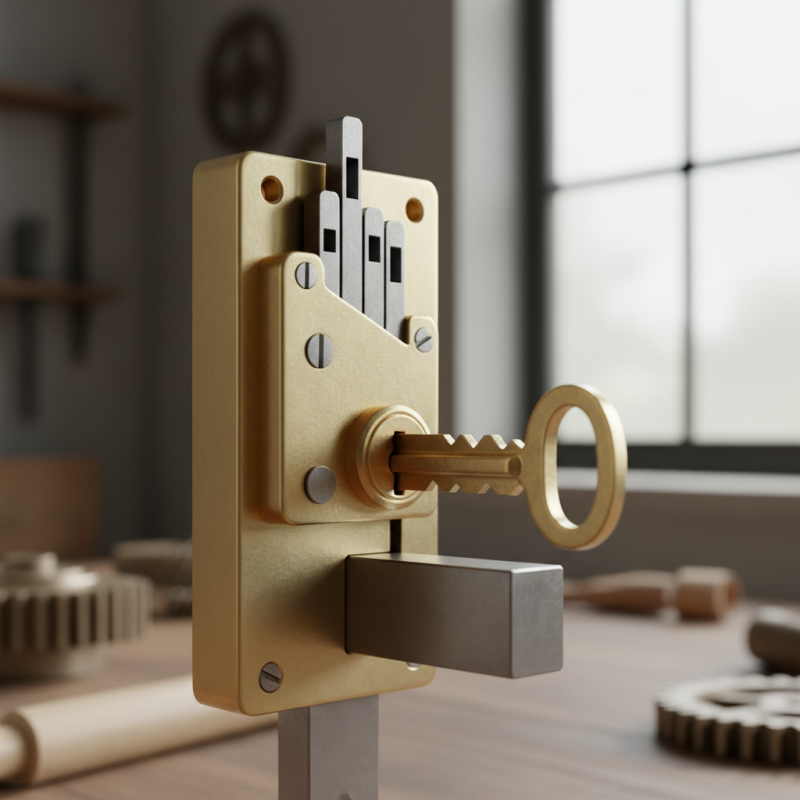
The basic mechanism involves a series of levers arranged inside the lock. Each lever must align to allow the bolt to retract. If the correct key is inserted, it raises the levers to the proper height. However, if an incorrect key is used, the levers do not align, preventing access. Critics point out that while lever locks are robust, they can be vulnerable to certain manipulation techniques. They stress the importance of regular maintenance to avoid wear and tear that might compromise security.
In terms of practicality, these locks can be installed in various settings including doors and cabinets. Many users appreciate the ease of installation and operation. Nonetheless, there's a caveat. Over time, dirt and debris can affect the levers’ movement, leading to potential lock failure. Regular cleaning and inspection can help mitigate these risks, but often, users overlook this essential maintenance step.
Advantages of Using Lever Locks
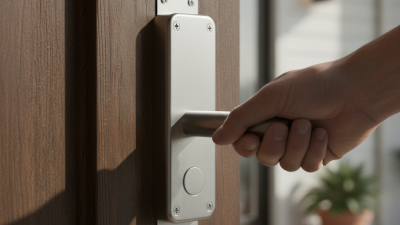
Lever locks offer several advantages that make them a popular choice for securing doors. One major benefit is ease of use. Unlike traditional key locks, lever locks require simple pushing or pulling actions. This feature is particularly beneficial for individuals with limited dexterity. A quick motion can open the door without struggling with a key.
Another advantage of lever locks is their enhanced security. They often feature robust mechanisms that are hard to pick. The design allows for a stronger connection between the bolt and the doorframe. It's important to remember that not all lever locks are created equal. Some may have vulnerabilities. Regularly assessing their condition is essential to ensure ongoing security.
Lever locks also provide versatility. They come in various styles and finishes, suitable for different environments. From modern homes to classic buildings, there is a lever lock that fits the aesthetic. However, aesthetic appeal should not compromise security. Balancing design with strength is critical.
Common Applications of Lever Locks
Lever locks are versatile locking mechanisms used in various applications. Their design allows for easy operation while providing reliable security. One common application of lever locks is in residential settings. You will often find them on doors leading to garages or side entries. They offer a combination of safety and convenience.
Another area where lever locks thrive is in commercial properties. They are frequently used for office doors and storage rooms. The smooth action of the lever makes it simple for employees to use while ensuring that unauthorized personnel are kept out. Businesses can benefit from quick access and strong security features.
In schools and public buildings, lever locks are often preferred for accessibility. They can be operated easily by individuals with limited strength or mobility. The design also accommodates panic situations, allowing for faster exits. However, the simplicity of lever locks may lead to concerns about their strength in high-risk areas. Regular checks are necessary to ensure optimal functionality and security.
Common Applications of Lever Locks

 Rod lock