Leave Your Message

7 Hinge Lock Buying Tips for Global Buyers?

A Hinge Lock can look simple on a catalog page. In use, small details matter: door thickness, hinge spacing, finish, and the feel of the latch. A lock that fits one cabinet or access panel may not suit another. Global buyers should compare measurements and operating conditions, not rely on product photos alone.

This guide introduces seven practical buying tips, from checking materials and dimensions to reviewing supplier consistency and sample quality. Ask for clear drawings. Confirm how the lock is installed and opened. Test a sample on the intended door, if possible. These steps can prevent frustrating surprises, though they cannot replace careful inspection of the final shipment.

Expert insight matters. However, no verified Hinge Lock expert quotation or source was provided for this draft, so I will not invent a name or quote. That detail should be added only after confirming the expert’s identity and exact words. A useful reminder remains: the best choice depends on the door, the setting, and the user. Simple, but easy to overlook. Buyers may also need to revisit assumptions after testing; a specification sheet rarely captures every real-world fit issue.
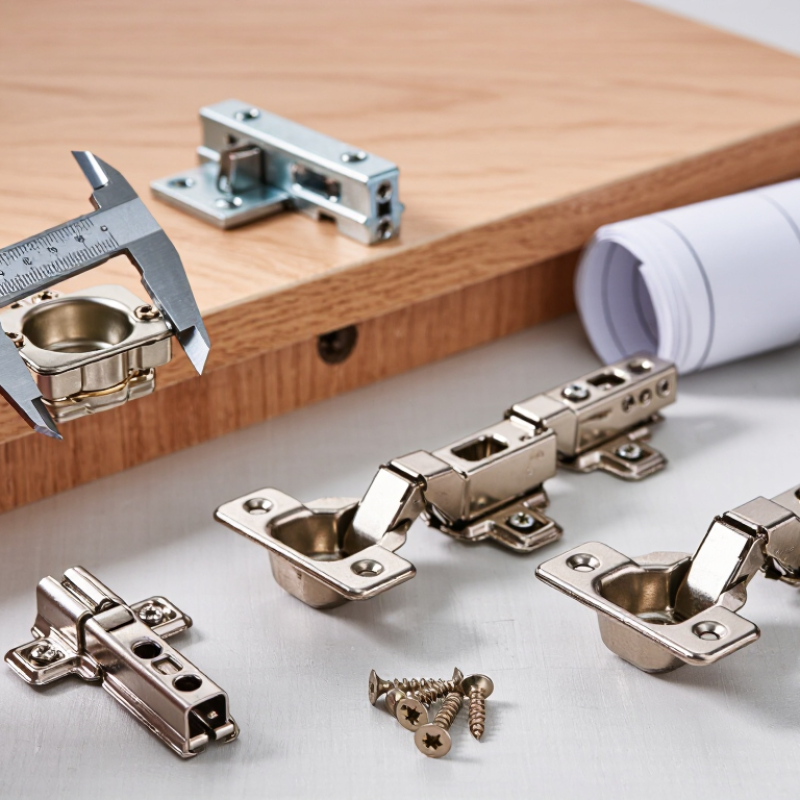
7 Hinge Lock Buying Tips for Global Buyers?

Identify the Hinge-Lock Type and Match It to the Door’s Intended Use

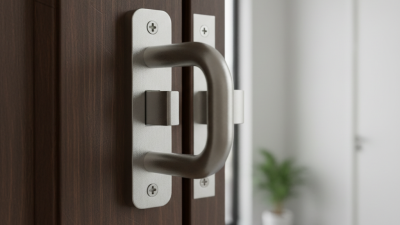
A hinge-side locking device is not the same as a mortise, cylindrical, or multipoint lock. Identify how the mechanism engages, then match it to the door’s job. A busy office entrance may need a durable, key-operated lockset; a bedroom may need simple privacy hardware; a tall exterior door may benefit from multipoint engagement. Check door material, thickness, handing, and frame clearance before ordering. A small mismatch can leave the latch rubbing or prevent the door from closing fully. It happens.

For cylindrical locksets, ANSI/BHMA A156.2 grades performance and includes cycle-endurance testing; Grade 1 testing uses a one-million-cycle benchmark. That figure can help buyers compare expected duty, but it does not guarantee a specific service life. Ask for current certification and test documentation.

For fire-door assemblies, NFPA 80 calls for inspection at least annually, so select compatible hardware and keep inspection access in mind.

Not every “heavy-duty” label means the same thing. In practice, buyers should confirm the lock type, door function, and required rating with the hardware schedule or a qualified door professional before approving samples.

A sample fitted to the actual door is often worth the extra check.
Compare Hinge Durability: EN 1935 Grades 3, 4, and 7 Test 10,000–200,000 Cycles

For global buyers, hinge durability is more than a catalogue number. EN 1935:2002 classifies single-axis hinges by performance, including durability. Its test levels include Grade 3 at 10,000 cycles, Grade 4 at 25,000, and Grade 7 at 200,000. That gap matters on a busy corridor door, where repeated opening can quickly expose loose pins or sagging leaves. But a cycle rating is not a service-life guarantee.

The figures come from the EN 1935 test framework, published by the European Committee for Standardization (CEN). A cycle represents opening and closing under controlled test conditions; it does not reproduce every door’s weight, alignment, slam force, or maintenance. Grade 3 may suit lighter-duty applications. Grade 4 provides a higher tested threshold, while Grade 7 is intended for demanding use. Check the tested hinge configuration, not just the grade printed on a sales sheet.

Look closely at the details. A heavy fire-door leaf, for example, can place extra strain on hinges if its size or installation is wrong. Verify the door mass and dimensions against the manufacturer’s declared test scope, then confirm fixing type and material compatibility. Ask for the EN 1935 classification and supporting test documentation. Small warning: the highest grade is not automatically the best choice. I would compare the real duty cycle and installation conditions first; test numbers alone can make a decision look simpler than it is.

Check Corrosion Resistance: EN 1670 Grades 1–5 Cover 24–480 Hours of Salt Spray

For global buyers, EN 1670 gives hinge corrosion resistance a practical reference point. The standard defines five grades, tested using neutral salt spray under EN ISO 9227. Grade 1 represents 24 hours; Grade 2, 48; Grade 3, 96; Grade 4, 240; and Grade 5, 480 hours. These are laboratory exposure periods, not promised service lifetimes. That distinction matters. A Grade 5 result does not mean a hinge will last 480 hours outdoors before rusting.

Match the grade to the site. A dry interior door may not need the same protection as a coastal gate exposed to salt, rain, and damp air. Look closely at the hinge pin, knuckles, edges, and fixing holes; coating damage in these spots can become visible first. Still, the grade alone is not the whole story. The 2013 IMPACT study by NACE International estimated corrosion costs at US$2.5 trillion globally, or 3.4% of world GDP. Ask suppliers for test reports covering the finished hinge, not just a coating sample. Salt spray is useful, but real weather varies—and test results cannot capture every installation flaw.

7 Hinge Lock Buying Tips for Global Buyers? - Check Corrosion Resistance: EN 1670 Grades 1–5 Cover 24–480 Hours of Salt Spray

Tip What to Check Data and Buying Guidance
1 Corrosion resistance Ask for the EN 1670 corrosion-resistance grade and supporting test documentation. The standard’s grades correspond to the following neutral salt-spray exposure periods:
EN 1670 Grade Salt-Spray Exposure General Selection Context
Grade 124 hoursLower corrosion-resistance requirement
Grade 248 hoursModerate corrosion-resistance requirement
Grade 396 hoursHigher corrosion-resistance requirement
Grade 4240 hoursVery high corrosion-resistance requirement
Grade 5480 hoursHighest grade in this EN 1670 classification

Salt-spray hours are laboratory test exposure periods, not a direct prediction of years of service in a particular environment. Confirm the tested product, finish, test method, and acceptance criteria.

2 Intended environment Match the specified corrosion grade and finish to the installation conditions. Indoor dry locations, frequently damp areas, and coastal or salt-exposed locations impose different corrosion demands. Check whether the test report covers the complete assembled product, including fasteners and exposed edges.
3 Load capacity Compare the stated load rating with the door or panel weight, size, thickness, and number of hinges. Ask whether the rating applies per hinge or to a tested hinge set, and check the manufacturer’s installation and load-distribution conditions before sizing the hardware.
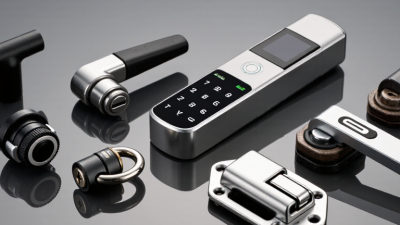
4 Locking function and security Confirm whether the lock is intended for access control, panel retention, or another specific function. Review the locking method, operating direction, keying or release requirements, and any applicable security-test evidence. Do not treat a corrosion grade as a security rating.
5 Material and finish Request the base-material specification and finish description, including any coating or plating system. Check compatibility with the installation environment and with dissimilar metals in contact, since moisture and galvanic coupling can contribute to corrosion.
6 Dimensions and installation Verify hinge size, leaf thickness, pin or pivot arrangement, hole pattern, door clearance, and required fixing hardware against the project drawing. Confirm that the product can be installed in the required orientation and that adjustment or maintenance access is available.
7 Documentation and shipment Before ordering, request a dimensioned drawing, material and finish details, load information, installation instructions, and relevant test reports. For international shipments, confirm the agreed product specification, quantity, packaging, delivery terms, and any destination-market documentation requirements.

Verify Lock Security, Material, Dimensions, and Compatibility with the Door

Before comparing hinge locks, define the threat the device is designed to resist. A door stop may limit opening, while an anti-lift feature can help prevent removal from the hinge side. These are different functions. Check for fixed pins, security studs, or other locking points, then request installation instructions and test information. Claims alone need proof.

Material affects strength and service life. Stainless steel can resist corrosion, but grade, thickness, finish, and exposure conditions all matter. Ask for material details rather than relying on a polished surface. Inspect edges and moving parts for rough spots or loose play. Small flaws matter.

Measure the door thickness, hinge dimensions, pin diameter, and clearance between the door and frame. Compare them with the lock’s stated fit range. Also check door handing, hinge spacing, and whether the lock obstructs normal opening. A measurement can be off by a few millimeters, especially on older doors. Verify it twice, then test-fit one unit before ordering in quantity. Compatibility on paper is not always compatibility on the door.

Confirm Certification, Installation Requirements, Warranty, and Local Market Compliance

Before placing a bulk order, match the certificate to the exact hinge model and intended use. A document for a similar-looking product may not cover its material, load rating, or finish. Ask for current test reports and confirm who issued them. Keep the evidence. It can save time during buyer reviews, though it does not guarantee acceptance in every market.

Installation details matter just as much. Check door thickness, frame material, hinge spacing, screw size, and required tools against the supplier’s instructions. A hinge rated for a heavy door can still fail if the frame or fasteners are unsuitable. Small mismatch, big problem. Request a sample or installation drawing when measurements are unclear. Also confirm warranty length, covered defects, claim steps, and exclusions for corrosion or incorrect installation. Then check local requirements for product marking, fire-rated assemblies, accessibility, and import documents with the relevant local authority or a qualified compliance adviser. Rules can vary by application and location. This part is easy to underestimate; I would not rely on a general sales statement alone. Make sure the final paperwork names the product being shipped.

7 Hinge Lock Buying Tips for Global Buyers

Confirm certification, installation requirements, warranty, and local market compliance before placing an order.

How to use this chart: These suggested planning weights total 100% and are a prioritization framework, not survey results or a regulatory standard. Verify applicable certifications and market requirements with the relevant authorities or qualified testing bodies.