What Are Flat Locks and How Do They Work?
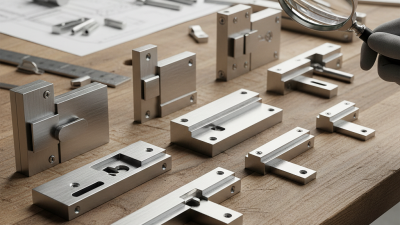
Flat Locks are compact mechanical locks designed for cabinets, lockers, mailboxes, drawers, and other narrow panels. Their slim bodies sit behind a flat surface, while a key, cam, or rotating lever controls the locking action. Inside, the plug turns only when the key aligns the internal pins or wafers. A small rotation then moves the cam behind the panel. Simple movement. Precise tolerances.
Industry data shows why this modest hardware still deserves careful study. The MarketsandMarkets 2024 Smart Lock Market report projects growth from approximately $2.3 billion in 2024 to $4.4 billion by 2029. That report focuses on connected systems, not traditional Flat Locks, but it highlights rising attention toward access control. ASSA ABLOY’s annual reporting also emphasizes security, convenience, and lifecycle performance across locking products. These priorities apply to basic cabinet locks, too.
Security researcher Marc Weber Tobias has stated, “There is no such thing as an unpickable lock.” That warning matters here. Flat Locks can discourage casual access, yet their protection depends on material thickness, key control, installation, and the surrounding panel. A strong lock mounted in thin sheet metal may still fail. That detail is easy to overlook.
This guide explains what Flat Locks are, how their internal parts work, and where their practical limits appear. It will also compare wafer and pin mechanisms, examine cam movement, and discuss maintenance. The explanation is not perfect; lock security changes with design, use, and attack methods. Real-world inspection remains essential.
What Are Flat Locks and Where Are They Used?
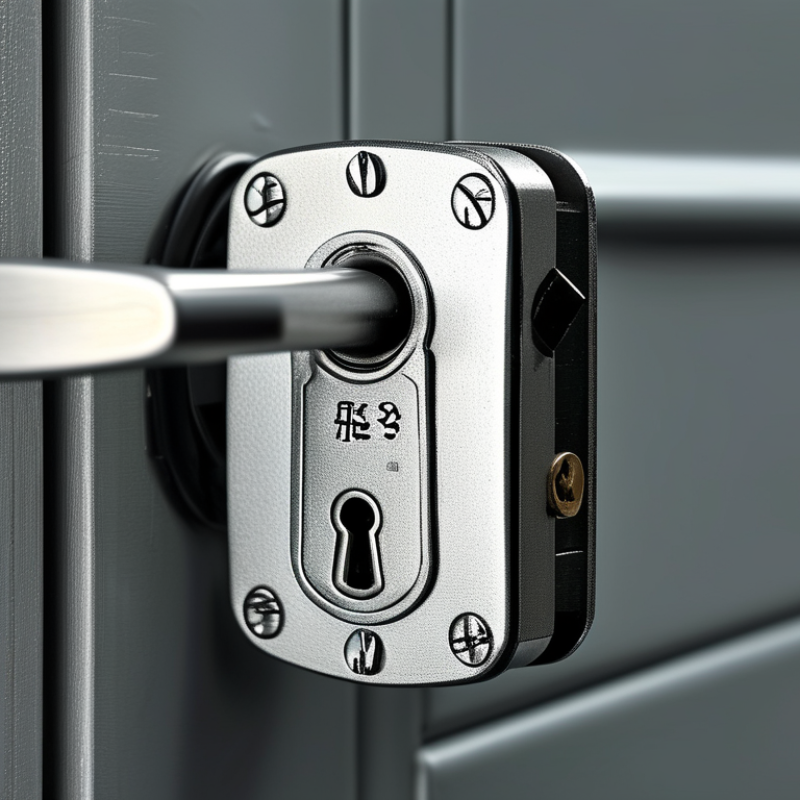
Flat locks are low-profile locking devices used to secure intermodal containers. They usually sit inside a recessed pocket, leaving a nearly level surface when open. A rotating head enters the container’s corner casting, then turns to hold it firmly in place. The mechanism is simple, but alignment matters.
These locks are used on container ships, rail wagons, chassis, trailers, and port handling platforms. They are especially useful where workers need a clear deck without raised hardware. UNCTAD’s Review of Maritime Transport 2023 states that more than 80% of global merchandise trade by volume moves by sea. That scale makes reliable container securing essential. The IMO/ILO/UNECE Code of Practice for Packing Cargo Transport Units also stresses correct restraint, inspection, and load distribution.
Flat locks are common around container corner fittings, which follow ISO 1161 dimensions. Operators check corrosion, free movement, locking position, and visible damage before loading. A dry click is reassuring. It is not proof of safety. Dirt can hide incomplete engagement, while a bent fitting may prevent full contact. Terminology also varies between manufacturers and regions, so “flat lock” should be confirmed against the equipment drawing. This is where practice can become imperfect: a device that looks flush may still be incorrectly locked. Supervisors should verify each corner, record defects, and follow the approved cargo-securing manual.
The Main Parts and Design Features of a Flat Lock
What Are Flat Locks and How Do They Work?
A flat lock machine joins fabric edges with a low-profile seam. The finished stitches lie almost level with the material. This reduces rubbing against skin, especially in sportswear and underwear. Its main parts include needles, loopers, a spreader, thread guides, and differential feed dogs. Needles form parallel stitch rows on the surface. Loopers carry thread beneath the fabric. The spreader helps open or position the seam during formation. Differential feed controls fabric movement and limits unwanted stretching.
Design details matter. A wider stitch creates a more visible decorative effect. A narrower setting usually suits lightweight knits. Many machines also allow the upper thread to be tightened for a raised seam. That adjustment changes comfort and appearance.
According to Grand View Research, the global activewear market reached about 412.9 billion dollars in 2023. This growth increases demand for flexible, low-abrasion seams. Textile Exchange reported that polyester represented roughly 59% of global fiber production in 2023. Synthetic fabrics can feed smoothly, but heat and tension still require care.
Tips: Test the fabric first. Use matching thread, balanced tension, and a fresh needle. Watch the differential feed closely. A flat lock may look simple, but small settings change the seam quickly. In my experience, “flat” is not always perfectly flat. Bulky fabric, uneven feeding, or excessive tension can leave ridges. That limitation deserves attention.
How a Flat Lock Secures a Door or Container
What Are Flat Locks and How Do They Work?
A flat lock uses a low-profile body to secure a door, cabinet, hatch, or storage container. Its slim shape sits close to the surface, leaving little hardware exposed. Inside, a key or thumb turn moves a bolt, cam, or sliding plate. When locked, this part enters a receiver mounted on the frame. The door then stays closed because the lock resists pulling and sideways movement.
A flat lock works best when both parts align precisely. A small gap can weaken engagement and create rattling. During installation, measure the door thickness, receiver position, and available clearance. Use firm fasteners and check that the bolt moves smoothly without force. In practical inspections, loose mounting screws are a common weakness. The lock may look secure, but the surrounding material can fail first. That detail is easy to miss.
Tips:
Keep the mechanism clean and lightly lubricated when appropriate. Do not force a stiff key. Inspect the receiver for bending, worn edges, or shifted screws. For outdoor containers, choose corrosion-resistant hardware and check it after severe weather. A flat lock improves control, but it cannot replace a strong door, frame, or container wall. That limitation matters.
Advantages, Limitations, and Common Applications of Flat Locks
What Are Flat Locks and How Do They Work?
Flat locks are low-profile mechanical locks designed for places with limited space. They usually contain a key cylinder, a rotating cam, and a mounting plate. When the key turns, the cam moves behind a frame or into a receiving slot. This action holds a panel, door, drawer, or enclosure closed. Some models use a sliding bolt instead of a cam.
Their slim shape is the main advantage. Flat locks fit neatly into metal cabinets, office drawers, tool boxes, display cases, and electrical enclosures. They also create a cleaner surface than bulky padlocks or exposed latches. A properly installed lock can reduce accidental opening during vibration.
However, a flat lock is not automatically highly secure. Thin panels may bend, and short cams may not engage deeply enough. Dust, poor alignment, or a worn key can also cause failure. In practical installations, measuring the panel thickness and cam reach matters more than appearance. I have found that small fitting errors create surprisingly stubborn problems.
Tips: Check the lock body, key rotation, and cam position before tightening the retaining nut. Test the lock with the door open first. Keep the keyway covered in dusty areas. Do not force a stiff key; the internal parts may already be misaligned. For valuable equipment, combine a flat lock with a stronger enclosure and controlled access. That approach is less elegant, perhaps, but usually more dependable.

 Rod lock