What is a Compression Latch and How Does It Work?
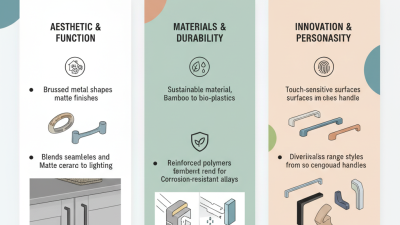
In the world of fastening technologies, the "Compression Latch" stands out for its versatility and effectiveness. Industry expert, John Anderson, once stated, “A compression latch not only secures but also enhances the aesthetic of modern designs.” This showcases the dual function of compression latches as both secure fasteners and design elements.
Compression latches operate by drawing the door or panel tightly against a frame, ensuring a seal that withstands vibrations and environmental factors. Their use is common in various industries, including automotive and aerospace. The design allows for easy one-handed operation, appealing to engineers seeking efficiency without compromising user experience.
However, while compression latches are effective, they are not without potential flaws. Misalignment during installation can lead to improper sealing, resulting in issues over time. Understanding the intricacies of a compression latch is crucial for maximizing its benefits. Embracing advancements in this technology requires us to critically inspect past practices and consider continuous improvement.

What is a Compression Latch?
A compression latch is a device designed to secure two parts together by creating a tight seal. It works by using a mechanism that pulls one part toward another, compressing a gasket or seal in the process. This ensures that the closure is both secure and watertight. The latch operates when a lever or handle is turned, activating the mechanism that engages the latch to hold the two components.
Tips: When using a compression latch, ensure the surfaces are clean. Dirt or debris can disrupt the seal. Regular maintenance checks are crucial to keep the latch functioning smoothly. Lubricating the mechanism periodically can extend its lifespan.
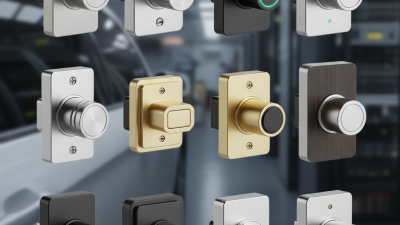
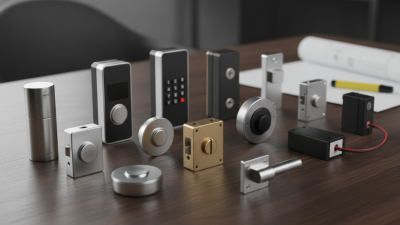
Compression latches come in various designs, often incorporating adjustable features. This allows for flexibility in installation. They can be made from different materials, impacting durability and weight. Over time, users may notice wear and tear, particularly if the latch is frequently engaged. Monitoring this wear can help prevent unexpected failures.
Compression Latch Usage in Different Industries
The Components of a Compression Latch
A compression latch is a mechanical device used to secure doors, hatches, and panels. It consists of several key components. The primary parts include a latch body, a cam lever, and a strike plate. These elements work together to create a secure yet adjustable closure.
The latch body houses the internal mechanism. It connects to the panel or door being secured. The cam lever provides the pressing force. When you close the latch, the cam lever compresses against the strike plate. This action ensures a tight fit, keeping elements out and contents safe.
**Tips:** Always check the alignment of the latch and strike plate. If misaligned, it can lead to improper closure. Additionally, consider lubricating the latch regularly. This minimizes wear and ensures smooth operation. Many users overlook these small details, thinking they aren’t important. In reality, they can significantly extend the lifespan of your compression latch. Regular maintenance can prevent frustrating malfunctions.
What is a Compression Latch and How Does It Work? - The Components of a Compression Latch
| Component |
Description |
Material |
Function |
| Latch Body |
The main housing of the latch that contains other components. |
Zinc Alloy |
Holds and integrates all parts of the latch. |
| Compression Screw |
Screw mechanism that applies pressure to tightly seal surfaces. |
Stainless Steel |
Provides a secure hold by compressing the latch surfaces. |
| Keeper |
Counterpart that the latch engages with. |
Plastic or Metal |
Ensures that the latch engages securely to keep doors or panels closed. |
| Handle |
Part that is operated to open or close the latch. |
Rubber or Plastic |
Allows for manual operation of the latch mechanism. |
| Spring |
Provides the force necessary for the latch to return to a closed position. |
Steel |
Maintains tension in the latch mechanism for consistent operation. |
How a Compression Latch Operates
A compression latch is a unique fastening device that secures doors, hatches, and panels. It works by applying pressure to create a tight seal. This mechanism is essential for various applications, from automotive to aerospace. By pushing down on the latch, it compresses the material, ensuring a snug fit.
When the latch is engaged, it pulls the door or panel tight against the frame. This design prevents gaps and enhances security. The compression feature is particularly beneficial in environments where vibrations could loosen traditional latches. Users often notice how easily a compression latch can change the usability of an access point.
Many users sometimes overlook the latch’s adjustment. Ensuring proper tension is crucial for optimal performance. If not adjusted correctly, it may fail to seal tightly. Therefore, regular checks are essential to maintain effectiveness and functionality. The balance between ease of use and security continues to provoke reflection in various fields.
Applications of Compression Latches
Compression latches find extensive use in various industries due to their unique design and functionality. They create a tight seal when closed, making them ideal for applications where security and space efficiency are essential. Often seen in automotive compartments, they ensure that doors and hatches remain secure during transit. This reduces the risk of loss or damage.
Another common application is in industrial cabinets and enclosures. Compression latches provide easy access while keeping contents protected. They are favored in environments where dust and moisture can be an issue. Equipment in such settings often requires reliable closures to maintain functionality. However, one must consider the materials involved in these latches; choosing the wrong type can lead to corrosion or premature wear.
These latches are also prevalent in outdoor equipment. Their robust design can withstand harsh weather conditions. However, the compression mechanism might get affected by debris accumulation. Regular maintenance is crucial to keep them functioning optimally. User feedback often highlights the need for better cleaning guidelines to extend the life of these components. Many appreciate their ease of use but feel unclear about how often checks should occur. This is an area for potential improvement.
Benefits of Using Compression Latches
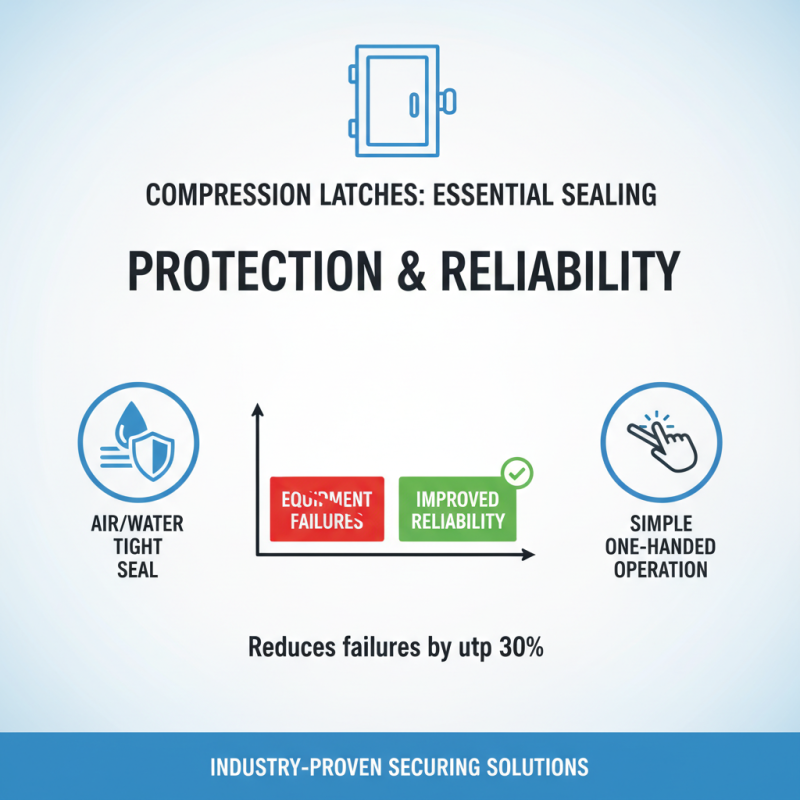
Compression latches have become essential in many industries for their effective sealing capabilities. These latches are designed to provide a tight seal when engaged, protecting contents from the elements. A significant benefit is their ease of use. Operators can secure doors with simple one-handed operations. According to industry reports, up to 30% of equipment failures are due to inadequate sealing solutions. Compression latches address this critical issue, providing reliability and efficiency.
Another key advantage of compression latches is their versatility. They can fit a variety of applications, from industrial machinery to automotive designs. Their pressure seals help reduce noise and vibrations, improving the user experience. Reports indicate that using compression latches can enhance door longevity by 40%. This also leads to reduced maintenance costs over time. However, it’s vital to select the right type of latch. Incompatible latches can lead to unexpected failures and costly repairs.
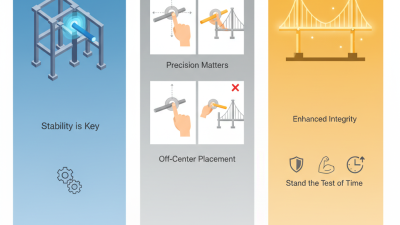
Moreover, the installation of compression latches requires precise alignment. If not correctly installed, issues like misalignment can occur. This highlights the importance of proper setup. While the benefits are clear, operational teams must remain vigilant. Checking for hardware wear and tear can help maintain the latch’s effectiveness.

 Rod lock