How to Choose the Right Compression Latch for Your Project?
In the realm of industrial design, selecting the correct Compression Latch is crucial. John Smith, a leading expert in fastening technology, states, "Choosing the right latch can make or break your project." This emphasizes the importance of a thoughtful selection process.
Compression Latches are essential for ensuring secure closures in various applications. They come in different materials and styles, making the choice overwhelming. One must consider factors like durability, environmental conditions, and ease of use. Each project presents unique challenges, and reevaluating past decisions can uncover key insights.
Yet, it’s easy to overlook finer details. For instance, a robust latch might fail if metal choices are not compatible. Balancing aesthetics with functionality can result in compromise. Ultimately, the decision-making process requires careful contemplation of both immediate needs and future implications.
Understanding Compression Latches and Their Applications
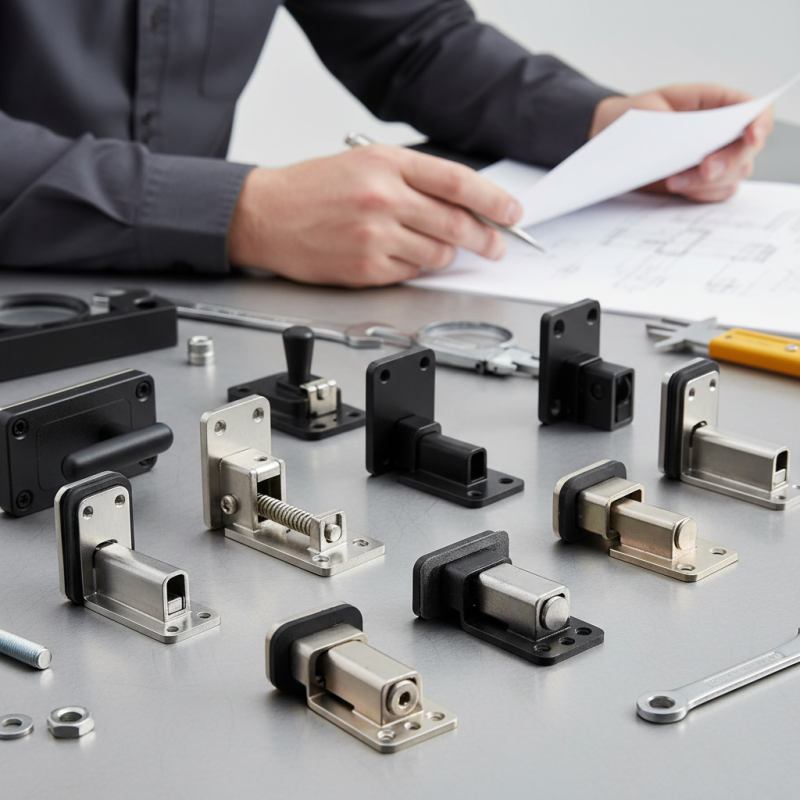
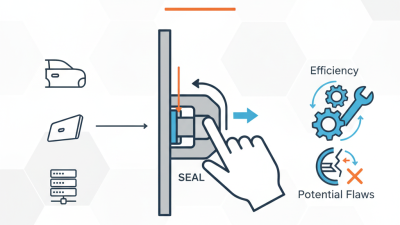
Compression latches are versatile mechanisms found in various applications. Their primary role is to secure doors, lids, and panels tightly. Used in industries like automotive, aerospace, and electronics, these latches provide excellent sealing properties. They ensure protection against dust, moisture, and vibrations. Choosing the right latch can be tricky, as every project has unique requirements.
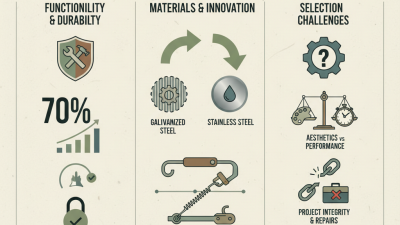
When selecting a compression latch, consider its material and finish. Stainless steel offers durability, while plastic is lightweight and corrosion-resistant. The size of the latch plays a crucial role as well. A too-small latch may fail, while an oversized one can be cumbersome. Take the time to assess your project’s specific needs. Sometimes, what seems perfect at first turns out to be inadequate later.
The installation process may also present challenges. Misalignment can occur, affecting the latching function. Ensure precise measurements before installation. Additionally, consider the latch's operation ease. While some designs may look appealing, they could be hard to use in practice. Striking the right balance between aesthetics and functionality requires careful thought and planning.
Compression Latch Application Comparison
This bar chart illustrates the distribution of compression latch applications across various industries. Aerospace takes the lead with 40%, followed by automotive at 25%. Marine, industrial, and consumer products make up the remaining portion of the applications, highlighting the versatility and importance of compression latches in different sectors.
Key Factors to Consider When Selecting a Compression Latch
Choosing the right compression latch can be challenging. Several key factors come into play when making this decision. One important factor is the latch's intended environment. Is it indoors or outdoors? Harsh weather can affect performance. Consider how moisture, dust, or heat could impact the latch's durability.
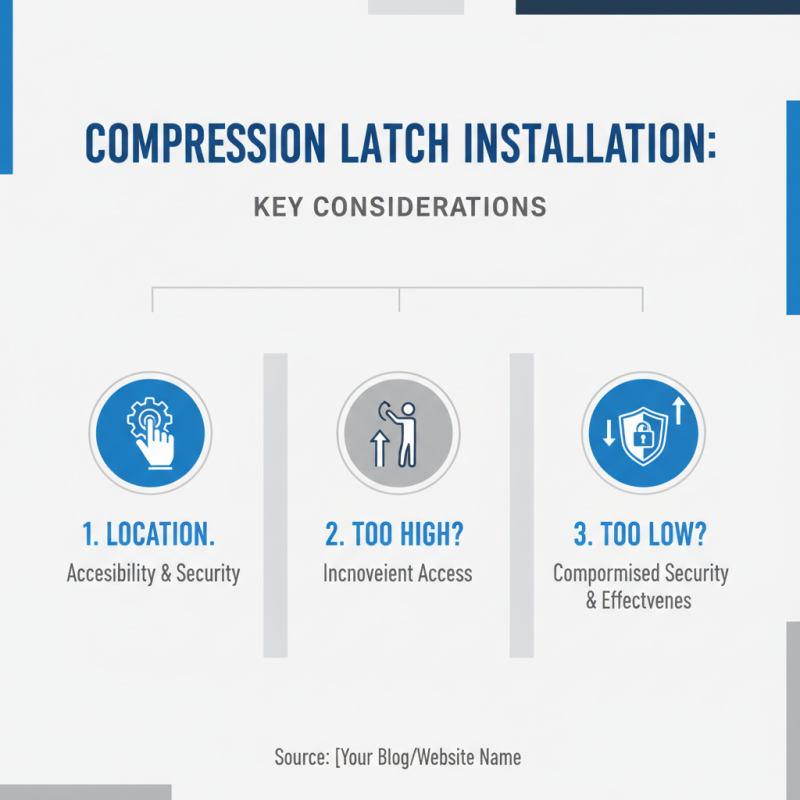
Another vital aspect is the latch's size and design. Measure the space where it will be installed. A latch that’s too large may not fit well. On the other hand, a small latch might not provide adequate security. Assess your project’s requirements carefully. A well-fitted latch enhances functionality.
Material is also crucial. Different materials offer varying levels of strength and corrosion resistance. Stainless steel can resist rust but may be heavier. Plastic latches are lighter but might not provide the same level of security. Reflect on what fits your project best. Sometimes, it's a matter of trade-offs and priorities.
Different Types of Compression Latches and Their Features
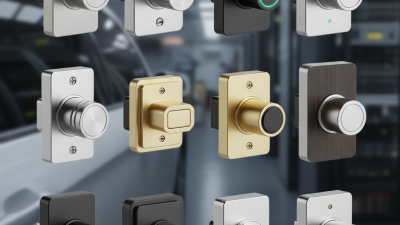
When selecting a compression latch, understanding the different types available is crucial. Compression latches come in several designs. Each type serves a unique purpose based on your project’s needs.
For example, the draw latch is versatile. It's ideal for applications requiring a tight seal. Another option is the quarter-turn latch. This type allows quick access and is user-friendly. It is often seen in cabinets and enclosures. There are also push-to-close latches, offering a simple solution for secure closures.
Tips: Consider the material of the latch. Stainless steel offers durability, while plastic might work for lighter applications. Also, think about weather resistance, especially for outdoor projects. Ensure you choose a size that fits the space well. Testing a few options can help in making the right choice.
However, it’s common to overlook minor details. Sometimes, a latch seems perfect but doesn’t align properly. Before finalizing, test the latch multiple times. Every project is unique, and finding the right fit can take time. Don't rush the process. Doing so may save you from future headaches.
How to Choose the Right Compression Latch for Your Project?
| Type of Compression Latch |
Material |
Finish |
Weather Resistance |
Best Applications |
| Pawl Latch |
Stainless Steel |
Zinc Plated |
Moderate |
Industrial Cabinets |
| Compression Locking Latch |
Aluminum |
Anodized |
High |
Secure Storage Solutions |
| Quarter-Turn Latch |
Polymer |
None |
Low |
Lightweight Enclosures |
| Push-to-Close Latch |
Steel |
Chrome Plated |
Moderate |
Vehicle Storage |
| Ratchet Latch |
Zinc Alloy |
Polished |
High |
Heavy Machinery |
Maintaining and Troubleshooting Compression Latches
Troubleshooting compression latches can be tricky. Regular maintenance is key to their longevity and performance. Check for dirt and debris that might accumulate. Even small particles can affect functionality. Clean the latch mechanism periodically for smooth operation.
Sometimes, the latch may not engage properly. This can be due to misalignment or wear. Make sure the latch is securely installed. If it's loose, tighten the screws. If misalignment persists, adjust the mounting position.
**Tips:** Keep a small tool kit handy. Having tools ready makes repairs easier. Always test the latch after adjustments. This ensures reliability in real-world situations. If wear is evident, consider replacing the latch. Waiting too long may lead to bigger issues.

 Rod lock