How to Choose the Best Locking Hardware for Security?
Choosing the right locking hardware is crucial for your security. With so many options available, it can be overwhelming. Effective locking hardware safeguards your property. Inadequate choices may lead to vulnerabilities.
Consider your specific needs. Are you securing a home, office, or safe? Different environments require different solutions. For instance, residential locks should offer convenience and reliability. Commercial locking hardware often demands higher security standards.
Research is vital. Look for trusted brands and reviews. Experts recommend locks with multiple security features. Deadbolts, keyless entry systems, and smart locks are worth exploring. Investing in quality locking hardware can provide peace of mind and enhance security at home or at work. Always reflect on the areas that may need improvement. Your safety is worth the effort.
Understanding Different Types of Locking Hardware Available in the Market
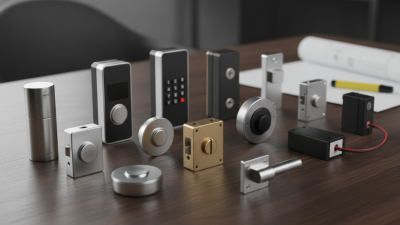
When selecting locking hardware, it’s essential to understand the types available. Common options include deadbolts, smart locks, and padlocks. Each type has unique features and benefits. Deadbolts are sturdy and are ideal for doors. Smart locks offer convenience and can be controlled remotely. Padlocks are flexible and widely used for gates or lockers.
Security should always be a priority. Consider the material and construction of the hardware. Heavy-duty materials provide better protection. Look for options that offer resistance to picking and forced entry. Focusing on ease of use is crucial too. Difficult locks might deter intruders but can frustrate users.
Reflect on maintenance as well. Some locking hardware may require regular upkeep. A neglected lock could fail when you need it most. Regularly check for wear and tear to ensure reliability. Whenever possible, consult with a professional for advice on installation and safety standards.
Comparative Analysis of Different Locking Hardware Types
Evaluating Security Levels: What Makes Locking Hardware Secure?
When evaluating locking hardware, security levels can vary significantly. The materials used in locks play a crucial role. High-quality steel components resist tampering and wear. In contrast, weaker metals can easily be broken or cut. The design also matters; deadbolts provide more resistance than standard latch locks. Look for locks with hardened steel inserts, which add to their durability and strength.
Understanding how locking mechanisms function is essential. A good lock should have complex internal mechanisms that are difficult to pick. Look for anti-drill and anti-screw features, as these can deter most intruders. Additionally, think about the installation process. Even the best locks can fail if not installed properly. Seek professional guidance for optimal placement and alignment.
Consider the level of key security as well. Some locks allow for restricted key duplication, adding another layer of protection. However, users often overlook maintenance. A well-maintained lock operates smoothly and remains effective. Regular inspections are wise. Always be aware that no lock is entirely foolproof. Reflecting on vulnerabilities can lead to stronger security measures. Balancing convenience and security may challenge many, but it is crucial to prioritize safety.
Factors to Consider When Choosing Locking Hardware for Your Needs
Choosing the right locking hardware is crucial for security. Several factors come into play when making this decision. The type of lock, its grade, and the material it’s made from are all vital considerations. According to the American National Standards Institute (ANSI), locks are rated from Grade 1 to Grade 3. Grade 1 locks meet higher durability and security standards. Ensuring you select at least a Grade 2 lock can be essential for residential use.
Consider the installation environment too. Outdoor locks should resist weathering while indoor locks need to withstand day-to-day wear and tear. The National Institute of Standards and Technology (NIST) emphasizes the importance of security in both commercial and residential settings. High-security locks often employ advanced technology, such as pick resistance and key control.
A balanced approach is necessary. Overemphasizing security features can lead to complexity in use. Sometimes, the simplest solutions are overlooked. Reflect on your specific needs and usage patterns. These reflections will guide you in selecting the most appropriate locking hardware for effective security.
Assessing the Durability and Quality of Locking Mechanisms
When selecting locking hardware, durability and quality are paramount. A lock must withstand various conditions, including wear and tear. Poorly made locks may fail under stress. Look for materials such as hardened steel or brass, known for their strength. A durable lock should have minimal vulnerabilities to physical attacks. Rust-resistant finishes can significantly enhance longevity.
Beyond materials, the design of the locking mechanism matters. Complex mechanisms can deter unauthorized access. Simpler locks might look appealing but can be easily picked. Be wary of overly intricate designs; they can be cumbersome to use. Testing different options helps in understanding which locks feel sturdy and reliable.
Reflect on the installation of these mechanisms. A poorly installed lock is as good as no lock at all. When assessing quality, read user reviews and expert opinions. Trustworthy sources provide insights into the effectiveness of different locking systems. Ultimately, the right choice comes from a careful balance of durability, design, and real-world user experiences.
How to Choose the Best Locking Hardware for Security? - Assessing the Durability and Quality of Locking Mechanisms
| Lock Type |
Material |
Durability Rating |
Key Features |
Price Range |
| Deadbolt |
Steel |
High |
Pick-resistant, Durable |
$40 - $100 |
| Lever Lock |
Brass |
Medium |
Easy-access, Keyed alike |
$30 - $80 |
| Smart Lock |
Aluminum |
High |
Remote access, Integration |
$100 - $300 |
| Rim Lock |
Stainless Steel |
Medium |
Surface-mounted, Simple installation |
$25 - $70 |
| Mortise Lock |
Bronze |
High |
Robust design, Highly secure |
$70 - $200 |
Installation and Maintenance Tips for Locking Hardware Longevity
When selecting locking hardware, installation and maintenance are critical for ensuring longevity. Regular upkeep can significantly extend the lifespan of your locks. According to industry studies, up to 30% of lock failures are due to poor maintenance practices. Simple steps, like lubricating the locking mechanism, can prevent rust and ensure smoother operation.
Installation should always be performed correctly. Misalignment can lead to operational issues. Reports suggest that improperly installed locks have a failure rate up to 20% higher than those installed correctly. Ensure that all screws are tightened and that the strike plate is aligned with the lock. Using a level during installation can offer precision.
Environmental factors also play a role in the maintenance of locking hardware. Moisture and humidity can lead to corrosion. Inspecting indoor and outdoor locks for signs of wear is essential. If corrosion is detected, it may be time to replace the hardware. Regular inspections can help catch issues early, but neglect can lead to costly replacements. Balancing ease of access with security is important in your choices. Be mindful that sometimes even the best hardware requires proper care to perform at its best.

 Rod lock